Parley Maldives AIR Atoll Project
Cultivating Island waste Solutions to Cut Plastics and Protect Coral Reefs
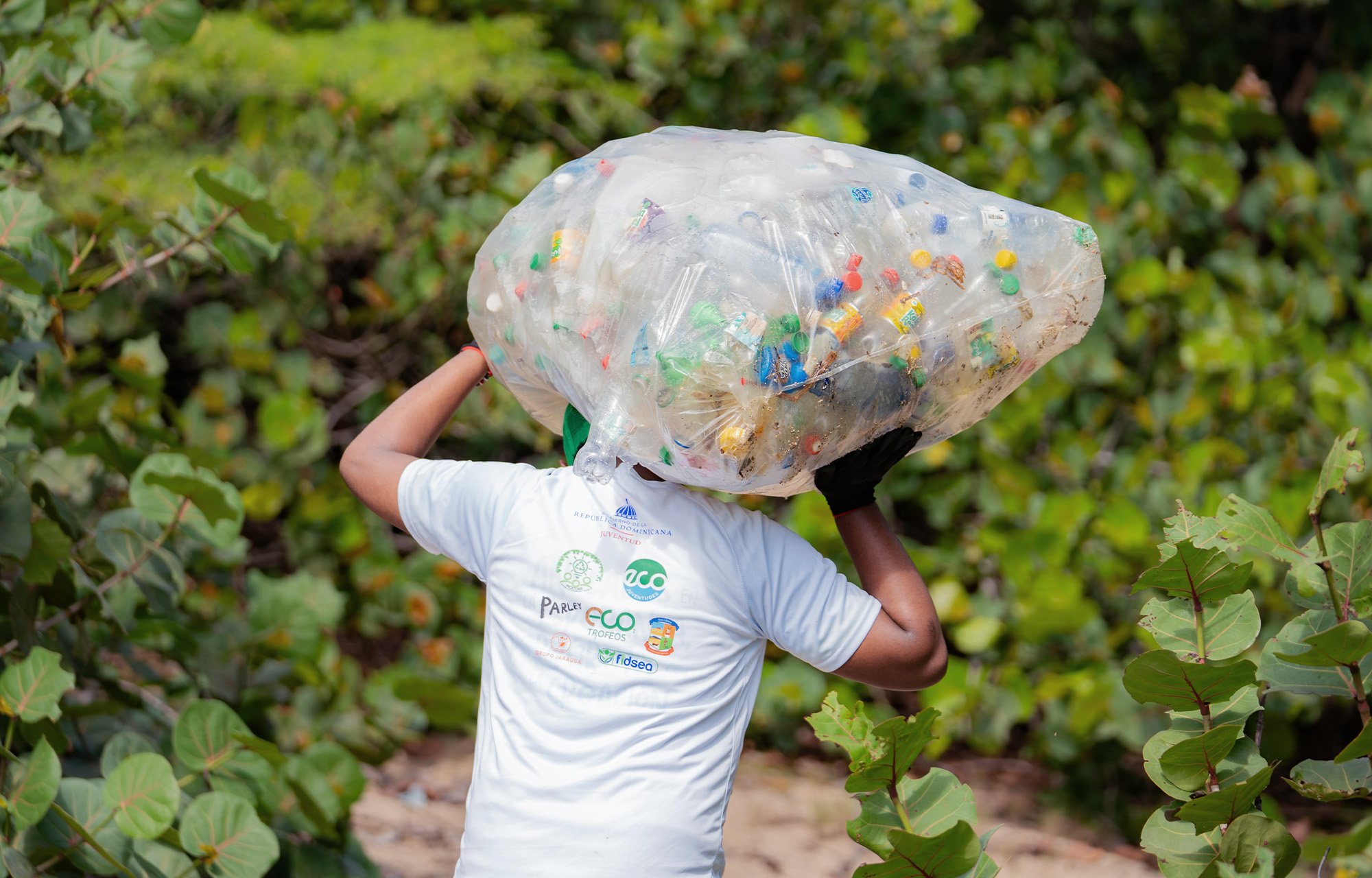
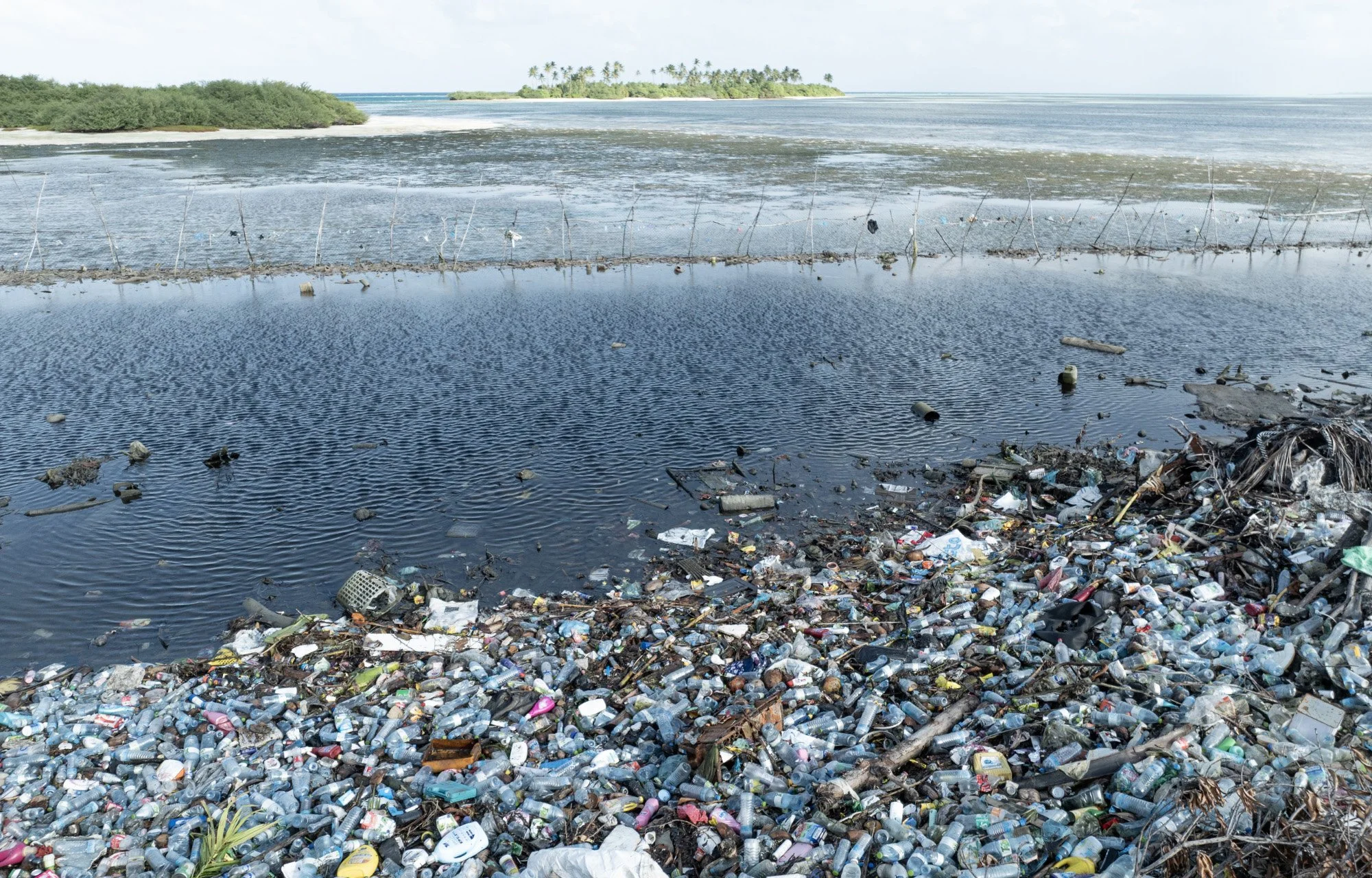
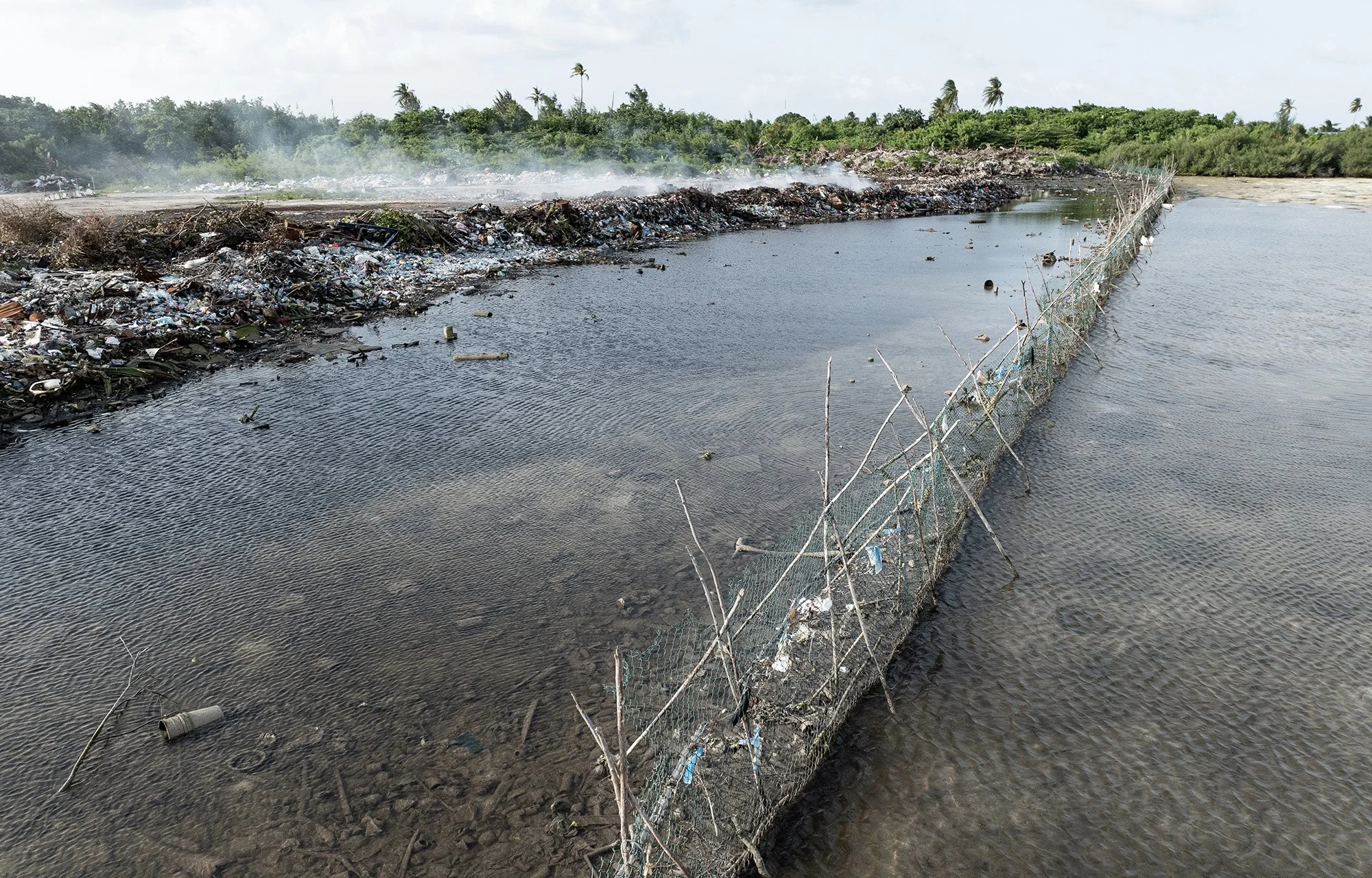
In communities across the Maldivian archipelago, a multilayered Parley Maldives project is harnessing transformative waste management strategies to bolster the future of island farming and protect the health of coral reefs.
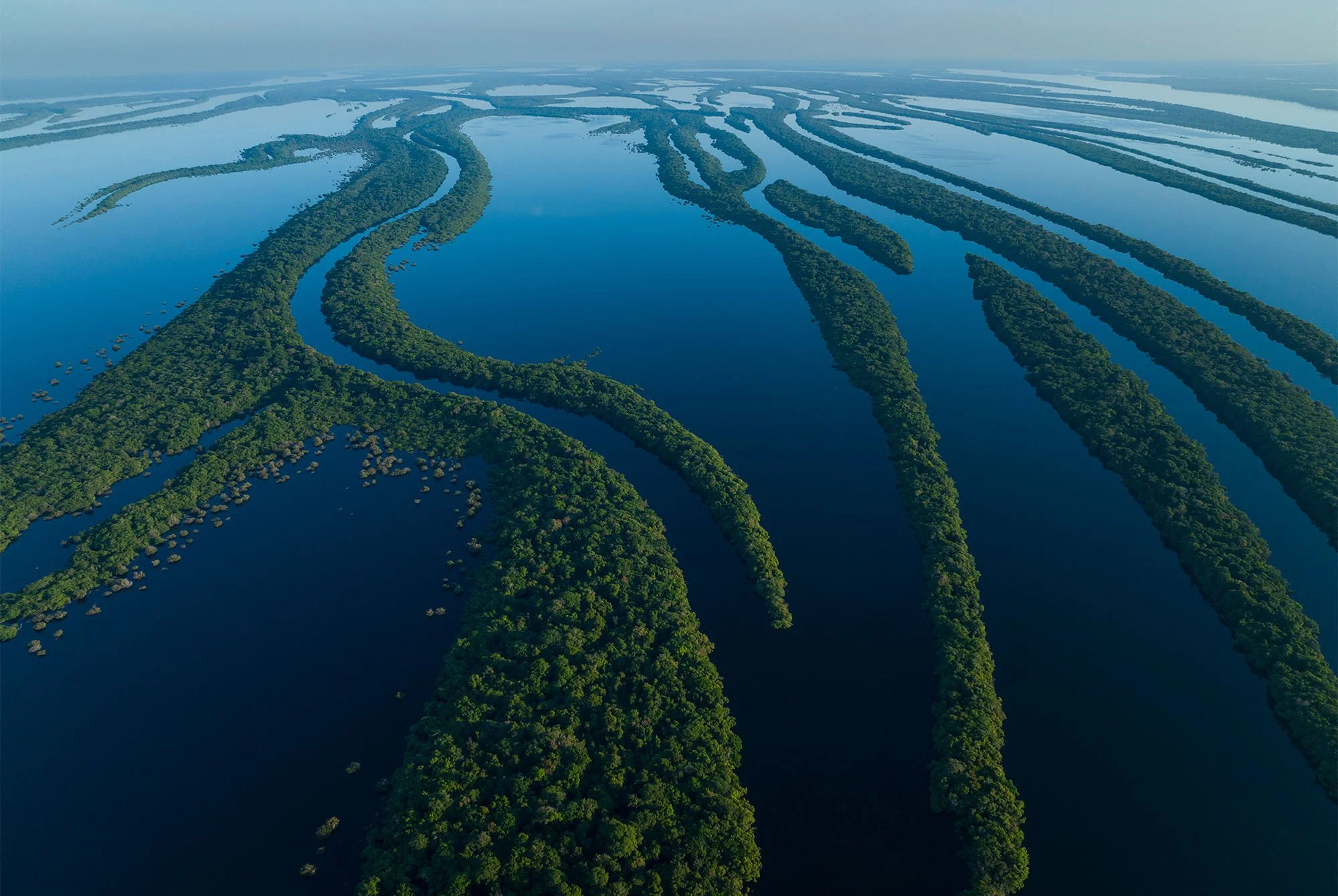
Since its inception in 2015, Parley Maldives has set the precedent for how Maldivians can unite across island schools, businesses and communities through actions that support a blue future. Building on a decade of ocean initiatives at both local and national levels, the Parley Maldives AIR Atoll Project is now connecting waste management, plastic pollution mitigation, and sustainable agriculture practices across six islands in Gaafu Alifu Atoll: GA. Villingili, GA. Dhaandhoo, GA. Gemanafushi, GA. Kondey, GA. Nilandhoo, and GA. Maamendhoo.
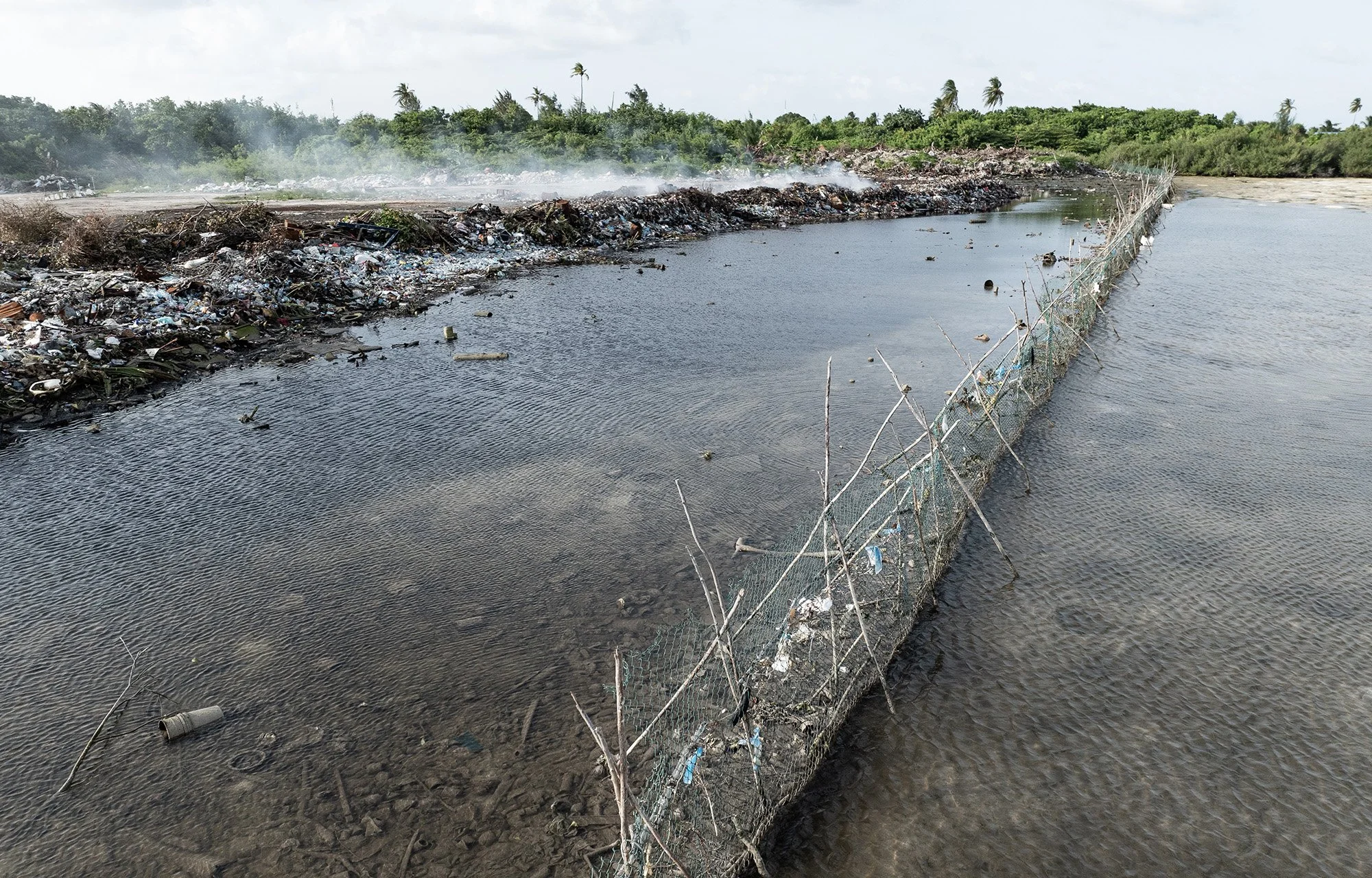
Following the Parley AIR Strategy (Avoid, Intercept, and Redesign), the project aims to improve community waste systems, reduce plastic and pesticide leakage into the marine environment, engage communities and connect waste management with local food production through circular-economy solutions. After a successful launch in 2025 supported by the Global Fund For Coral Reefs, we’re ready to write the next chapter. If you’d like to get involved and help continue the story, please consider making a donation or getting in touch with our team.
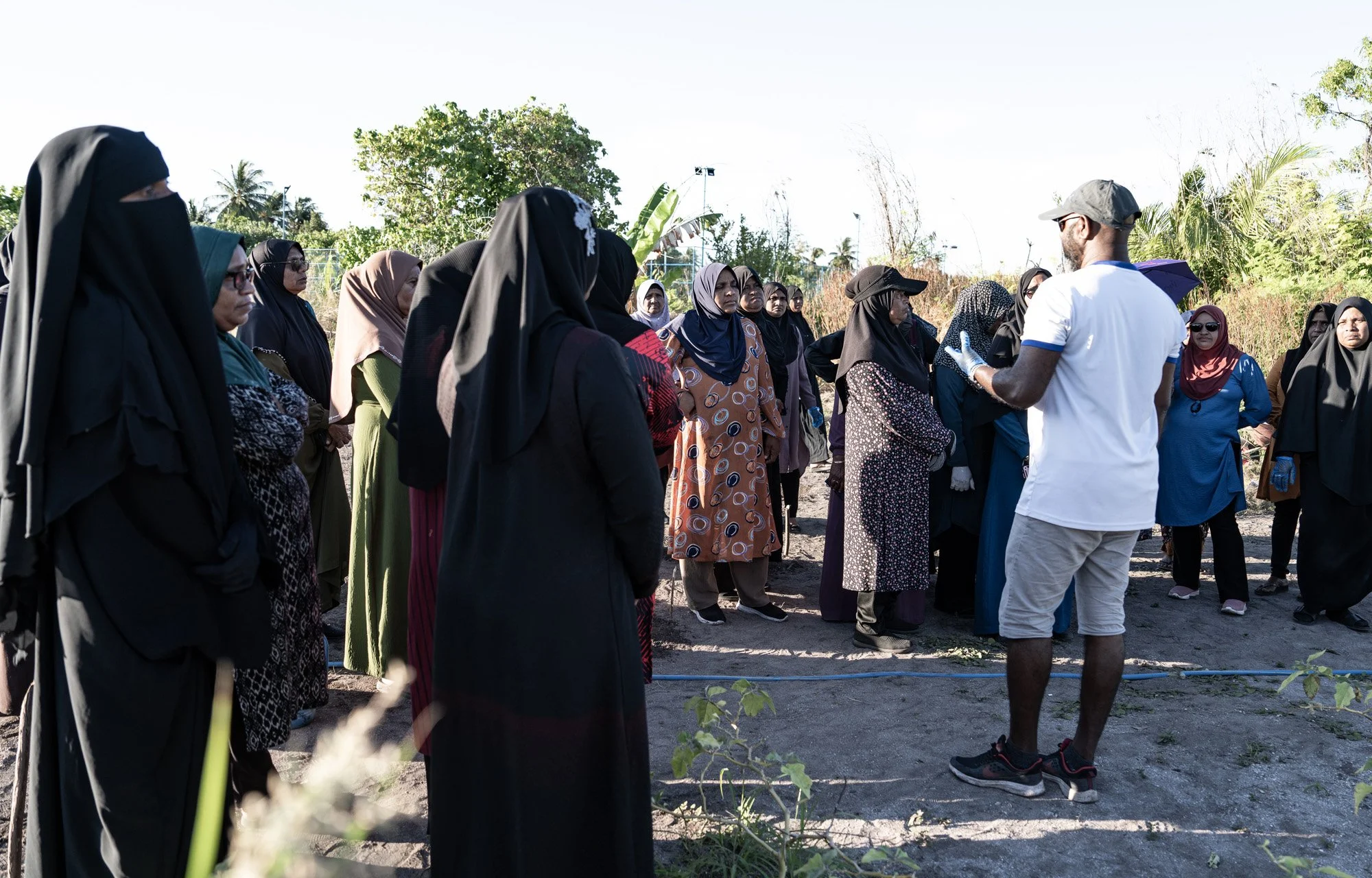
Building Evidence-Based Strategies
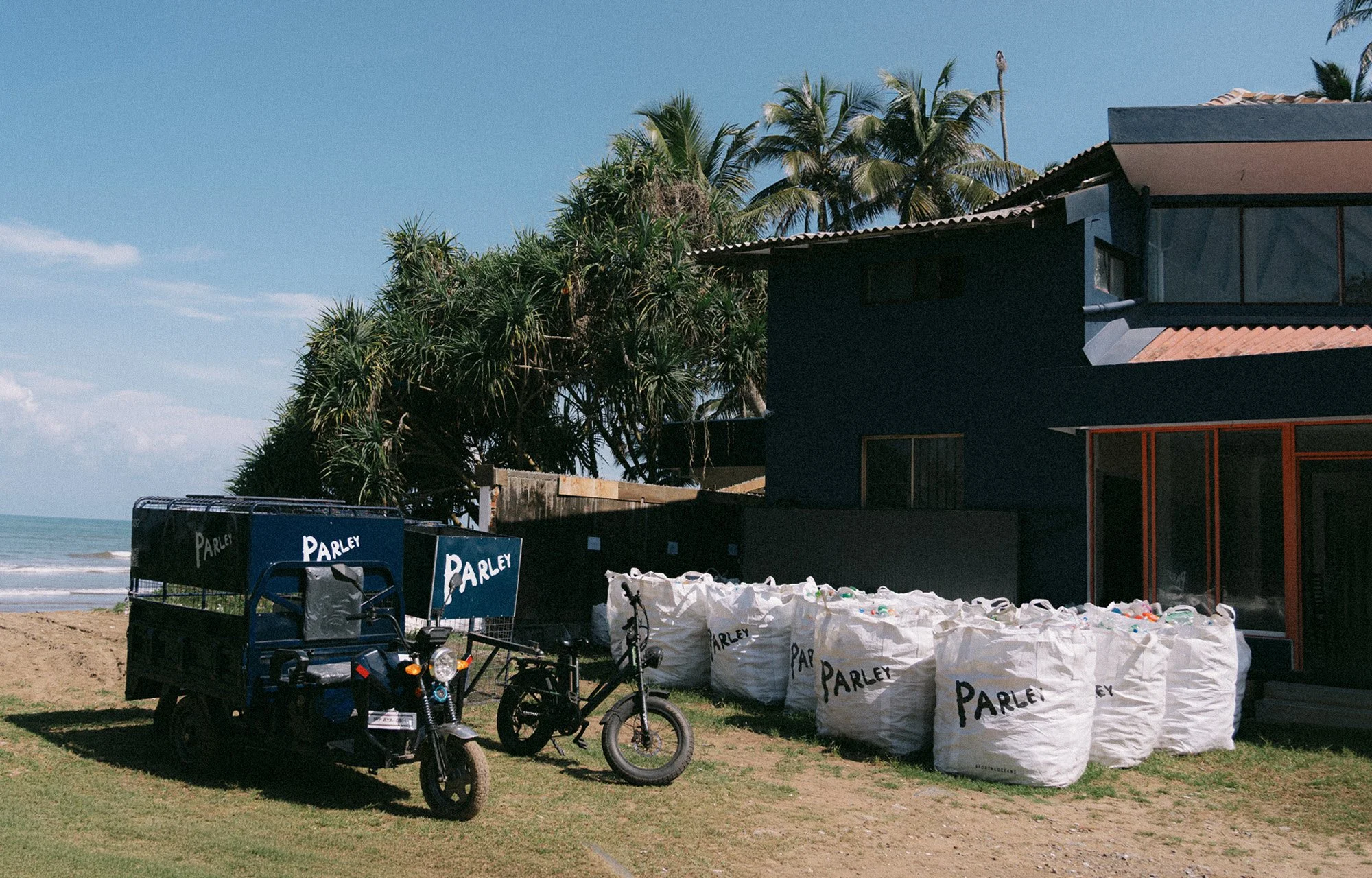
The work begins with extensive research to understand the problem and identify the strengths of each island community that can help drive solutions. Step one is building a strong evidence base through analyses, stakeholder consultations, waste-stream planning, and household Material Flow Assessments. These activities inform our comprehensive ‘Waste Management Centre Action Plans’ and support the provision of key infrastructure, including compacting equipment and segregation materials, operational procedures and island specific training.
Engaging the Schools
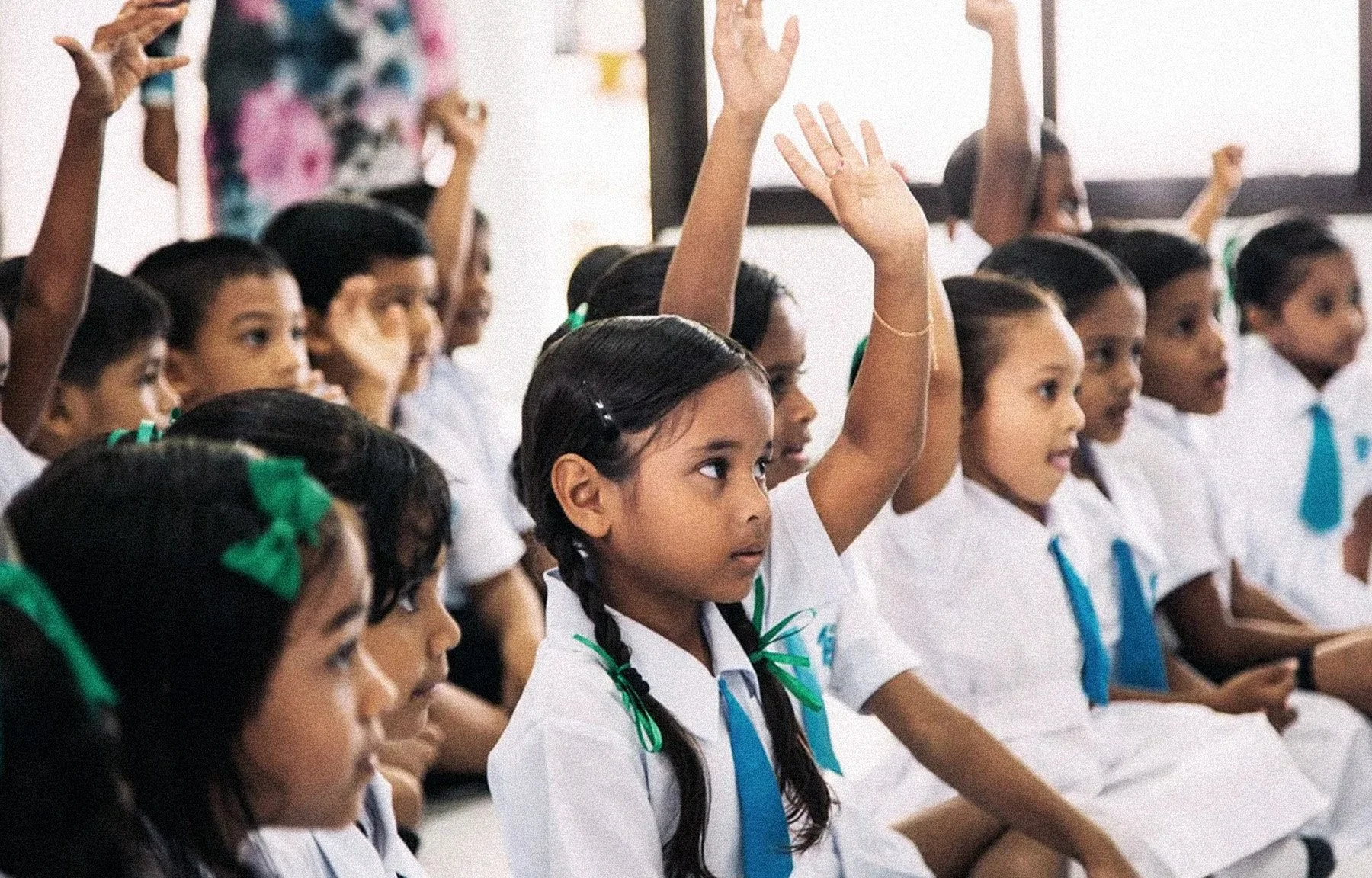
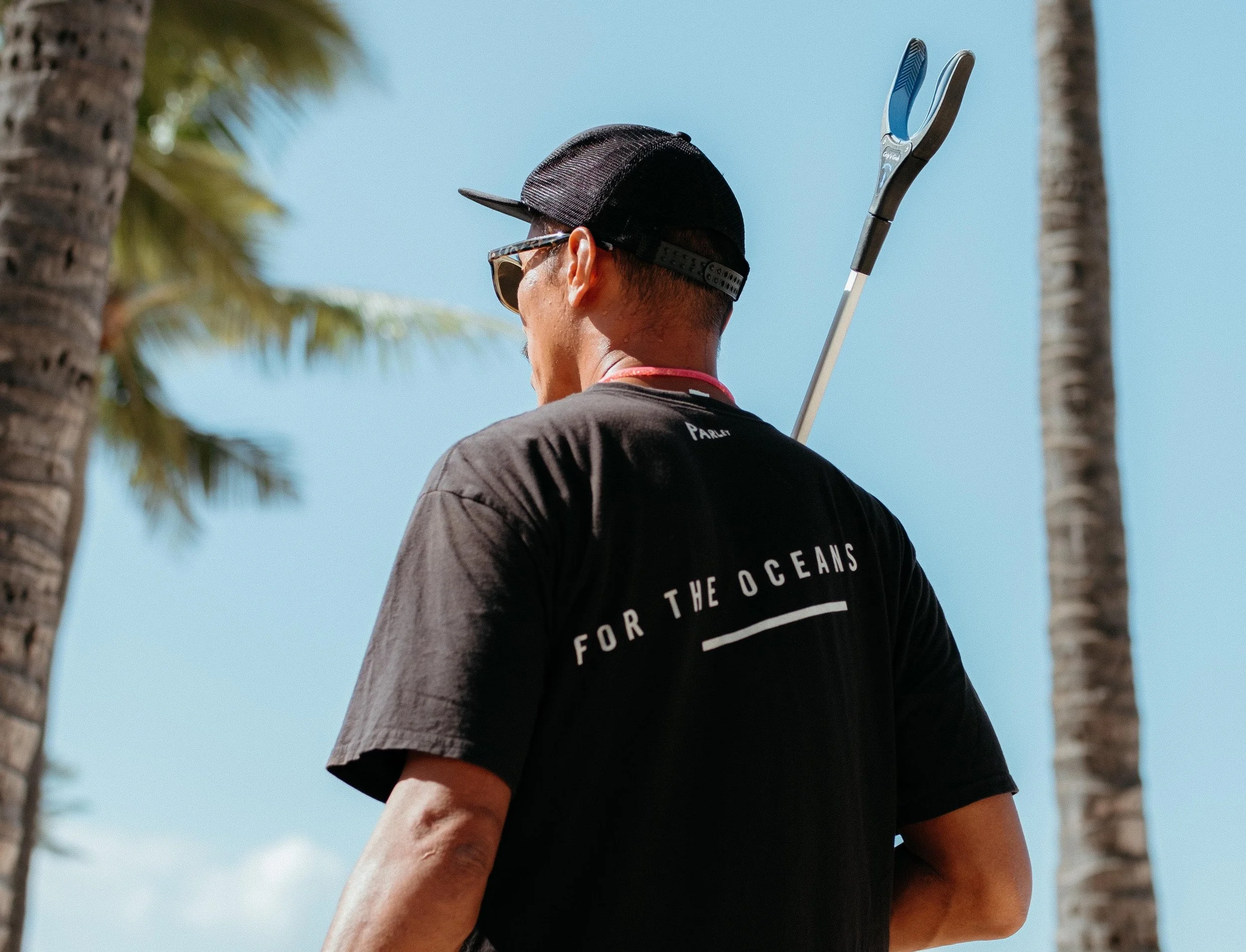
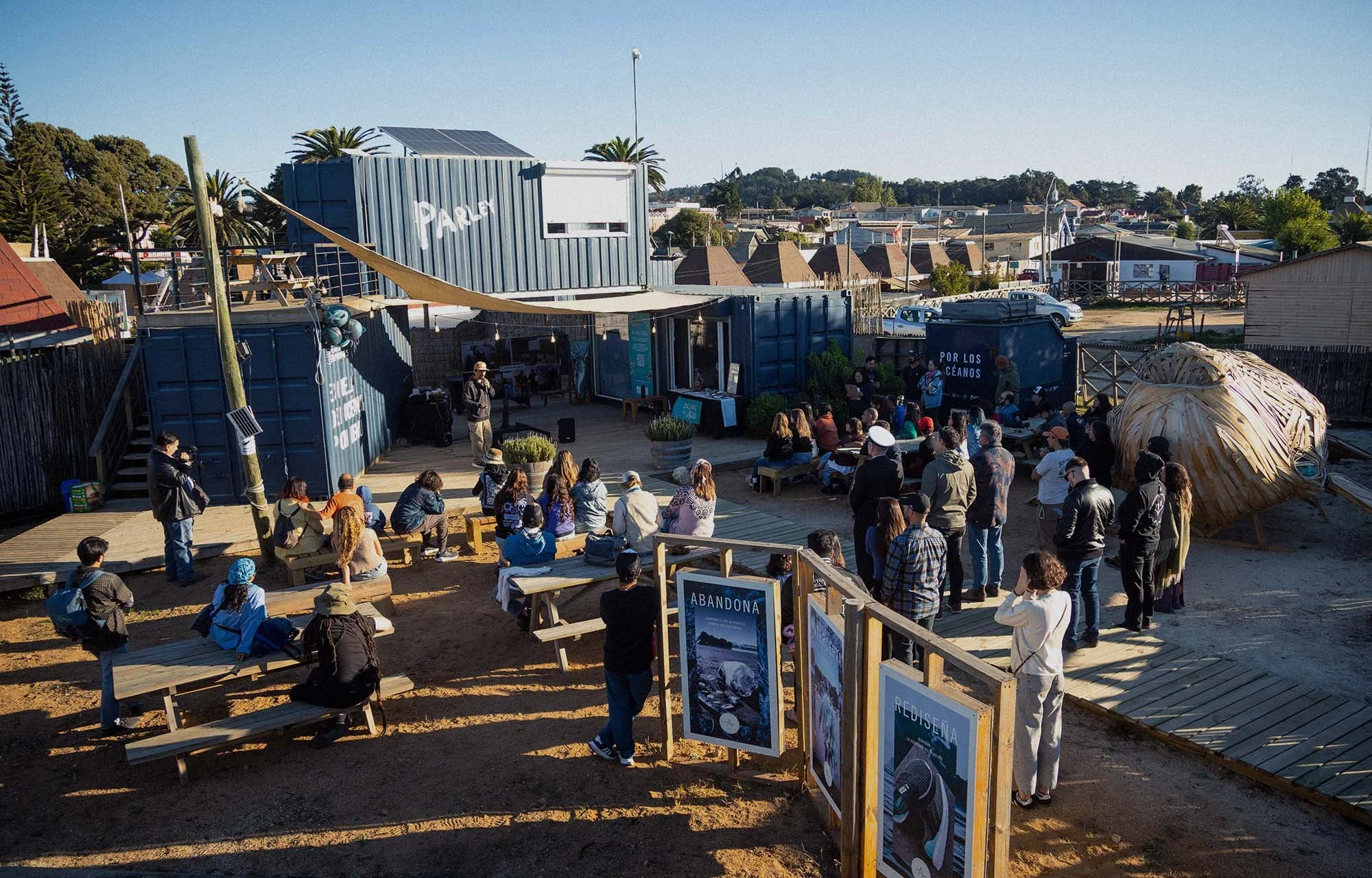
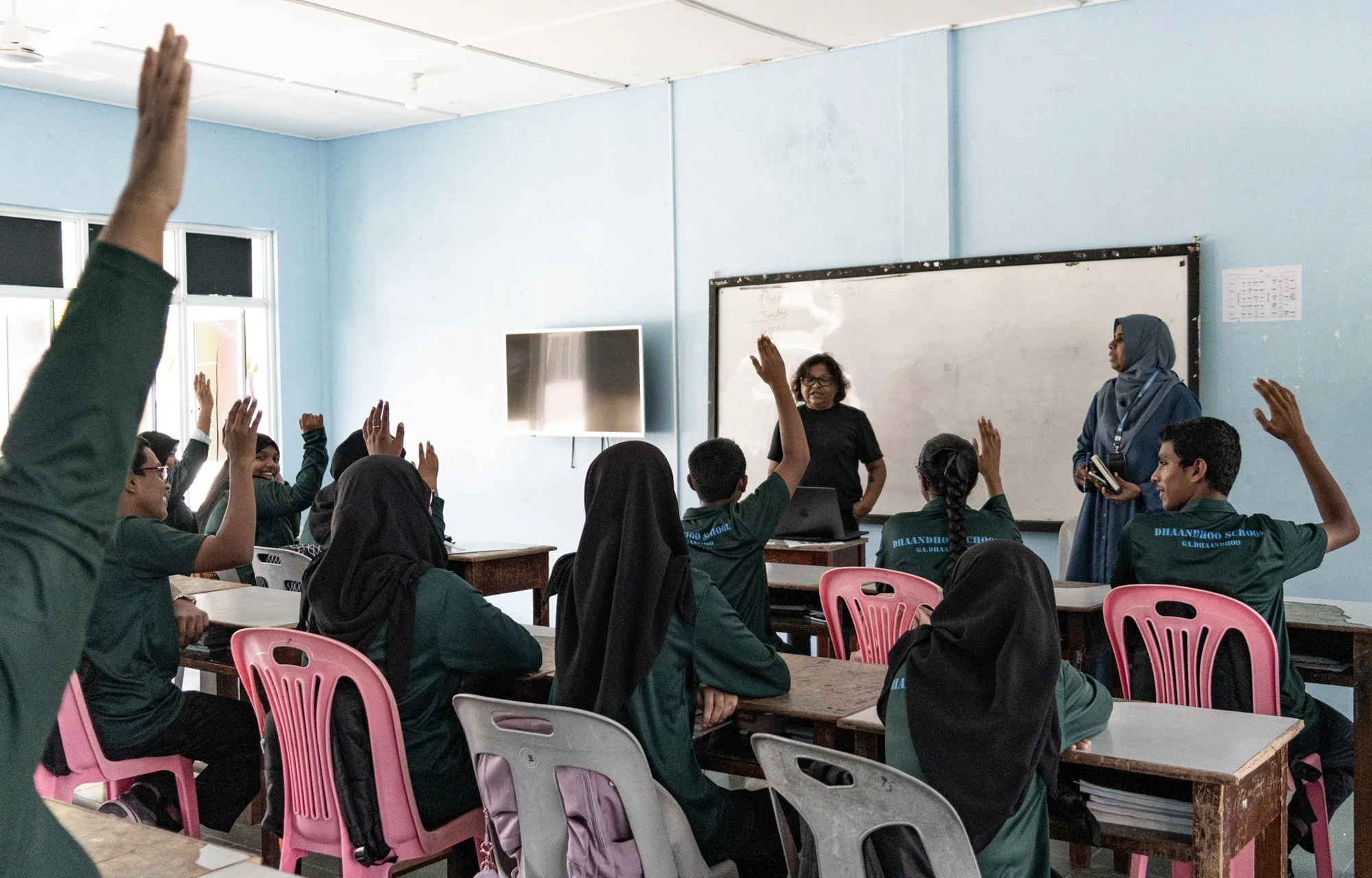
Education for action is a fundamental goal behind every Parley project. Expanding our ongoing Parley AIR School Challenges, this initiative has engaged students, teachers, parents, island councils, and communities in environmental actions with lasting impacts. Awareness campaigns, beach clean-ups, and stewardship activities strengthen environmental responsibility, increase understanding of plastic pollution, and encourage sustained behavior change and community participation.
Strengthening Sustainable Agriculture & Compost Systems
At present, only about 10% of the land across the 1,192 coral islands of the Maldives is considered cultivable. With high-pH levels, infertile soils and limited freshwater sources, the nation must currently import over 90% of its nutritional needs and 100% of staple grains to feed communities and a booming tourism industry. Given the limitations of growing in coralline atoll soils, the use of imported fertilizers and pesticides poses further risks to soil quality and contributes to marine pollution impacting coral reefs.
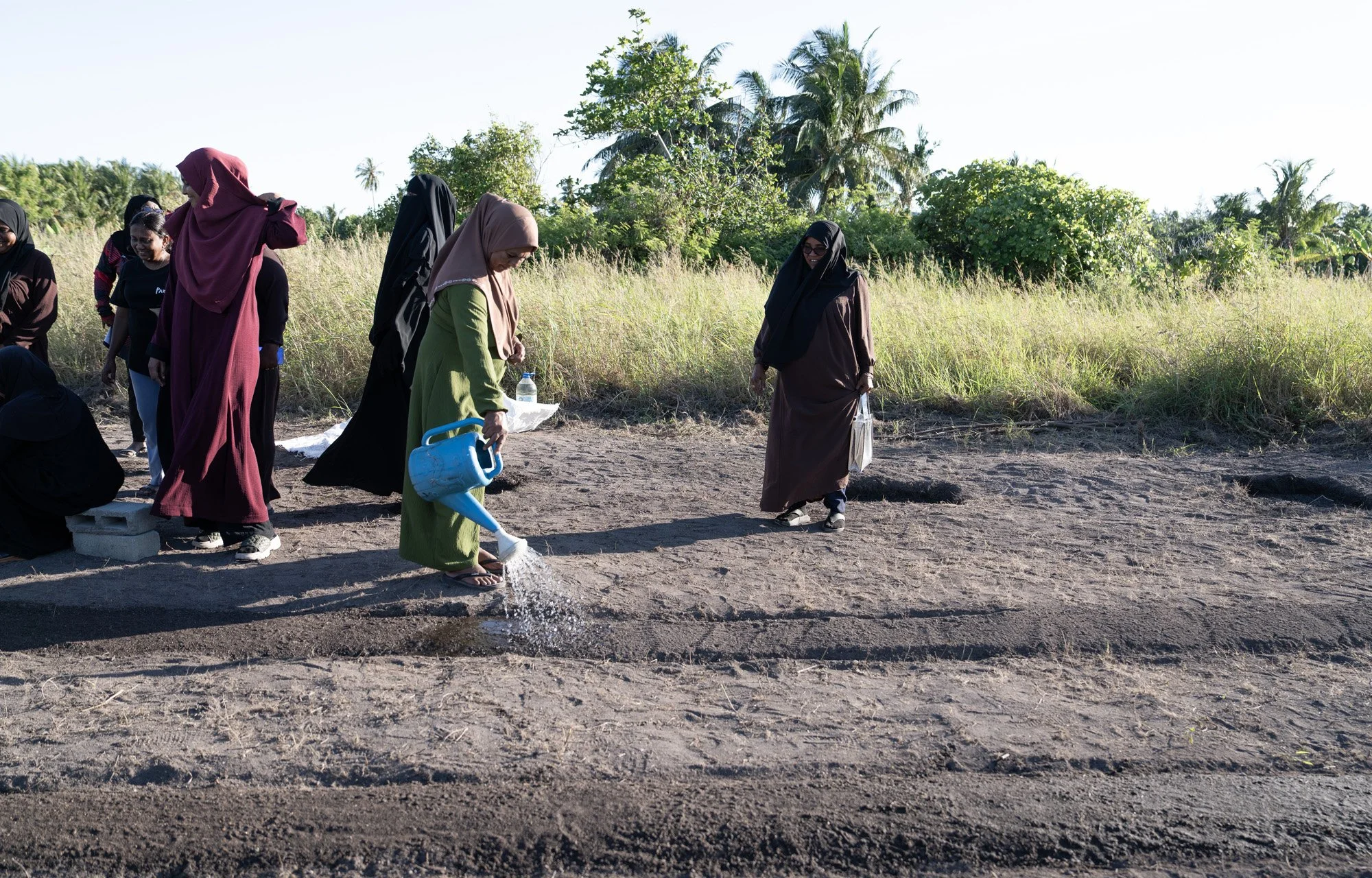
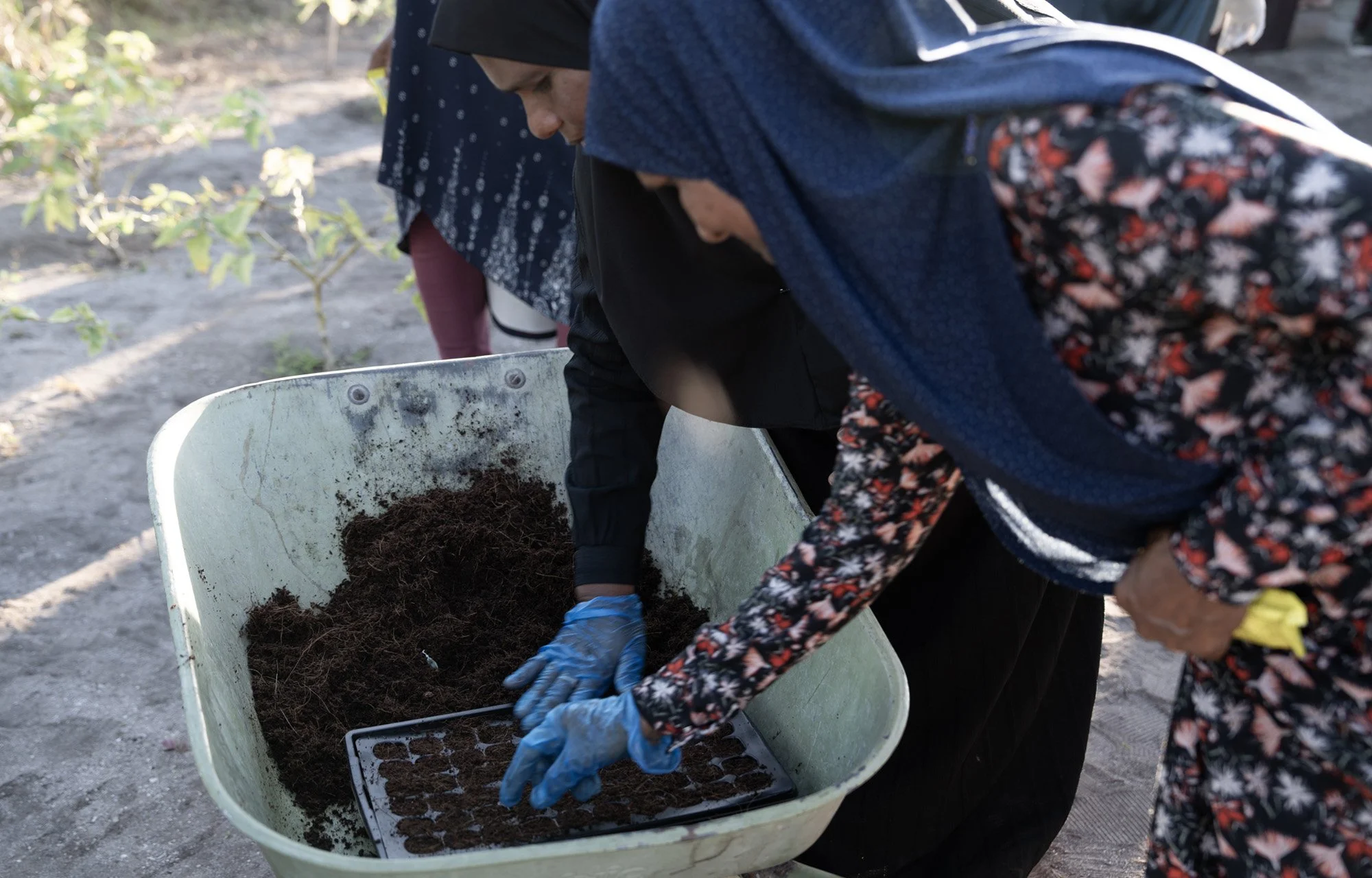
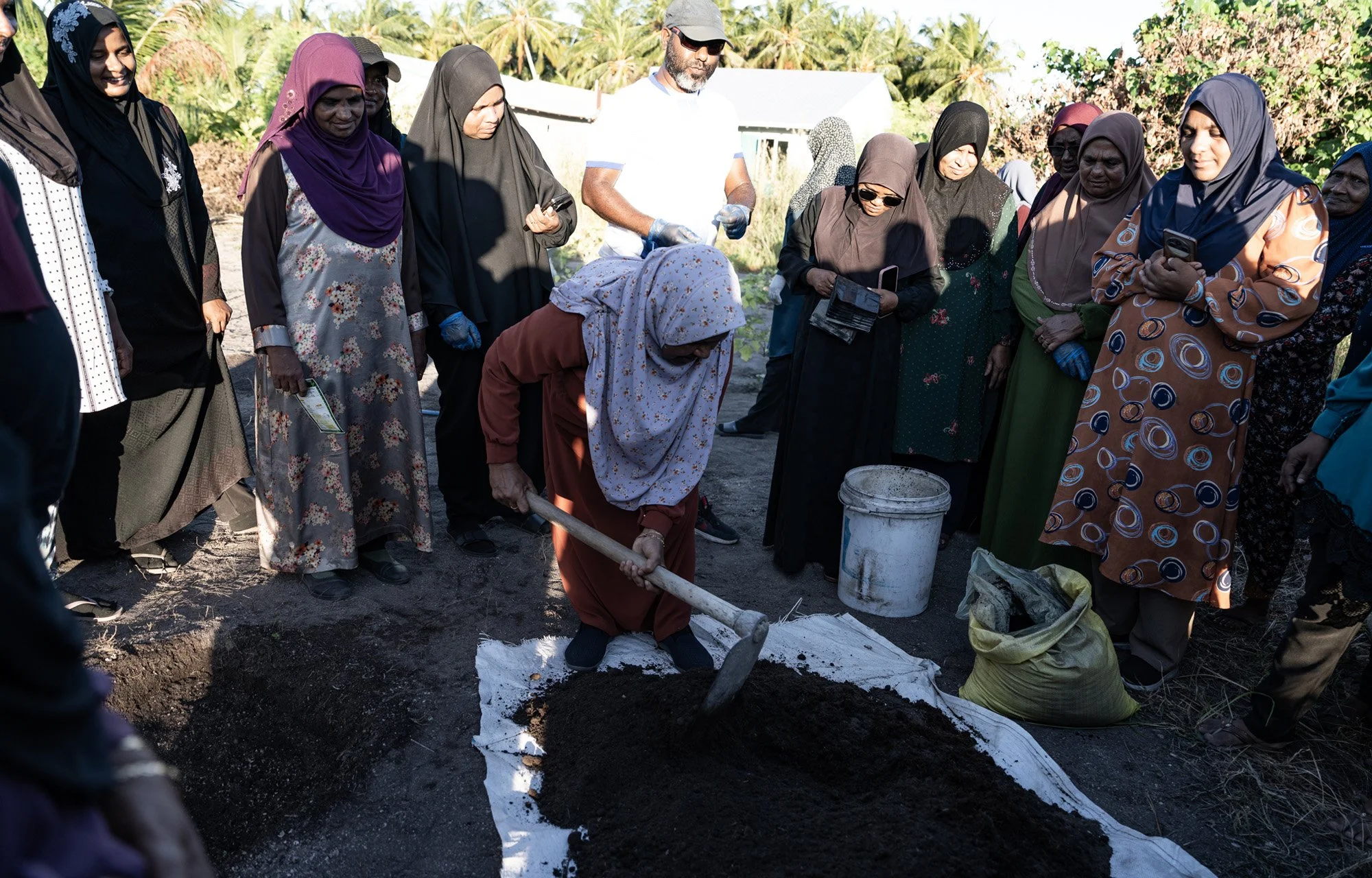
In an exciting extension of the work, Parley Maldives AIR Atoll supports comprehensive sustainable agriculture by training 80 farmers in composting, sustainable agriculture, pest management, Good Agricultural Practices (GAP), and business skills. Additionally, integrating composting systems and circular resource management further strengthens the link between organic waste management and local food production.
A significant portion of island waste is organic, and when combined with fish waste and vegetation waste, it can be composted to improve soil fertility and reduce reliance on chemical fertilizers. Composting is a simple process in the Maldives, requiring minimal equipment and posing no health risks compared to chemical fertilizers.
Composting organic waste enriches soil and boosts root development, reducing the need for chemical fertilizers. It also helps prevent soil erosion and suppresses soil-borne diseases, benefiting both the environment and small-scale farmers economically. In addition to the ecological benefits, the project addresses gender barriers, providing leadership training and elevating women to governance roles within Producer Groups.
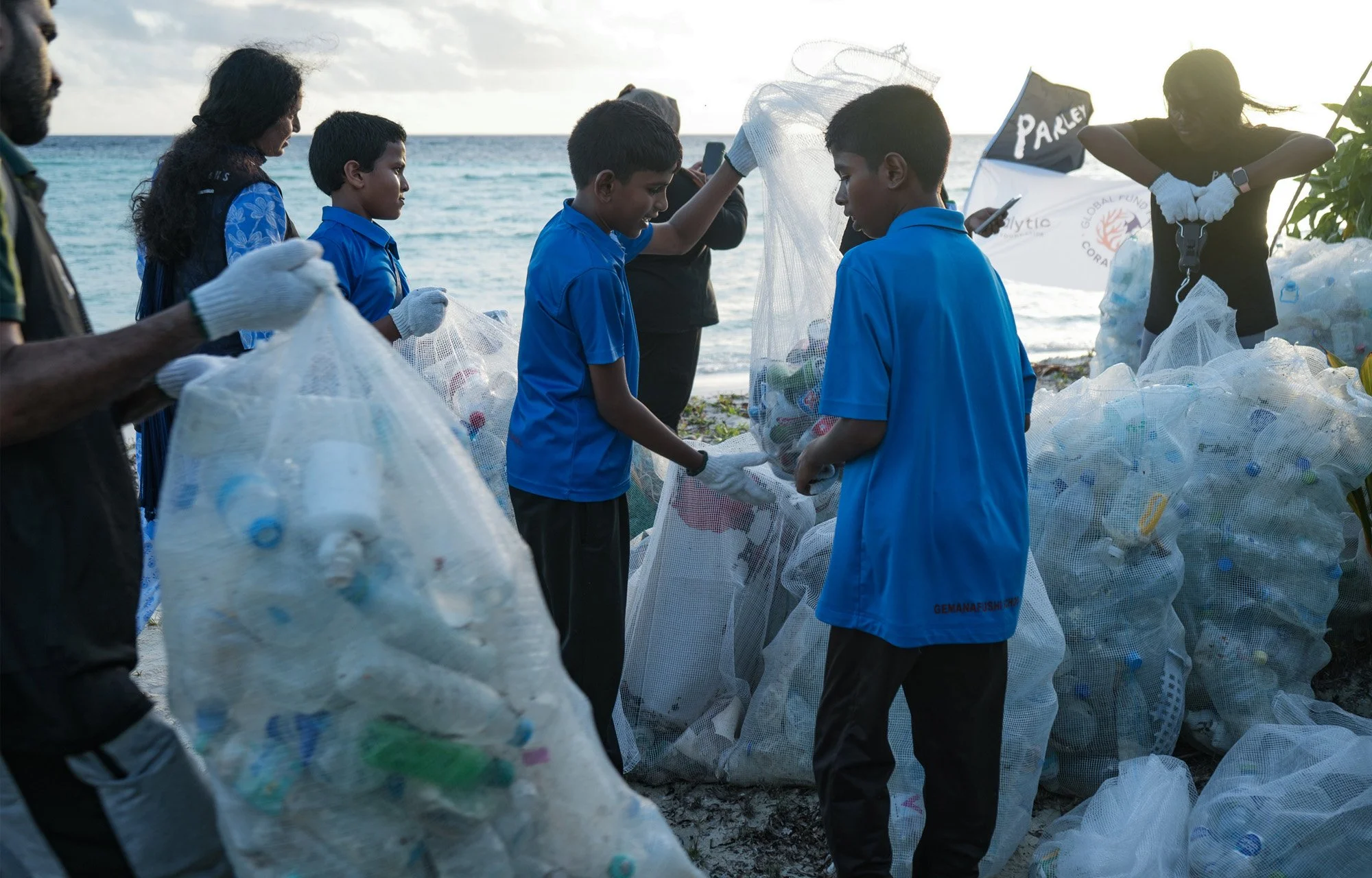
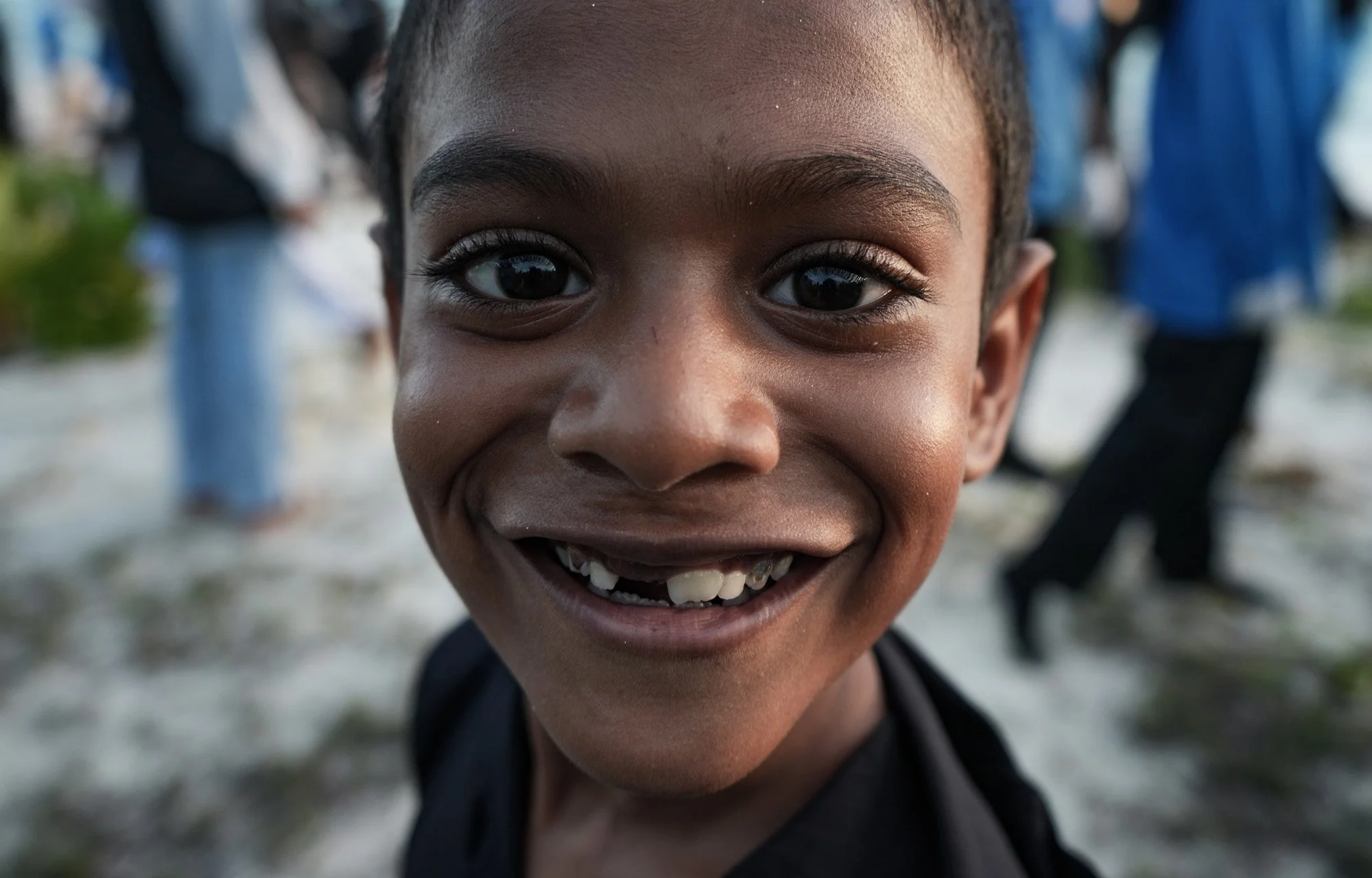
“the most effective environmental solutions are rooted in communities… Engaging the councils, women, youth and school students, we slowly foster the understanding that our land, our oceans, and our well being are inseparably connected. By protecting nature, we ultimately protect ourselVES.”
Shaahina Ali, Parley Maldives
READ MORE