How Sparxell are learning from nature at a subatomic level to reinvent color
We speak with Benjamin Drouget and Nayanika Bharadwaj about a revolutionary new process for reproducing the most vivid colors in nature without the need for plastics or toxic chemicals
Parley is on a mission to drive a Material Revolution – one that replaces plastic, synthetic textiles and toxic chemicals with new materials and processes that don’t harm the oceans and wider environment. Under the name Parley Future Material, we are introducing natural materials, biofabrication and green chemistry as alternatives to conventional and often harmful industry standards. The ultimate goal is to develop new materials that function in symbiosis with the planet and biodegrade in conditions which are actually found in nature. In this ongoing Parley content series, we meet the innovators, scientists and start-ups who are driving this movement.
It might not be something you think about every day, but the global industrial color system is an environmental problem hiding, quite literally, in plain sight. Largely built on petrochemicals, mined minerals and toxic dyes, the colors we use in fashion, textiles, paints and packaging often contaminate waterways, generate microplastics and rely on complex and opaque supply chains. The textile sector alone releases vast volumes of synthetic dyes into the environment each year, while pigments used in packaging, cosmetics and coatings quietly accumulate across ecosystems.
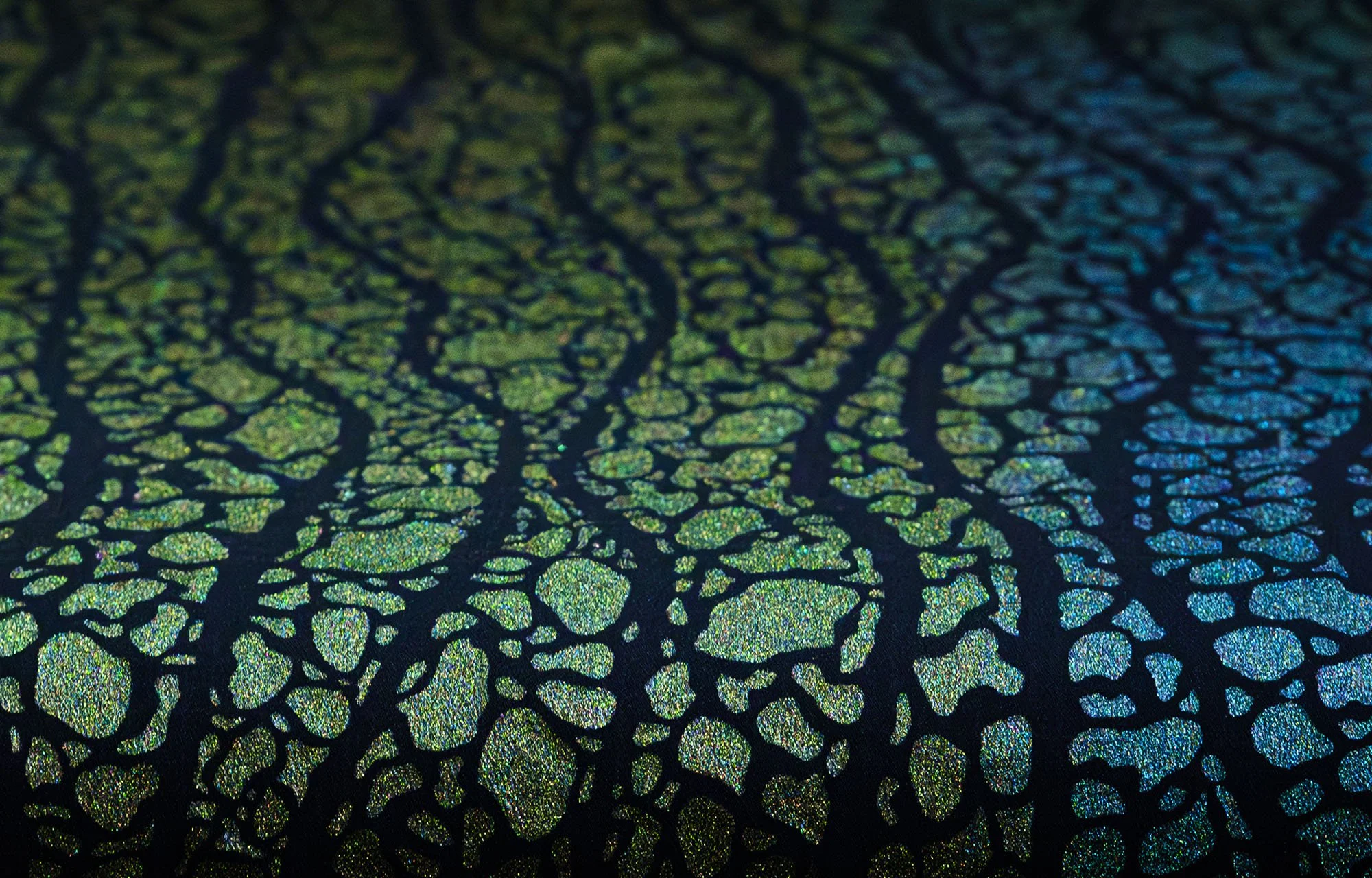
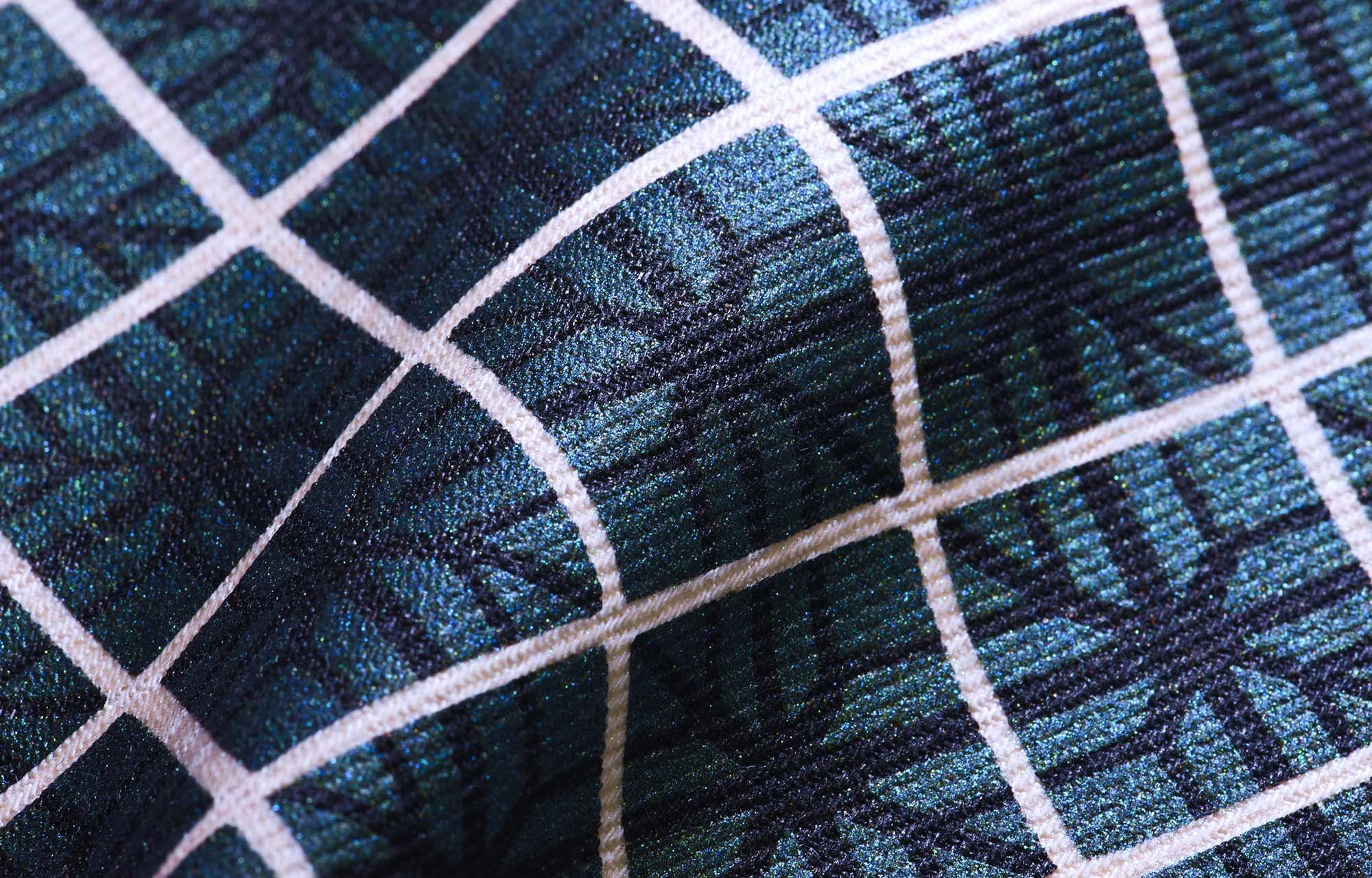
Sparxell is rethinking color at a subatomic level. Spun out of the University of Cambridge, the company has developed a fundamentally different approach: one that replaces chemistry with structure. Instead of relying on synthetic dyes or heavy metals, Sparxell harnesses cellulose, the most abundant organic material on Earth, to create color through form alone. By extracting and assembling microscopic cellulose crystals into highly ordered structures, the material reflects specific wavelengths of light, producing vivid hues in the same way that butterfly wings or peacock feathers do.
The result is a new class of pigments that are 100% plant-based, plastic-free and fully biodegradable, yet capable of delivering the performance, intensity and durability demanded by industry. It’s a deceptively simple idea with promising implications: since Sparxell’s colors are built from structure rather than molecules, they eliminate the need for toxic additives. At the same time, the technology is designed to integrate directly into existing manufacturing systems, offering a rare combination of scalability and systemic change. The company is part of the Parley Future Material network and has so far worked with fashion designer Patrick McDowell and textile innovators Positive Materials to showcase their potential. We caught up with Sparxell’s Benjamin Drouget and Nayanika Bharadwaj to learn more.
Q&A
To start, could you tell me a bit about yourself—how you got into this field and what your current research focuses on?
Benjamin Droguet: I started working on plant-based structural pigments during my PhD at Cambridge, where we’re still based today. I was interested in how nature creates color without using toxic chemicals—which turns out to be quite complex.
My research focused on scaling up that concept. Scientists had already explored how plants and animals produce vibrant colors structurally, but the challenge was replicating and industrializing that process. During my PhD, I worked on building prototypes and developing a scalable platform. Toward the end, I also began building a business case, which eventually led to spinning out the company. That was about three years ago, though the research itself has been nearly nine years in the making.
And how did you get involved, Nayanika?
Nayanika Bharadwaj: My background is in sustainable innovation in the fashion industry. I’ve spent over six years working with startups in this space. I joined Sparxell earlier this year to lead marketing and partnerships—essentially shaping how we communicate and present the product. It’s a visually driven material, so storytelling is key.
Can you explain how your technology works, and where the idea originally came from?
Benjamin: The research began quite serendipitously. Our professor found a preserved berry specimen in the collection of the British Museum. It was over 100 years old but she noted it was still very vividly colored. Under the microscope, she discovered there was no pigment involved. Instead, the color came from the structure of the material itself.
The berry was made of cellulose—plant fiber—but arranged in a way that reflected light to create color. That sparked the idea: if nature can do this, can we replicate it?
We use cellulose—essentially wood pulp—and engineer it at the microscopic level. Tiny cellulose crystals self-assemble into a helical, staircase-like structure. That structure reflects light and creates color. Without it, cellulose just appears white, like paper. We produce colored sheets of cellulose using this process, then break them down into pigments.
It sounds almost like magic. How difficult is it to control?
Benjamin: The process itself is relatively simple—we only use water and cellulose—but it’s extremely precise. Many variables affect the outcome: pH, temperature, pressure, ionic strength. All of these influence the final color and brightness. So while the inputs are simple, controlling the system requires a deep understanding of the physics. That’s really where our expertise lies—being able to consistently reproduce and scale the process.
And everything you currently do at Sparxell is based on this same process and platform?
Benjamin: Yes. It’s one core process, but we’ve expanded it to offer a wider range of colors and to standardize output for manufacturing. We can now deliver consistent, specified colors at scale to our customers.
What are some of the issues with traditional materials like dyes, sequins and glitter?
Nayanika: The fashion industry has historically prioritized aesthetics, often at the expense of environmental impact. Many dyes and embellishments rely on plastics, chemicals, and non-transparent supply chains.
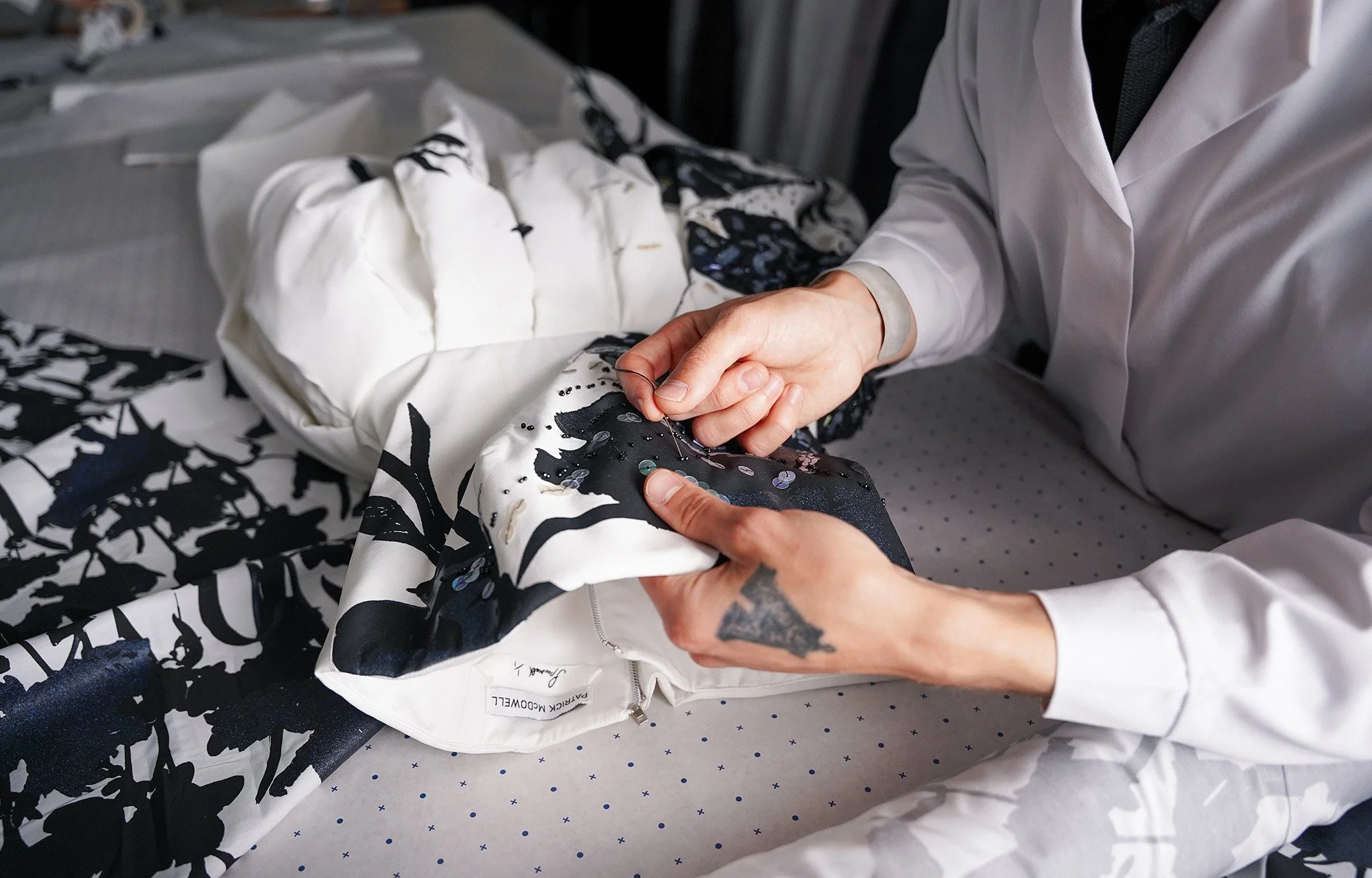
Sequins, for example, are essentially microplastics. They shed easily and end up in the environment, including the ocean. And because they’re so widely used—from luxury to fast fashion—the scale of the problem is enormous. Color is something we take for granted, but it comes at a cost. If we’re not paying that cost directly, the planet is.
We kind of alluded to this earlier, but it sounds like the solution you've come up with is fairly scalable? You can ramp it up fairly quickly and produce larger quantities compared to other biomaterial innovations?
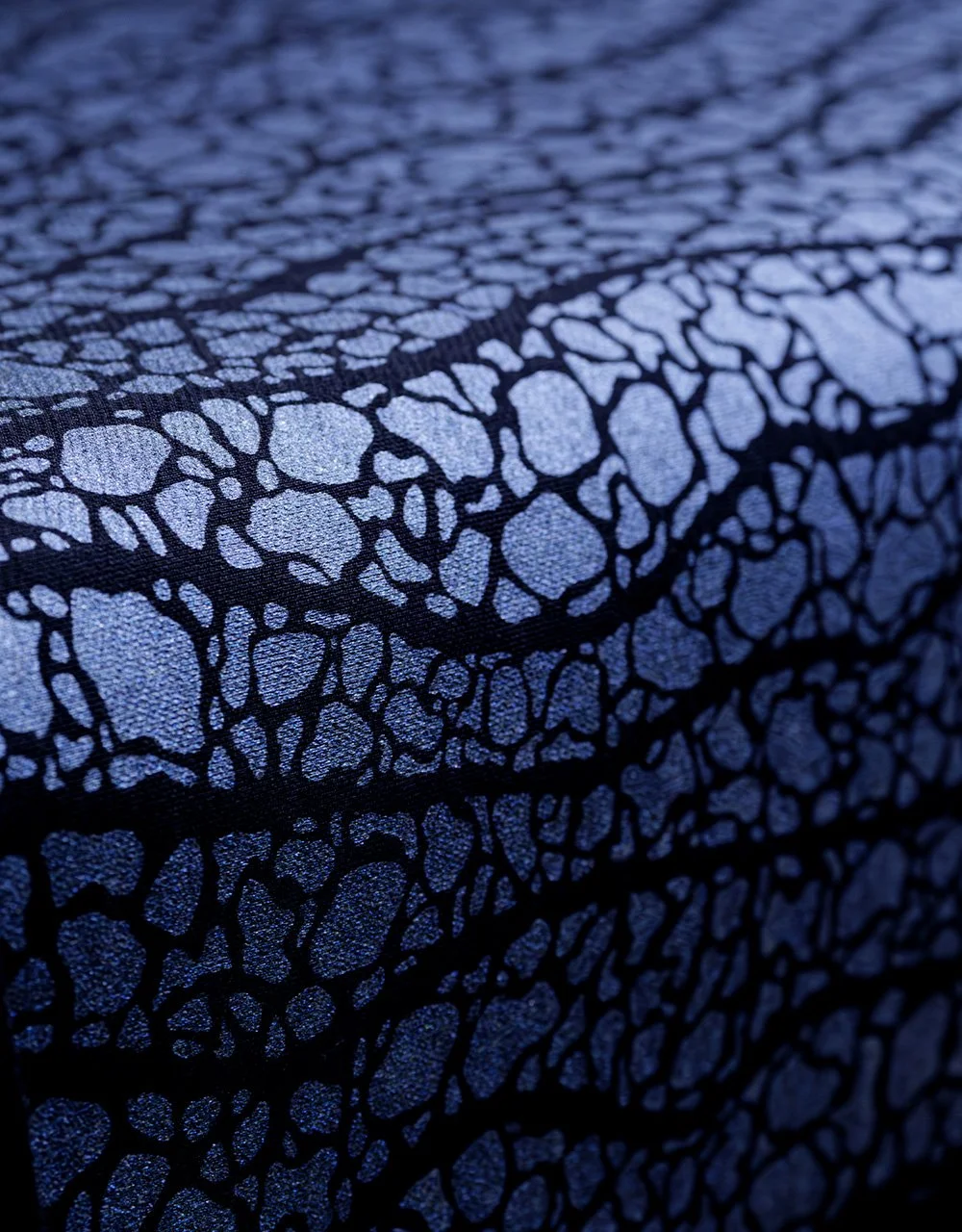
Benjamin: Our process doesn’t rely on biology or chemistry—we’re working with physics. That removes many limitations around speed and scalability. Once we’ve defined the process parameters, we can scale using standard paper manufacturing equipment. We don’t need new infrastructure or complex systems like fermentation. That also makes us a drop-in solution for manufacturers—they can use our pigments without changing their processes. We’ve already demonstrated this with textile printing using standard machinery. Our focus now is expanding into the market at scale.

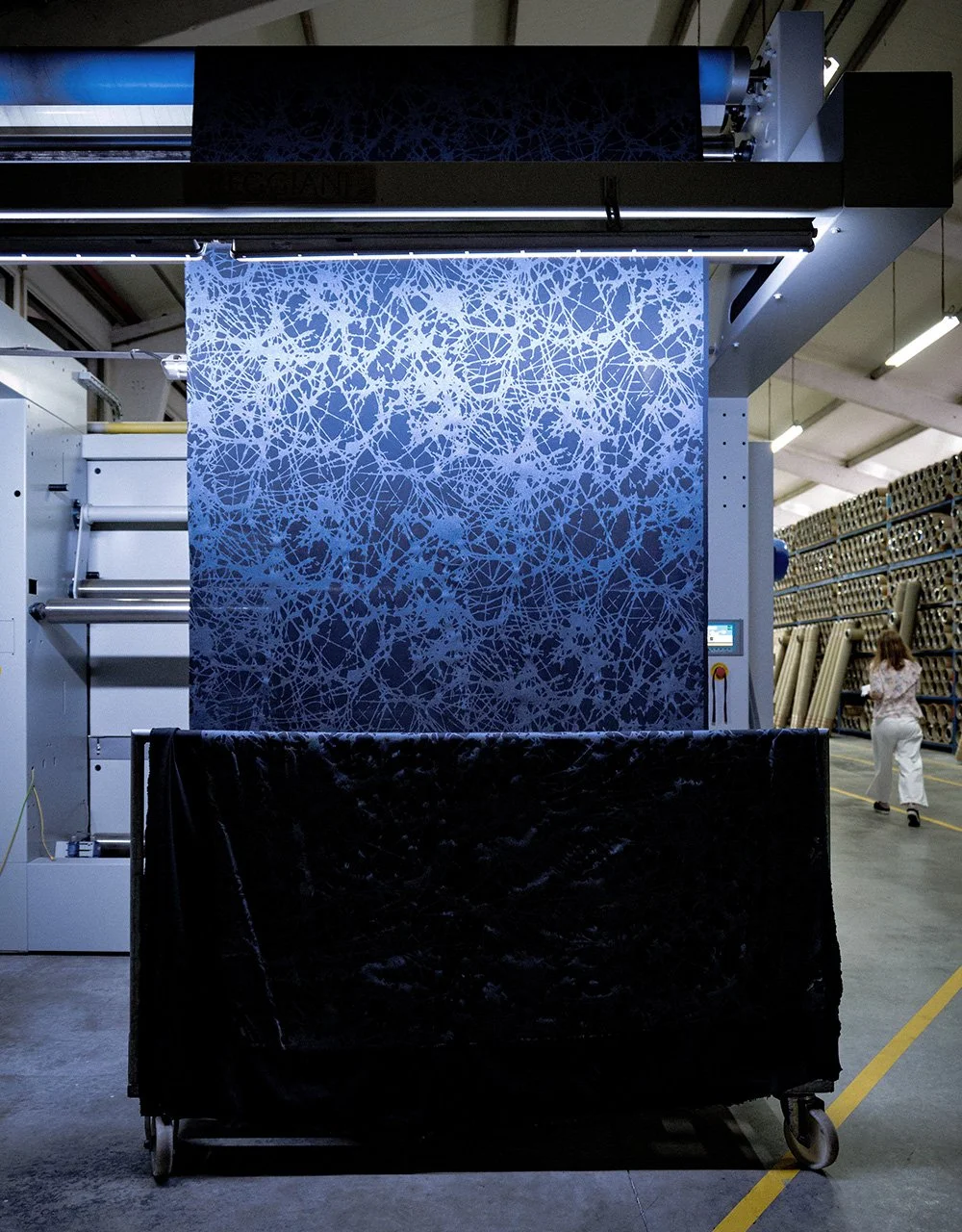
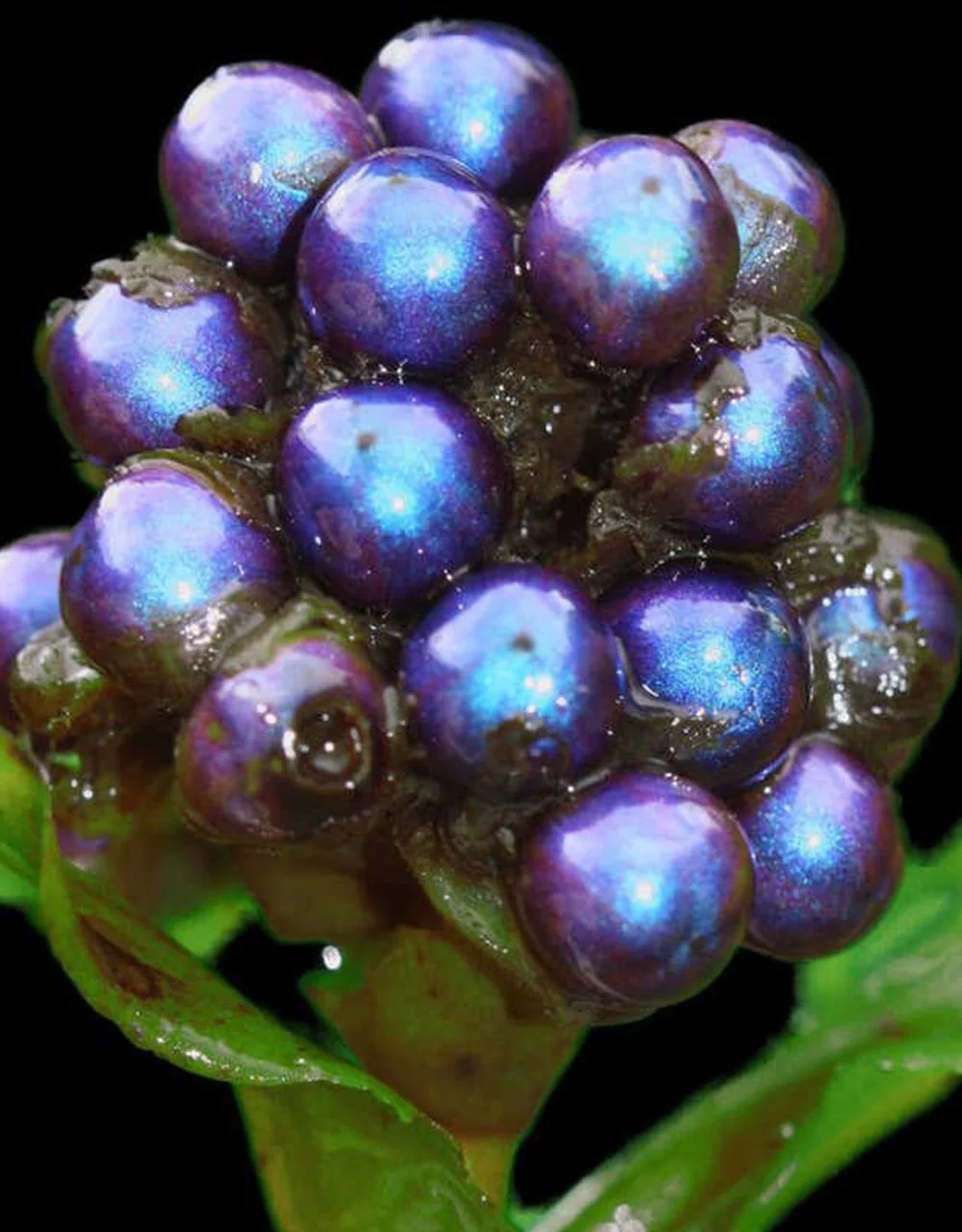
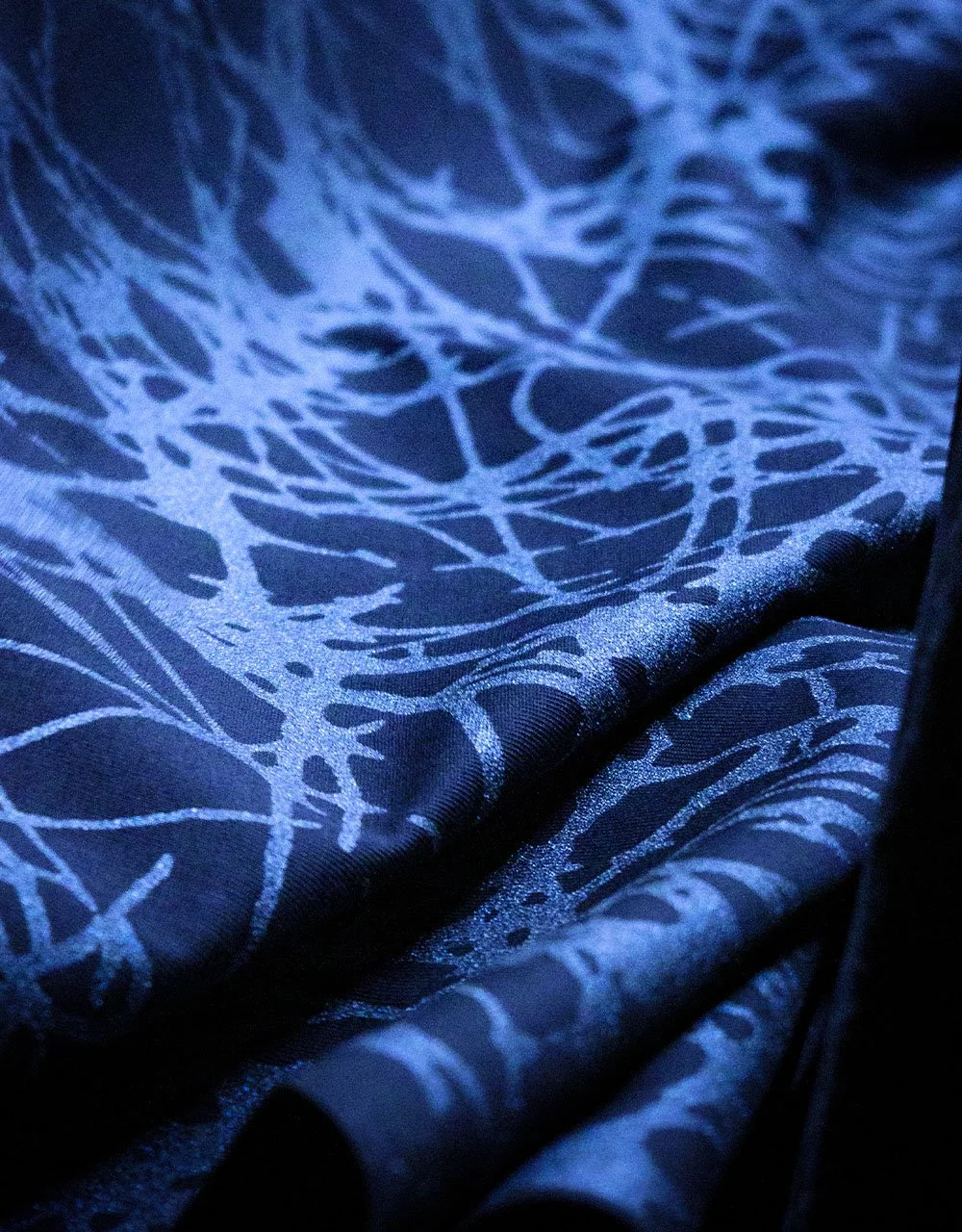
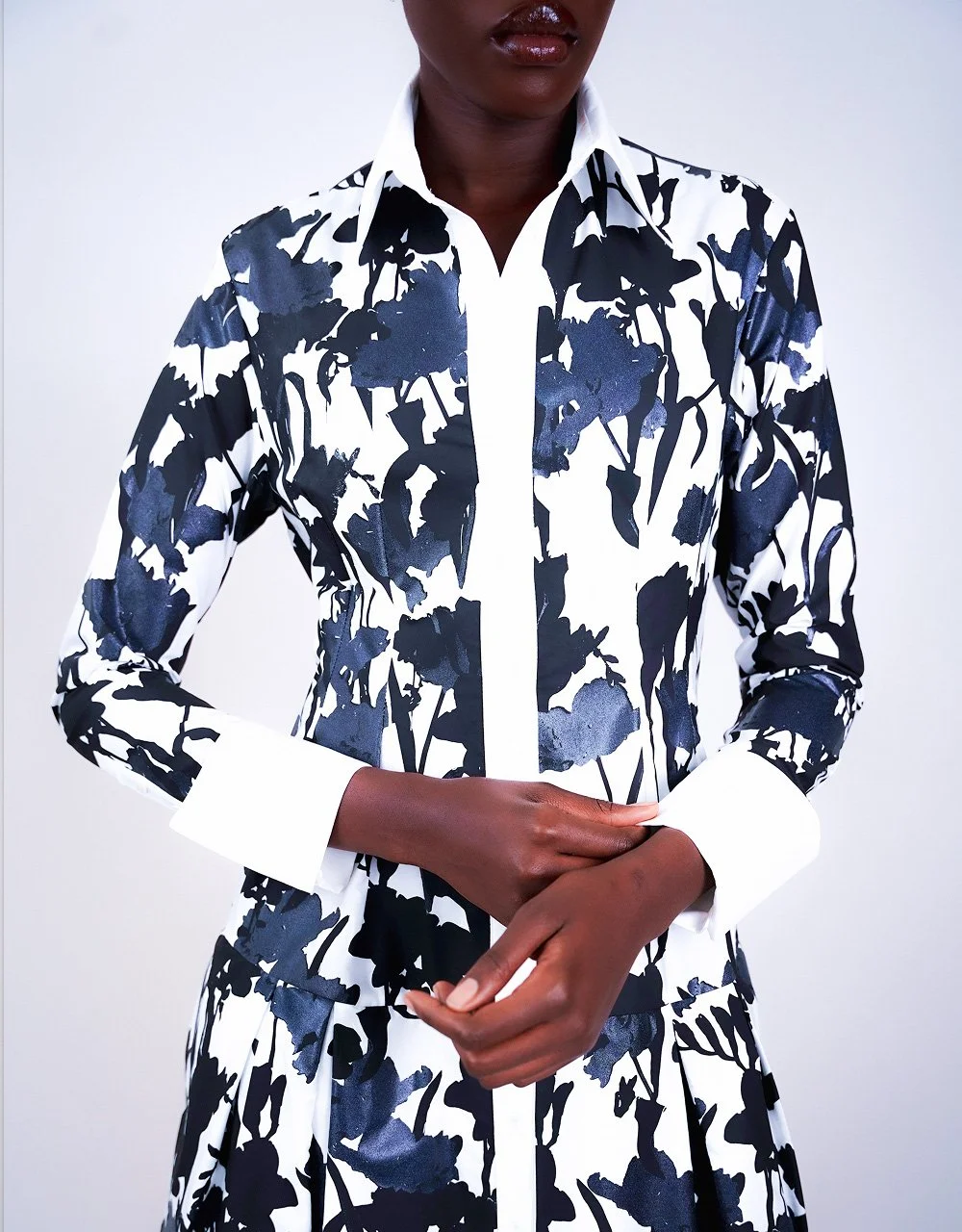
“Our process doesn’t rely on biology or chemistry – we’re working with physics. That removes many limitations around speed and scalability.”
Benjamin Droguet
How does the material perform?
Benjamin: It’s very durable and meets all industry standards for textiles, including washing and abrasion. At the same time, it’s biodegradable because it’s made entirely of cellulose. So you get both performance and environmental compatibility. It’s long-lasting in use, but safely breaks down in nature without toxicity.
Where do you see Sparxell having the biggest environmental impact?
Benjamin: In terms of scale, probably paint and packaging. These industries use enormous amounts of color. Packaging is especially interesting—using cellulose-based pigments simplifies materials and improves recyclability. In textiles, replacing synthetic dyes helps maintain the integrity of natural fibers. In cosmetics, it’s about reducing toxicity and improving traceability.
Nayanika: In cosmetics, there’s also the issue of mica, which is often linked to child labor and opaque supply chains. Having a safe, traceable alternative is very compelling.
What was the transition like from working in academia to building a company?
Benjamin: There was a lot of learning! But I was fortunate to have support from the university and access to funding—Innovate UK, the European Commission, and a global group of investors. COVID also gave me extra time at the end of my PhD to develop the business plan. That helped lay the groundwork for the company.
What motivates you both personally?
Benjamin: I care about the environmental potential, but I’m also driven by the desire to take research out of the lab and turn it into something real; something people can use and understand. A lot of great science never reaches that point.
Nayanika: I’ve always wanted to work in fashion, but during my studies I realized how problematic the industry is. That led me toward sustainable innovation. My work now focuses on building brands and narratives that drive positive change—helping new materials like this gain traction in the real world.
What has the reaction been from designers and brands?
Benjamin: Very positive. The most common response is simply: “It’s beautiful.” That’s crucial, because if it’s not aesthetically compelling, brands won’t adopt it, regardless of sustainability. People are often surprised it’s made from cellulose. And once they understand the story, it becomes even more powerful.
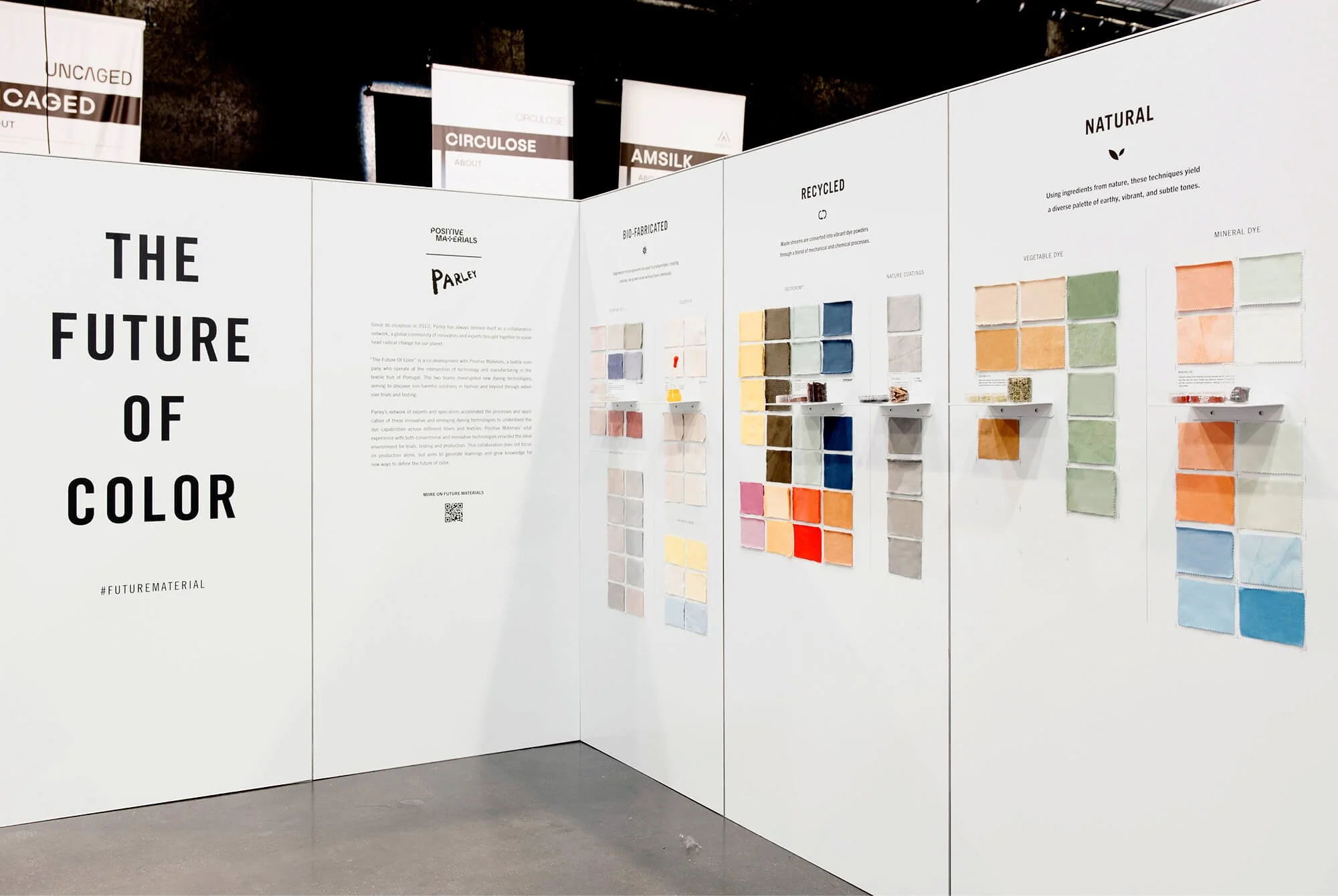
Nayanika: Designers are key. They need to be excited by it – and so far, they are. The challenge now is showing the full creative potential of the material and integrating it into their workflows at scale. We've been building momentum, with over 25 pilots and projects with leading brands across fashion, cosmetics, automotive and beyond, some of which are launching this year – stay tuned! Two highlights stand out: our collaboration with Patrick McDowell, the most recent winner of The Queen Elizabeth II Award for British Design. Synonymous with responsible luxury, he used Sparxell's bio-inspired colours and sequins. And on the manufacturing side, we partnered with Positive Materials, a Portuguese textile manufacturer that integrated Sparxell as a drop-in replacement within their existing production process, proving our plug-and-play approach works at an industrial scale. Together, these show Sparxell performing at both the creative and supply chain levels.
READ MORE