From Waste to Reef Recovery: How Beruwala Became Home to Sri Lanka’s First Blue Station
A look at our integrated community interception system on the West Coast of Sri Lanka
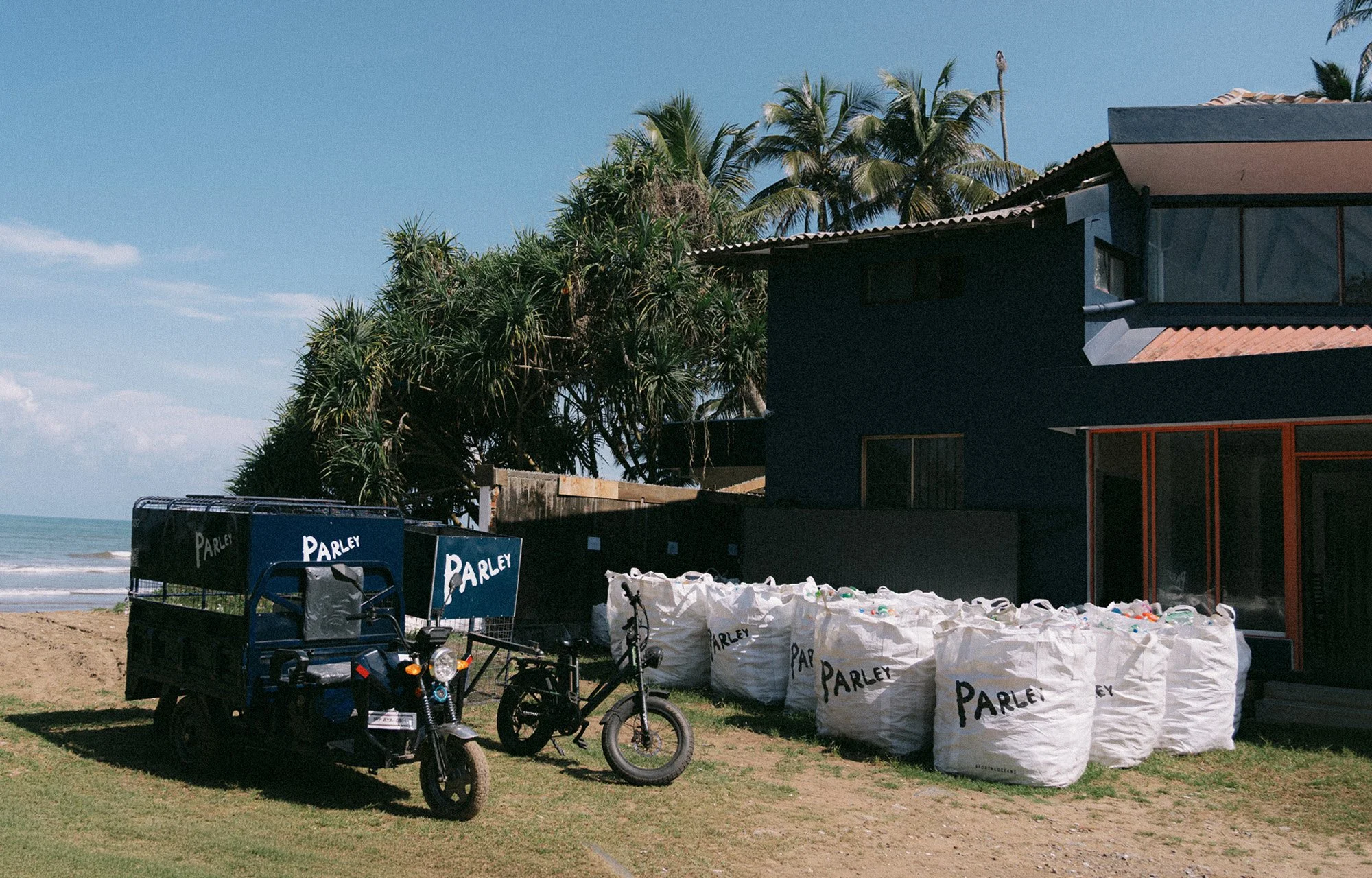
As the sun sets over the Indian Ocean, the gates swing shut for the evening. Security cameras switch on, watching over a modest collection of equipment: sorting tables, stacks of collection bags, and a baling machine humming at the heart of the operation. There is nothing glamorous here. No polished visitor center. No elaborate exhibition. No grand architecture. And yet, this site represents one of the most important environmental infrastructure projects Parley has launched in Sri Lanka.
What began as an empty plot of land has become the country’s first Blue Station: a permanent collection, sorting, education, and coordination hub designed to keep plastic out of the ocean and protect one of Sri Lanka’s most threatened reef ecosystems.
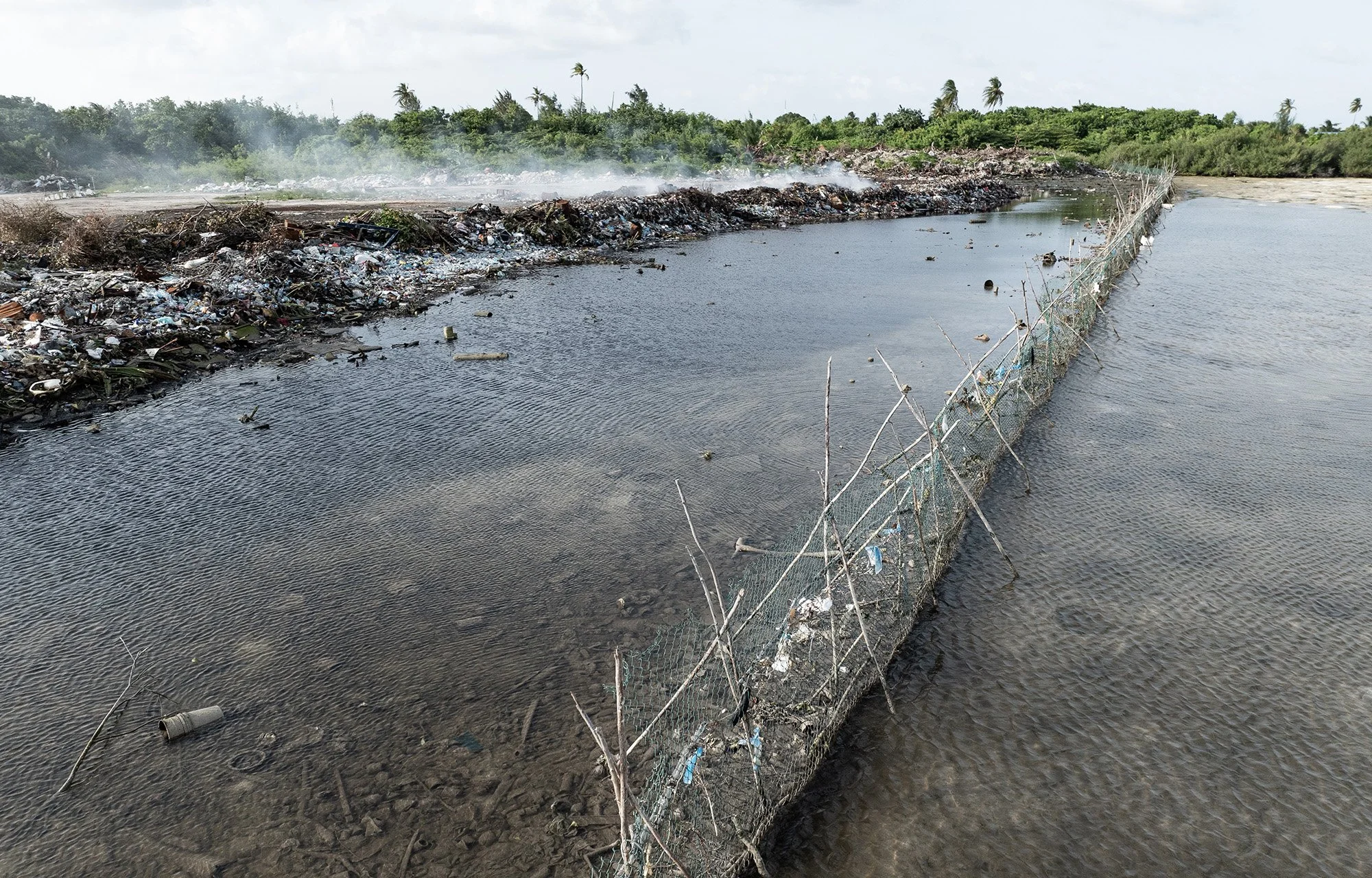
Located on Sri Lanka’s southwestern coast, Beruwala is known for its fishing harbor, vibrant communities and coral reef ecosystems. It is also one of the most heavily polluted coastal areas in the country. Every day, plastic waste from households, markets, schools, restaurants and waterways leaks into the marine environment. Uncollected trash accumulates in drains and canals before being carried into the Indian Ocean, where it threatens coral reefs, fish populations and the livelihoods of coastal communities.
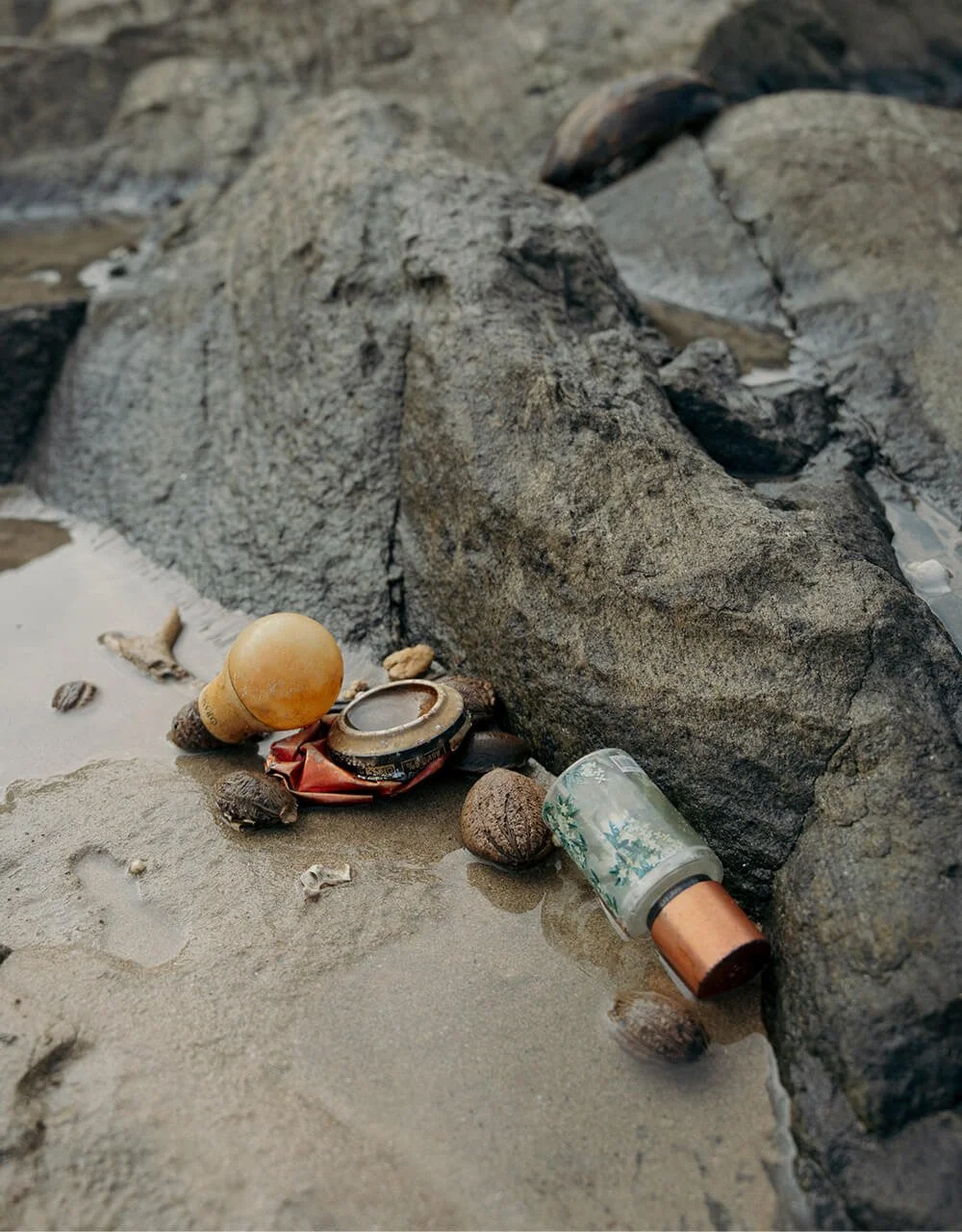
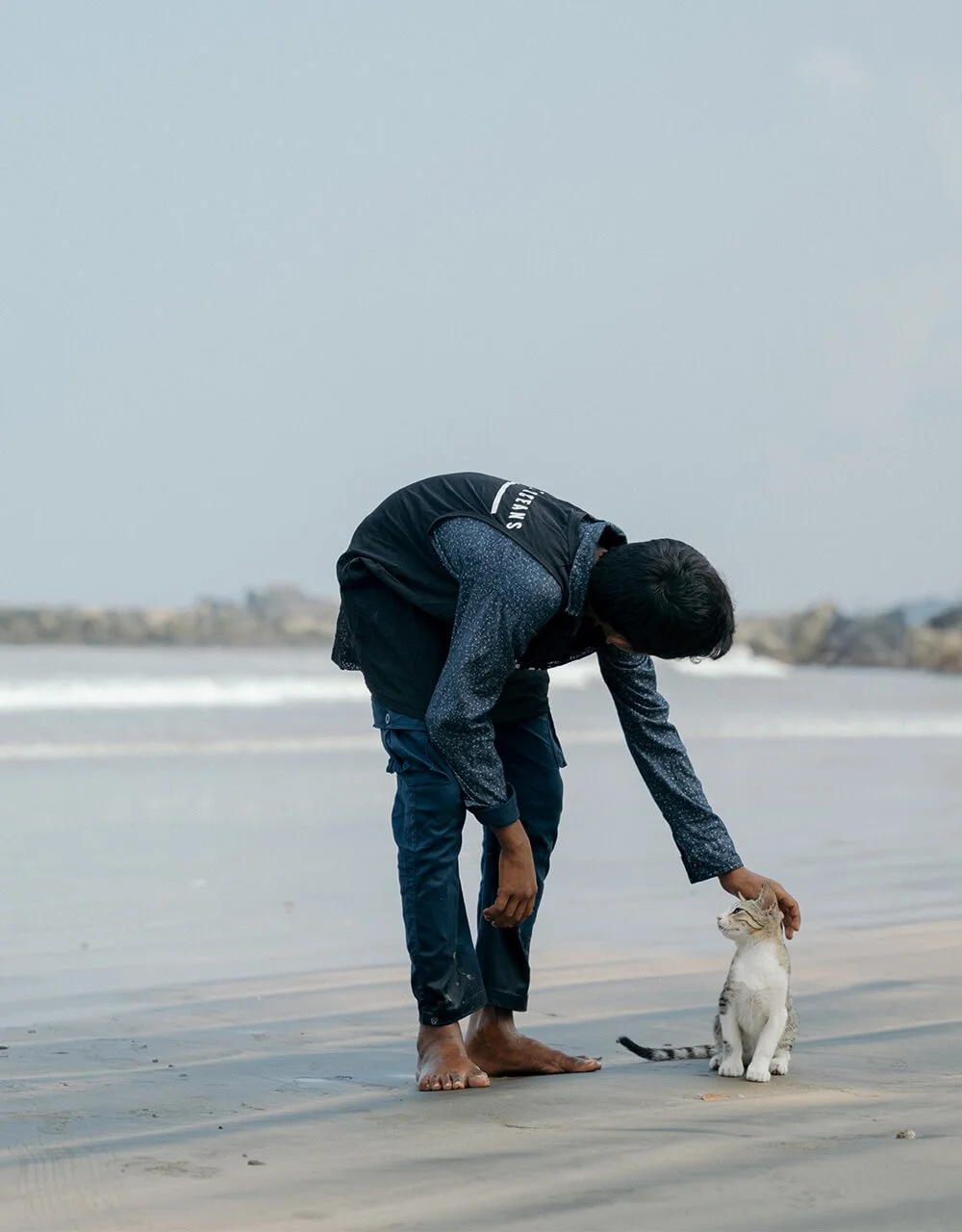
This pollution has a direct impact on the nearby reef system, which is already under stress from warming seas, sedimentation, overfishing and sewage. For Parley Sri Lanka, Beruwala presented both a challenge and an opportunity: if plastic leakage could be reduced at its source, local reef restoration efforts would have a far greater chance of success.
Launched with grant funding from the Global Fund for Coral Reefs (GFCR), and additional support through catalytic finance, the project was designed to create a scalable model that directly links waste management with marine ecosystem recovery. The concept is simple but powerful: Intercept plastic before it reaches the ocean, improve water quality, and ultimately support coral reef recovery.
Rather than treating cleanups as isolated events, the project builds a permanent system capable of operating long after the grant period ends. The goal is not only to remove waste, but to establish a self-sustaining environmental infrastructure that can generate sufficient revenue through plastic recovery and recycling to support ongoing operations.
Nine months in, the renovated abandoned house stands proudly as the first physical Parley hub established in Sri Lanka. It is not a temporary campaign site or pop-up activation, becoming instead a permanent operational center.
The Blue Station serves four core functions:
Aggregation
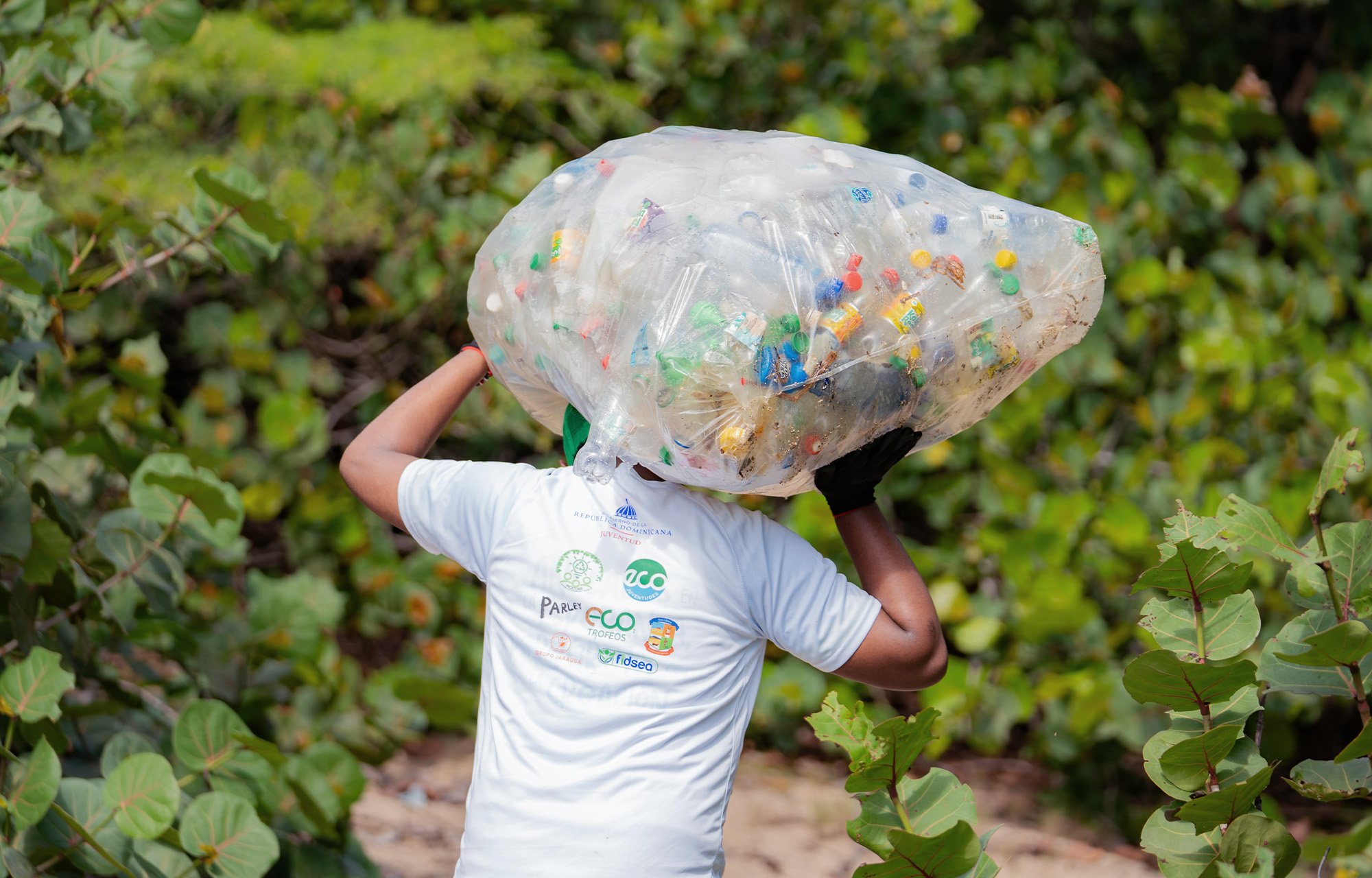
Plastic collected through river booms, community routes, and cleanups is brought to the station.
Sorting
Materials are separated by type and prepared for recycling.
Education
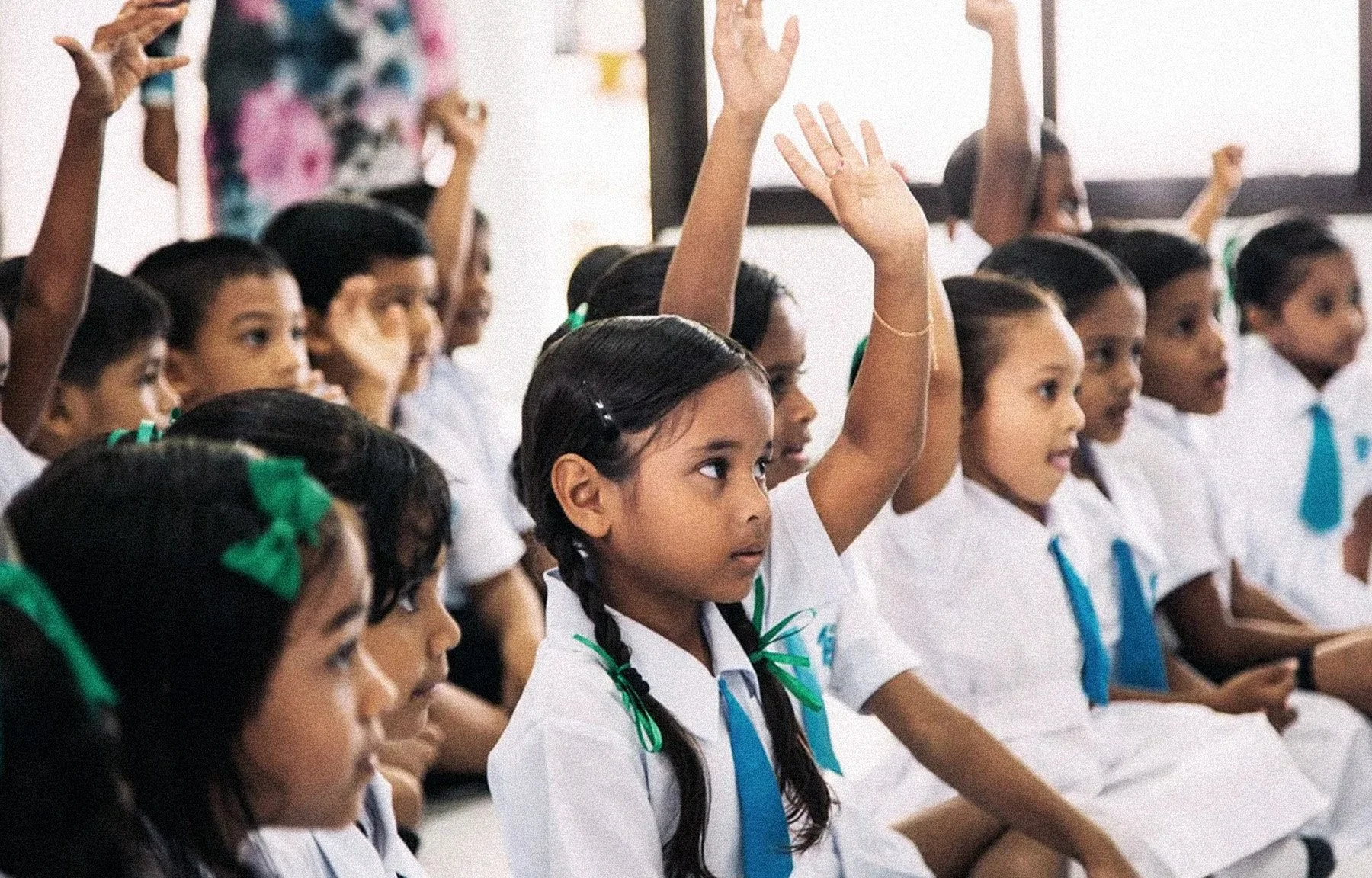
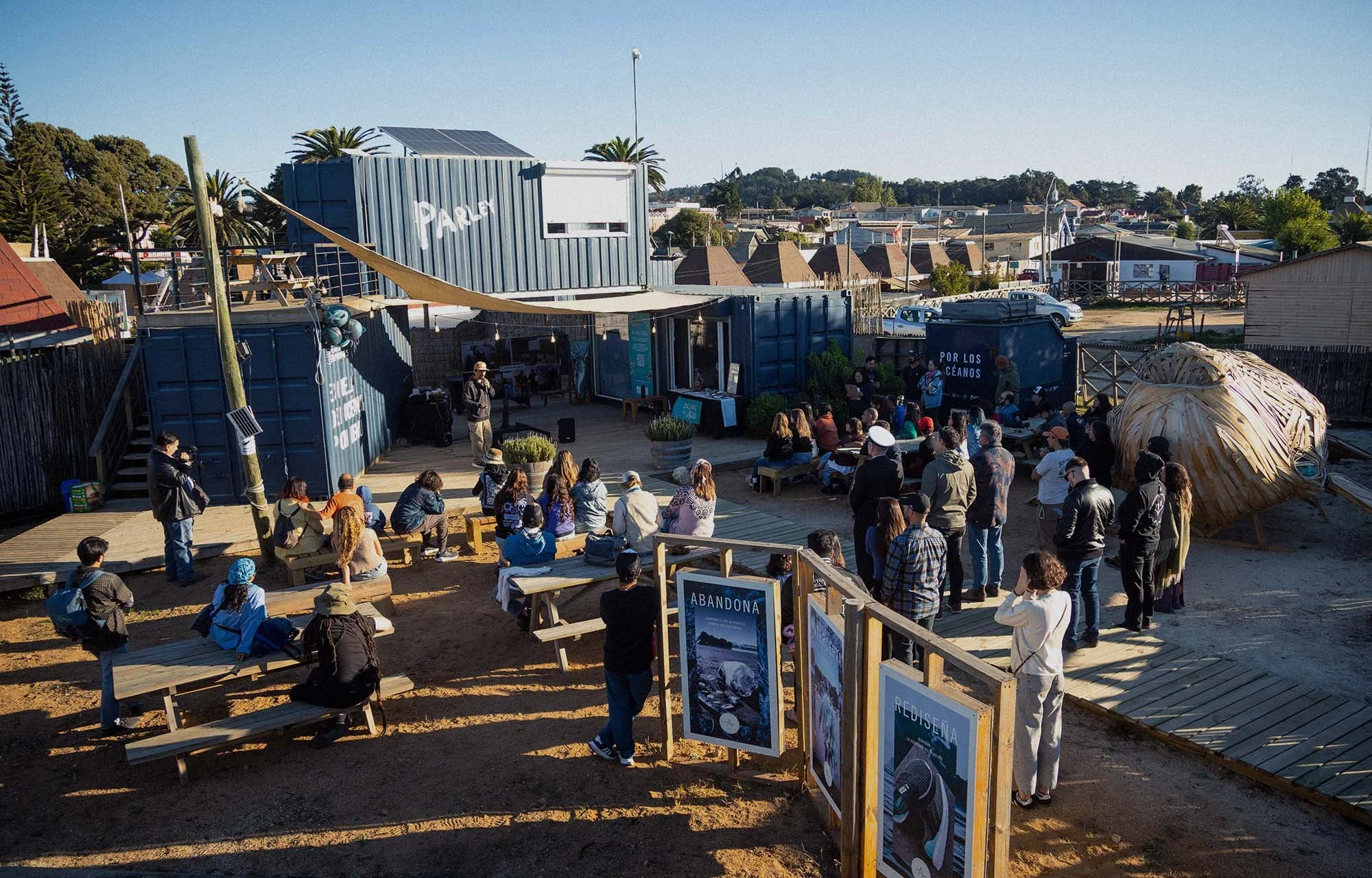
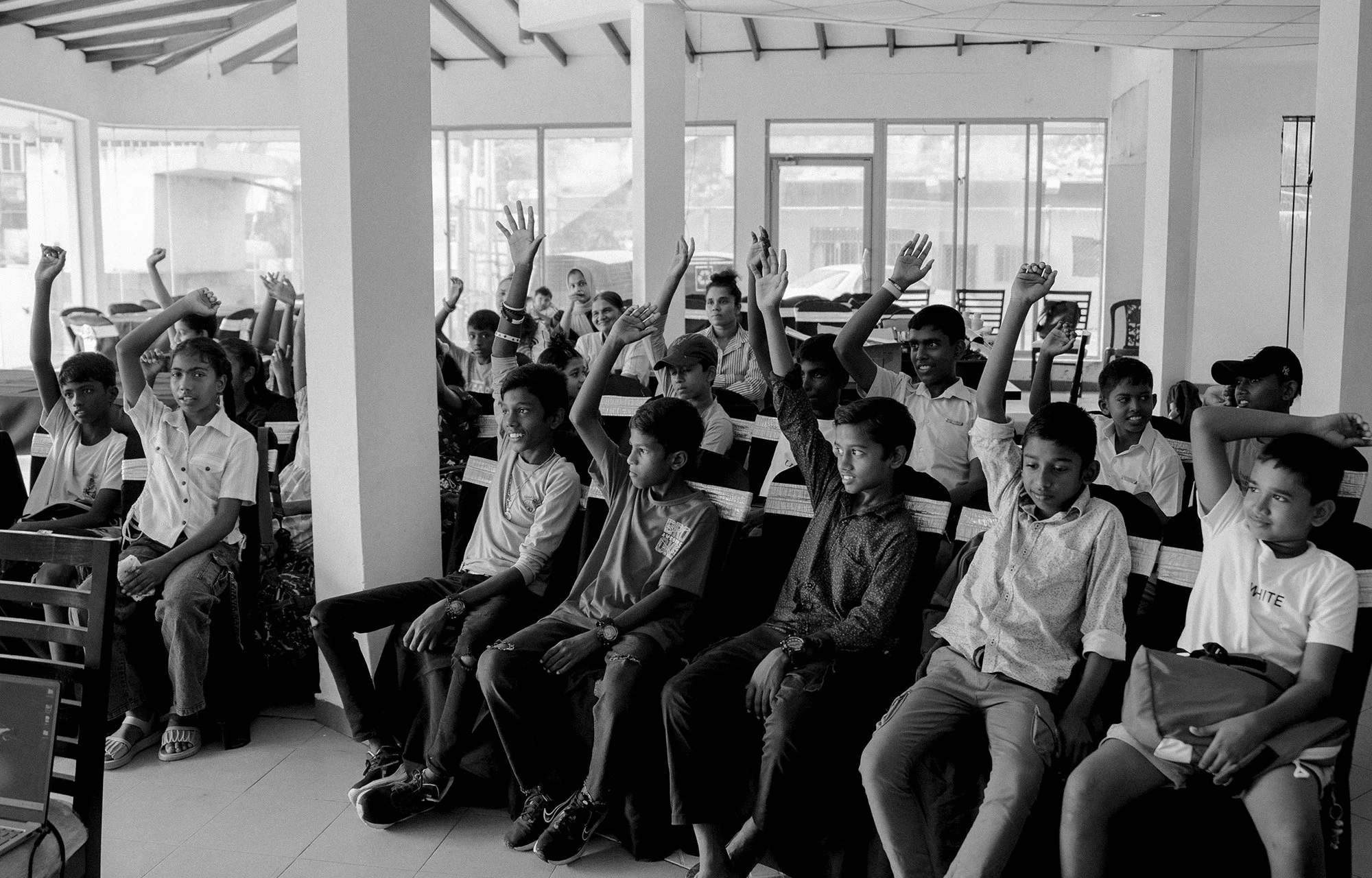
Schools, community groups, and partners use the station as a place to learn about plastic pollution and ocean health.
Coordination
The site functions as the logistical base for field teams, partner meetings, and program planning.
The Blue Station transforms Parley’s work from event-based intervention to long-term infrastructure. It provides a tangible proof point for funders, government agencies, and community stakeholders — and a blueprint for future replication across Sri Lanka.
Closing the Collection Gap
One of the most pressing challenges in many Sri Lankan communities is not a lack of awareness, but a lack of reliable collection systems. Residents are often willing to separate their plastic waste, but local waste services may be inconsistent or delayed. As a result, plastics are burned, dumped, or washed into waterways. The Beruwala project addresses this gap directly.
Using 15 strategically placed collection bins, 50 community collection bags, and four electric cargo bicycles, Parley created a carbon-neutral system that collects plastic from households, schools, businesses, and coastal institutions. A fleet of e-bikes navigate narrow roads and dense neighborhoods, picking up segregated materials on a consistent schedule. Once collected, the plastics are transported to the Blue Station, baled, and sent to local recycling partners for further processing.
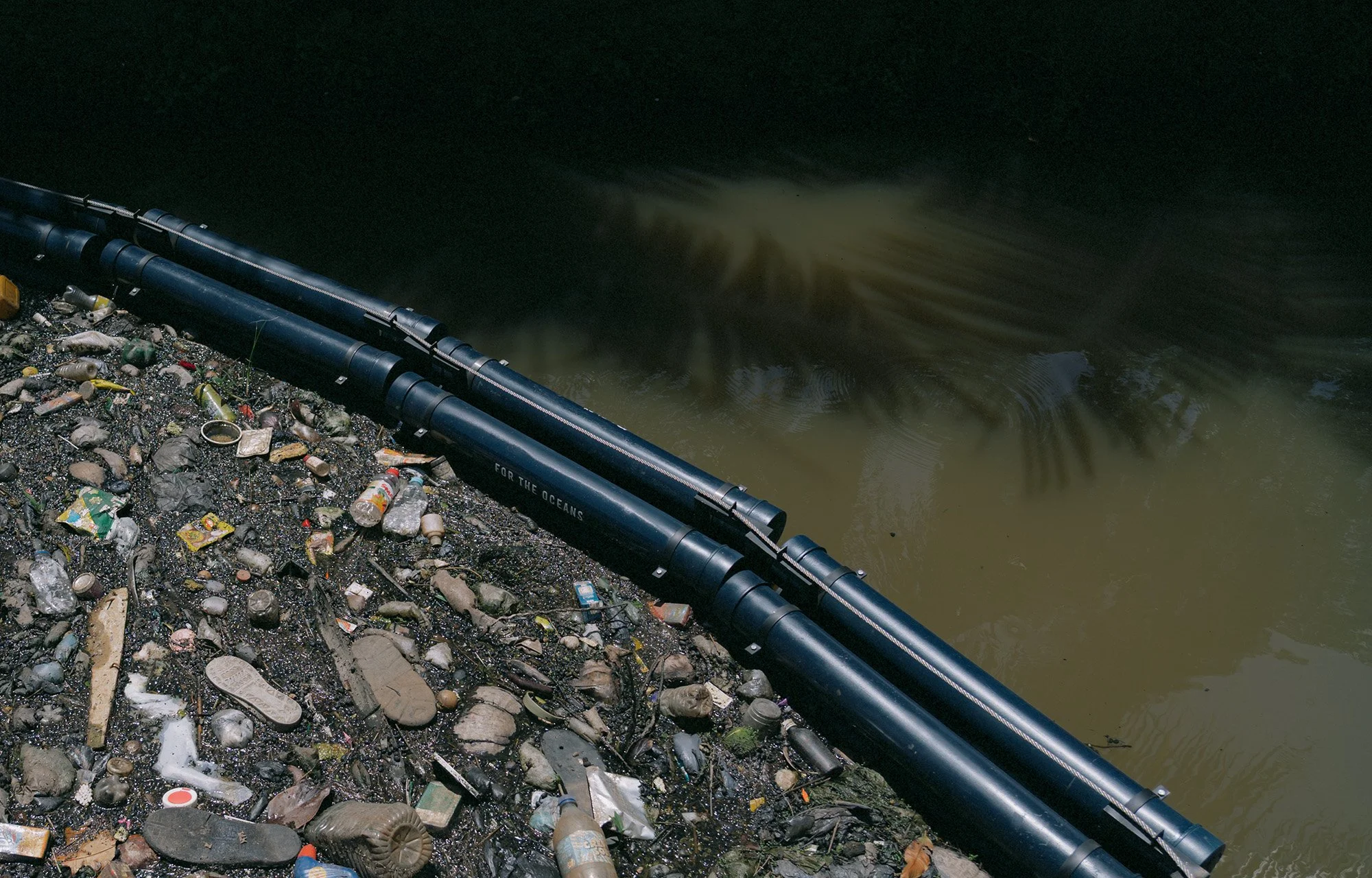
Stopping plastic at the coastline is only part of the solution. To prevent waste from traveling downstream, five river booms were installed in key waterways around Beruwala. These floating barriers capture plastic before it reaches the sea, allowing teams to recover significant quantities of debris that would otherwise disperse into coral habitats and fishing grounds.
Together, the river booms, collection routes, and Blue Station form an integrated recovery system that addresses plastic leakage at multiple points along the waste pathway.
Education as the Foundation of Change
Infrastructure alone cannot solve plastic pollution. Long-term change depends on people. Following the Parley AIR Strategy—Avoid, Intercept, Redesign—the project combines operational systems with extensive education and community engagement.
As of May 2026, 51 education programs have been completed, exceeding the original target of 48.
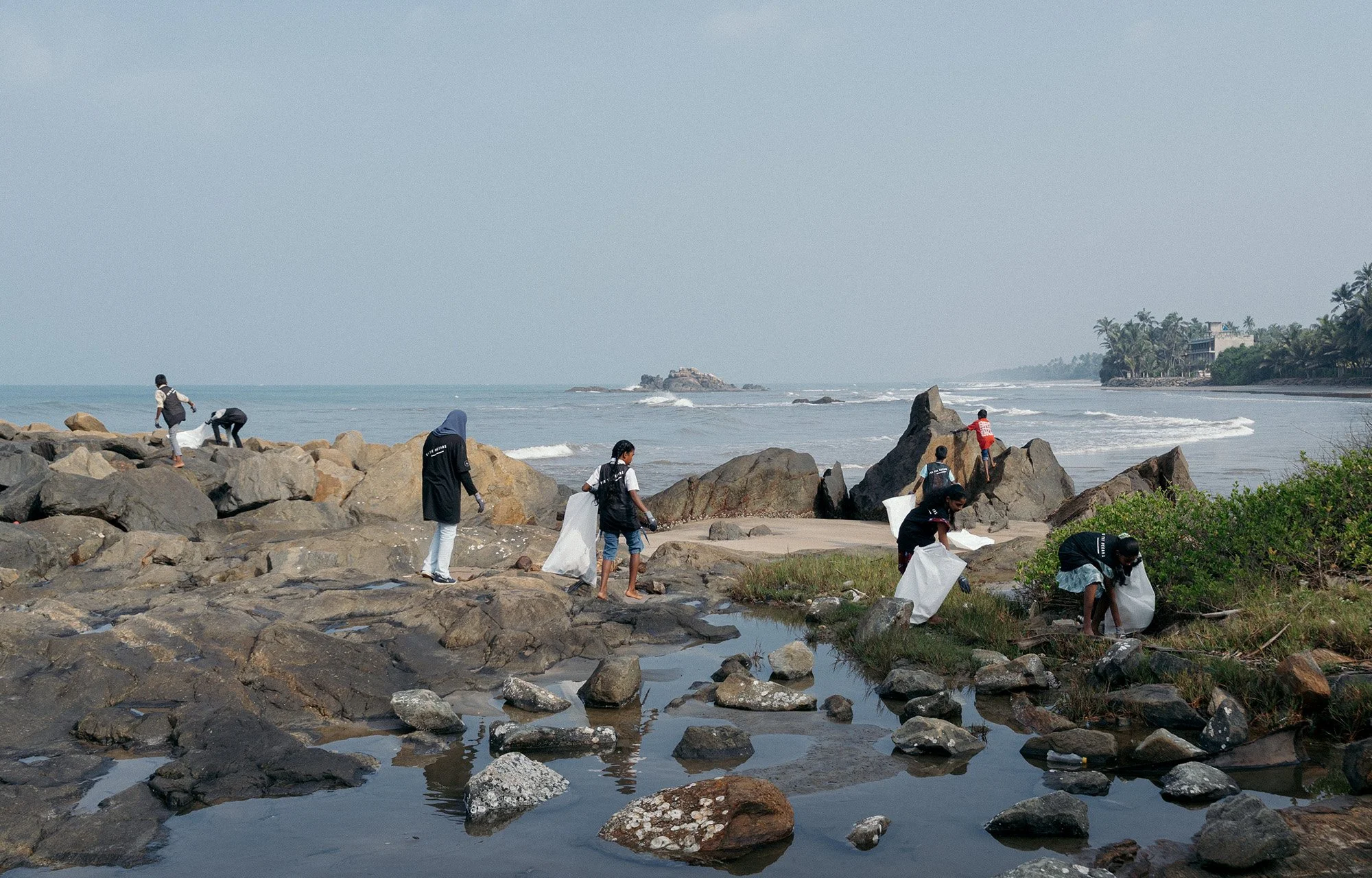
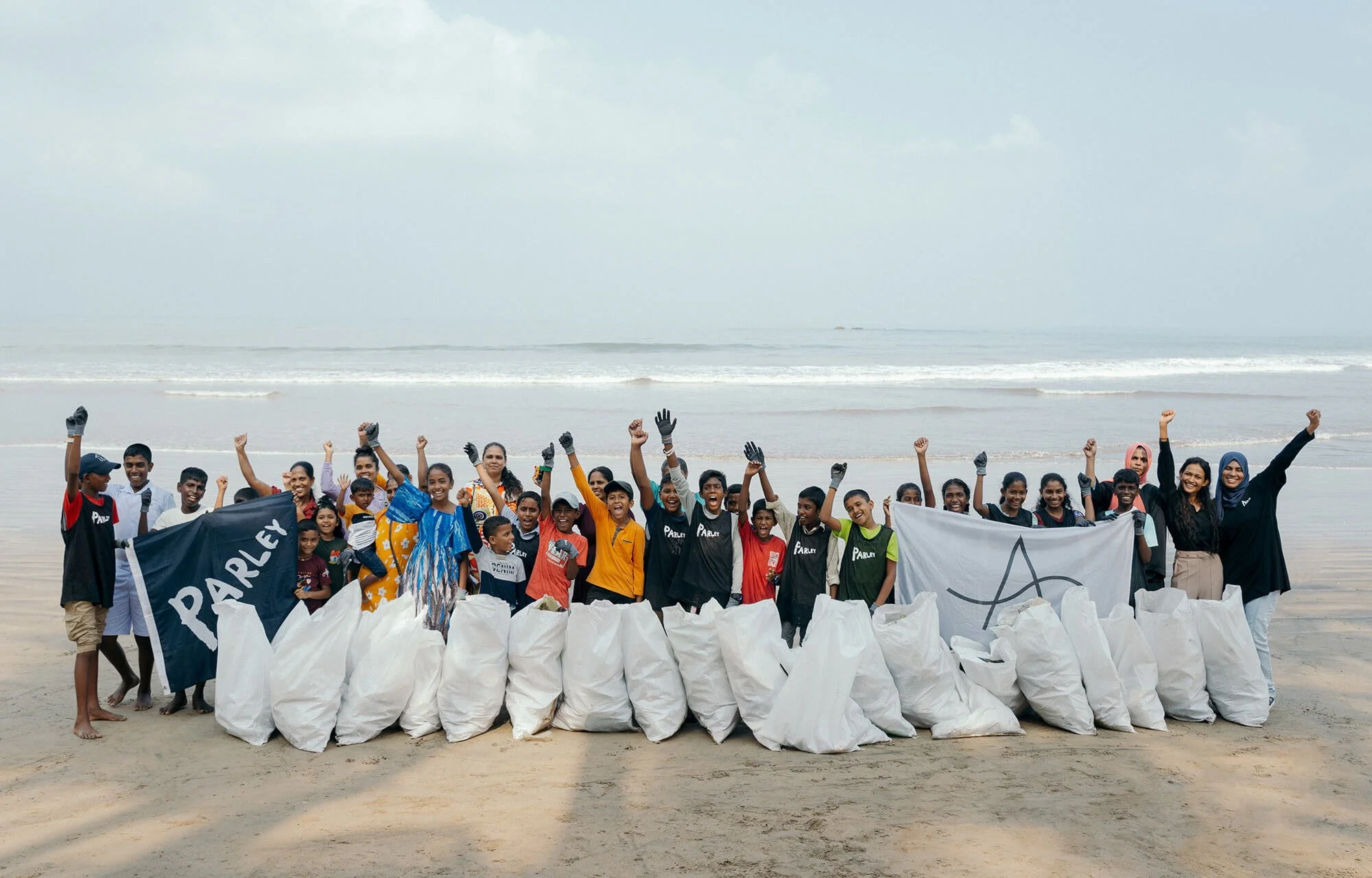
More than 38 cleanups have been carried out, with 54 planned by project completion. Thousands of students, teachers, fishers, hospitality staff, and community members have participated.
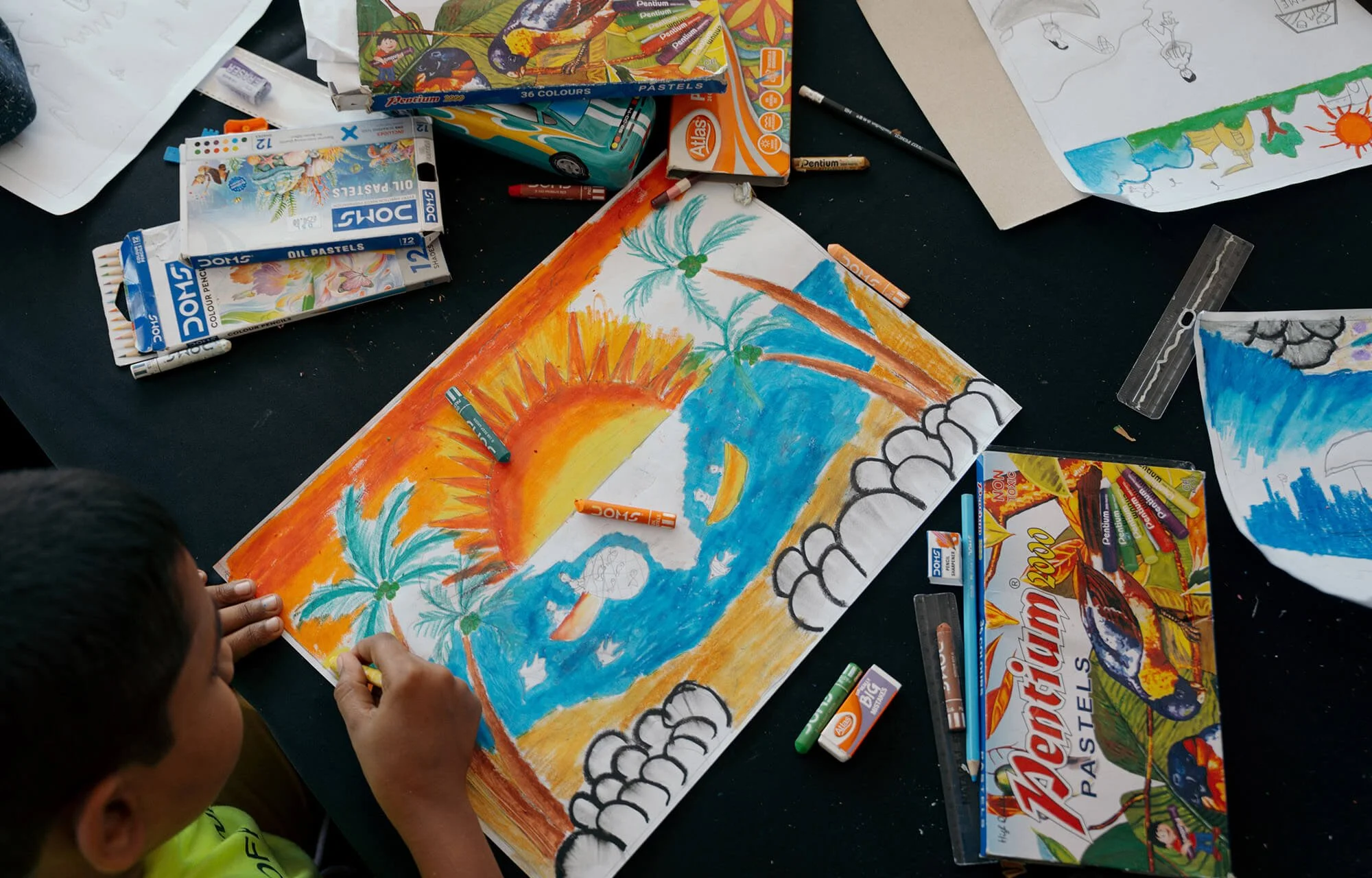
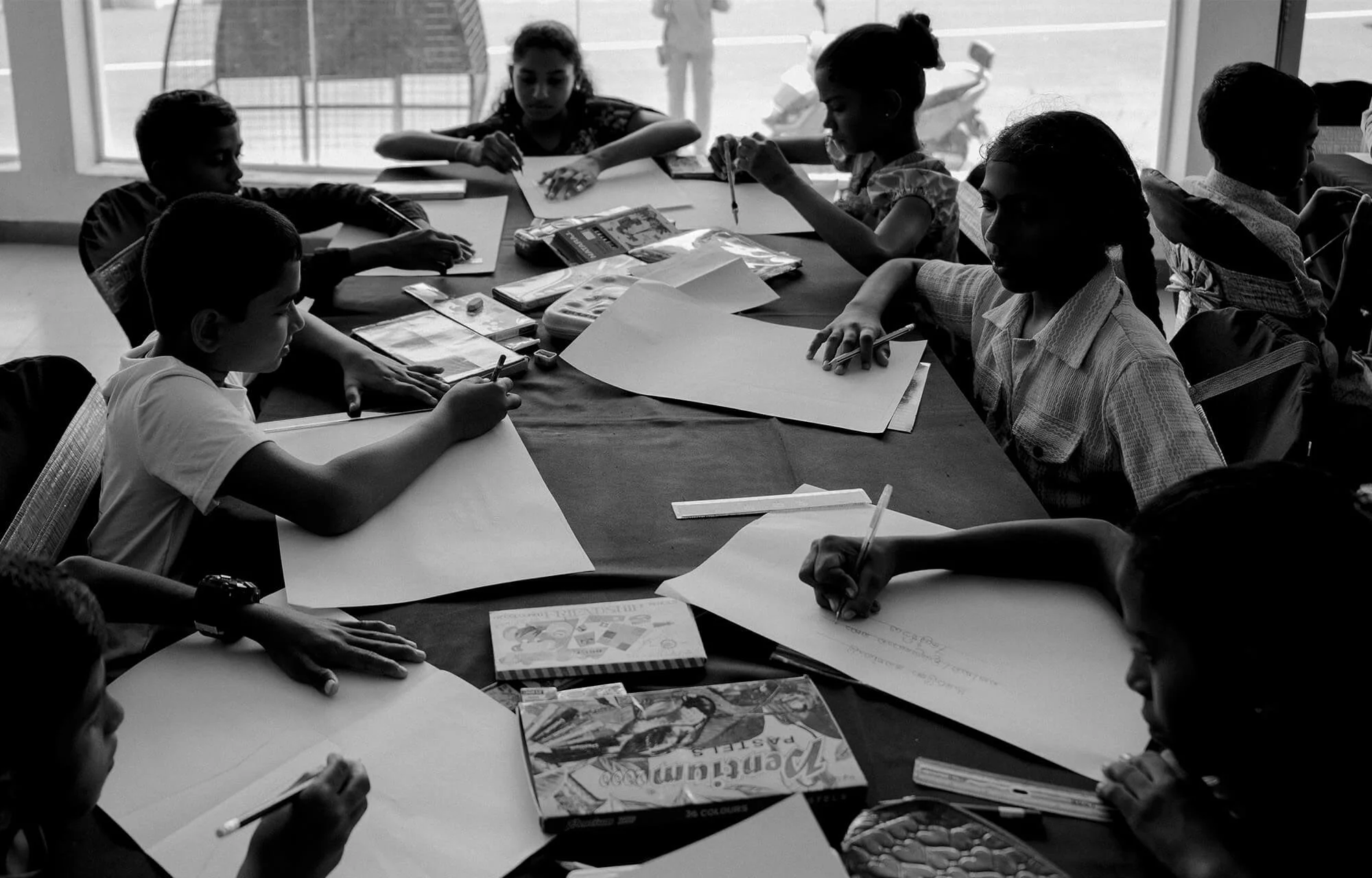
Programs are conducted with schools, universities, women’s associations, fishing communities, and religious institutions representing Muslim, Buddhist, and Catholic traditions. Participants learn how plastic affects ecosystems, food systems, and human health, and how practical actions such as source segregation can significantly reduce marine pollution.
Cleanups as Catalysts for Community Action
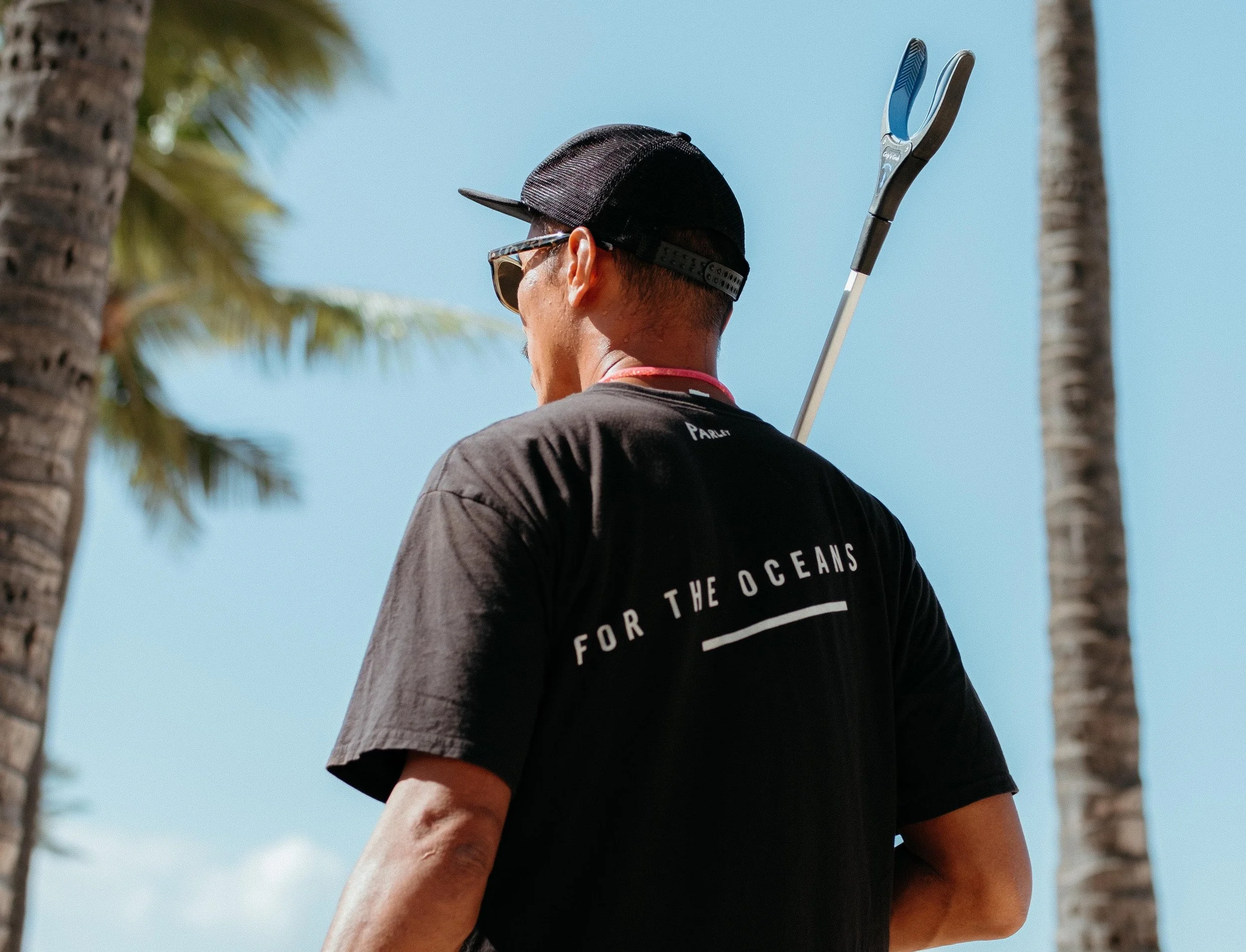
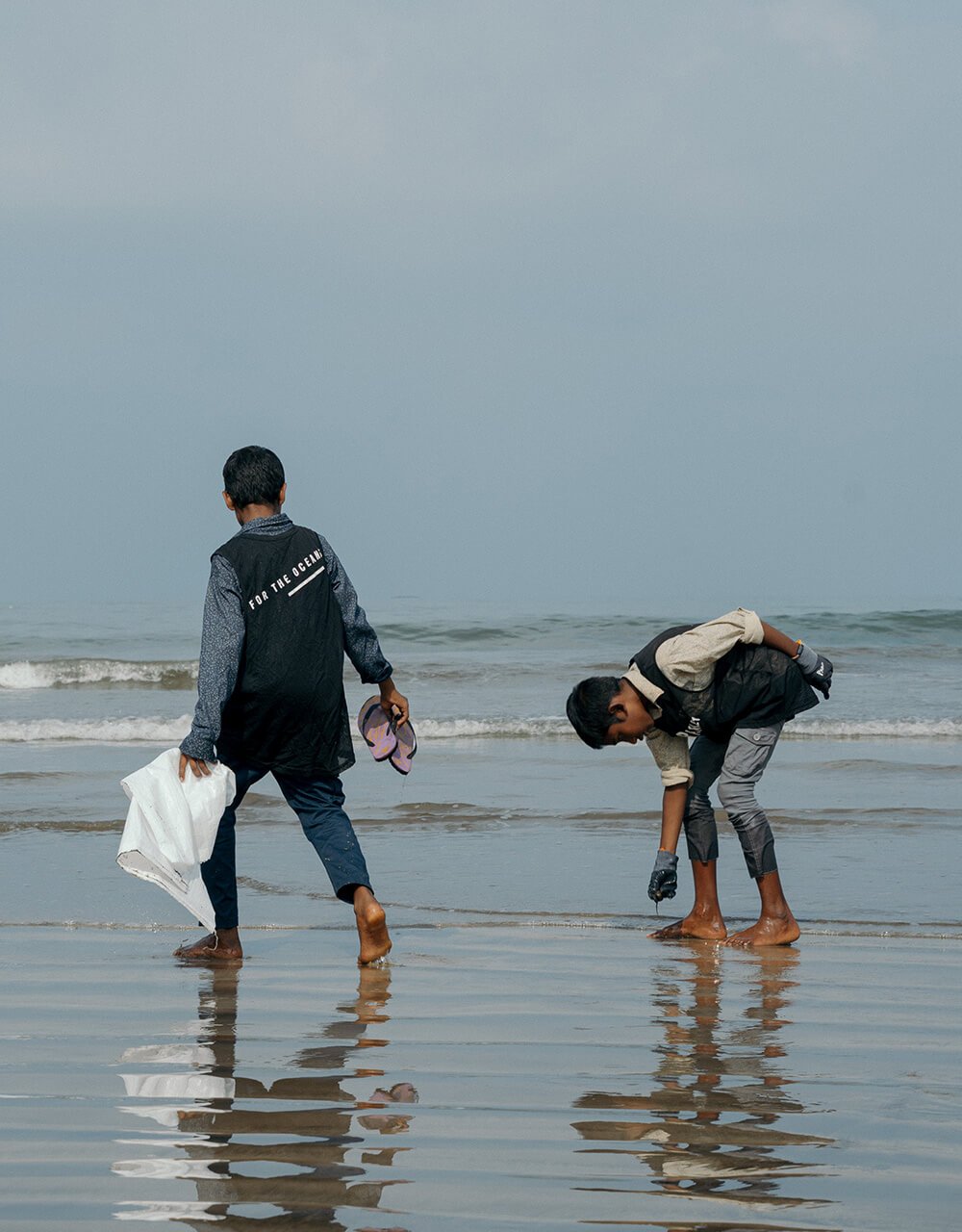
Parley cleanups are never just about removing waste. In Beruwala, each cleanup event creates a highly visible moment of collective action, bringing together students, volunteers, local authorities, and businesses, where the impact extends beyond those directly involved. Residents, passersby, and neighboring communities witness what is removed from their beaches and waterways—and begin to understand the scale of the problem.
As Haleema, Cleanup Coordinator for Parley Sri Lanka, explains: “Cleanups are more than removing waste—they unite youth and communities with the ocean they protect. Through action, they create awareness not only among volunteers but also among those who witness it, revealing the true state of our beaches and the impact of pollution. Small collective efforts can inspire change and create lasting impact for our oceans.”
Coral Reef Restoration and Protection
The ultimate purpose of the project extends beyond waste management. It’s about reef recovery. Parley Sri Lanka collaborates with the University of Moratuwa on coral restoration and replantation efforts in the reef system adjacent to Beruwala.
By reducing the flow of plastic and improving water quality, the project addresses one of the local stressors that undermine coral survival and regeneration. This creates a direct and measurable connection between community-based waste management and ecosystem restoration. Plastic intercepted upstream becomes cleaner water downstream. Cleaner water gives corals a better chance to recover.
A Coalition of More Than 50 Partners
No single organization can solve coastal pollution alone. The Beruwala project is powered by one of the broadest place-based environmental coalitions Parley has built. More than 50 partners contribute across government, academia, hospitality, civil society, and community institutions.
These include:
Marine Environment Protection Authority (MEPA), Beruwala Urban Council and Pradeshiya Sabha, Ceylon Fishery Harbour Corporation, University of Moratuwa, Ocean University of Sri LankaCurtin University Colombo, Local schools and pre-schools, Religious institutions and madrasas, Hotels and beach resorts, Women’s associations and welfare groups, and more.
This coalition demonstrates that effective environmental work depends as much on social infrastructure as on physical infrastructure.
A Self-Sustaining Model
Many environmental projects end when funding ends. Infrastructure falls into disrepair. Communities lose momentum. Promising initiatives fade away. The Beruwala Blue Station was designed to avoid this pattern.
Recovered plastics generate revenue through recycling, helping cover operational costs and supporting local employment. The objective is to create a center that can increasingly sustain itself financially over time. This approach reflects a fundamental principle: conservation systems must work economically as well as environmentally if they are to endure.
A Blueprint for Sri Lanka’s Coastal Future
The significance of the Beruwala project reaches far beyond one town. It demonstrates a practical and replicable model:
River booms intercept waste upstream
Community collection systems close local gaps
Electric bicycles provide carbon-free logistics
A Blue Station anchors operations
Education builds long-term behavioral change
Coral restoration links local action to ecosystem recovery
This integrated model can be adapted to coastal communities across Sri Lanka and beyond.
Looking Ahead
The first project phase officially concluded in June 2026, but our impact is only beginning. The Blue Station remains. The partnerships remain. The knowledge, systems, and community ownership remain.
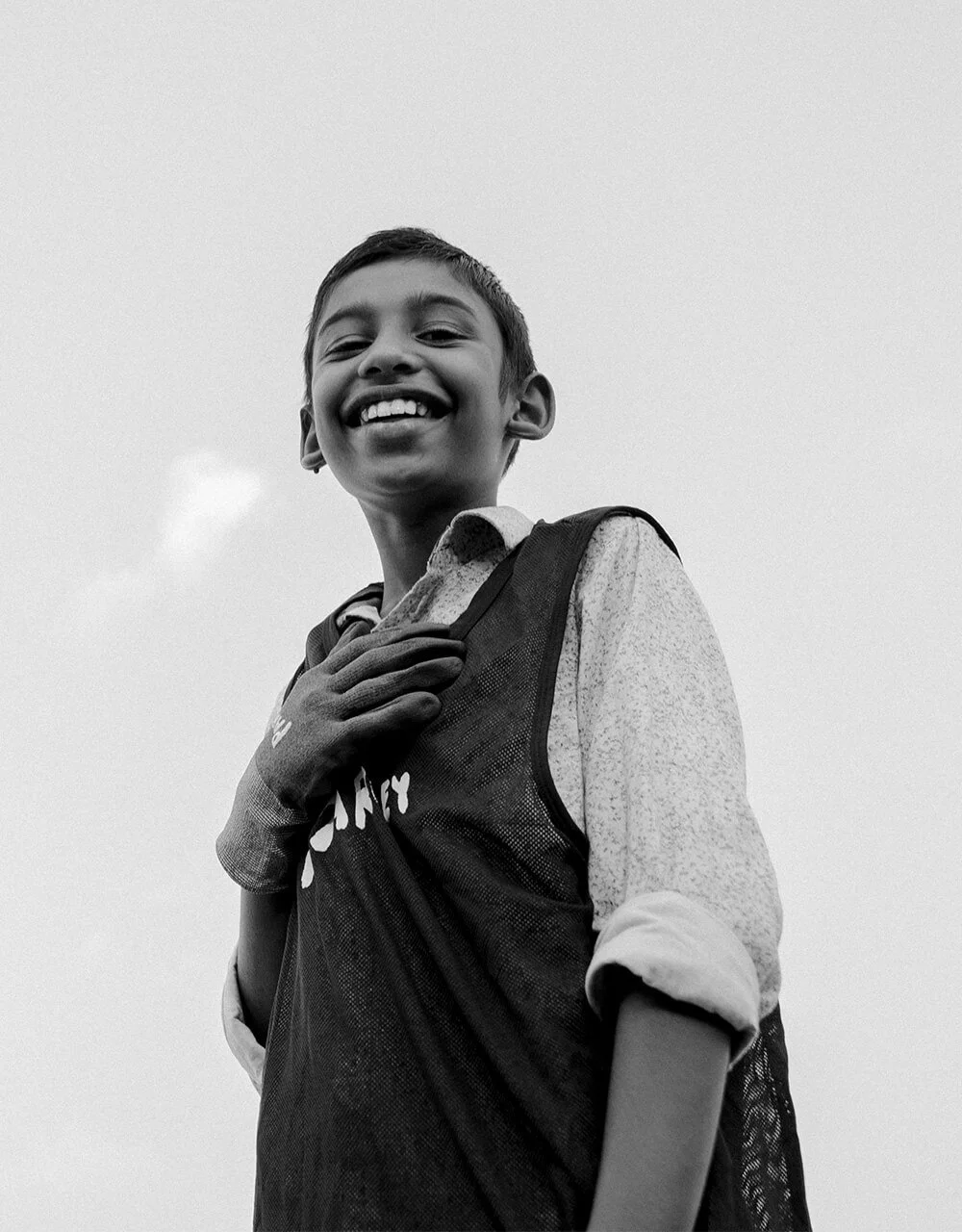
What was once an empty site in Beruwala has become a permanent foundation for protecting Sri Lanka’s coastlines and coral reefs. As Philip Zerr, Country Director of Parley Sri Lanka, reflects: “We are happy how the community comes together to address plastic pollution and environmental and ocean health. While there is still a long way to go, the ice broke. Especially the smiling faces of kids always remind you—this is the way. For the Oceans. For Climate. For Life.”
To support the Blue Station, make a donation or get in touch with the team.
READ MORE