Field Notes
In this special edition, We visit the parley air station in chile as the team celebrates two years of ocean education and action

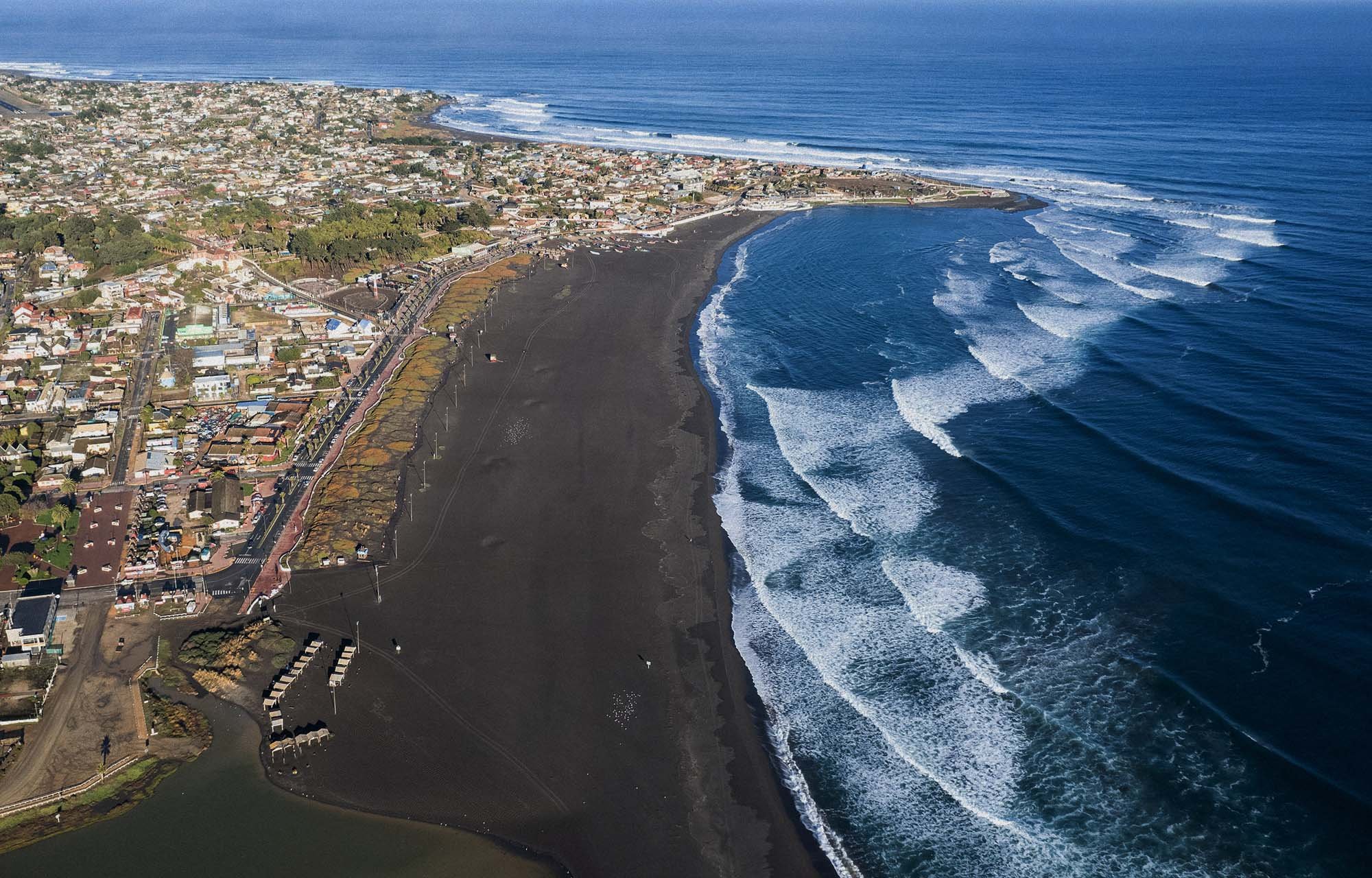
On the exposed Pacific edge of Pichilemu in Chile, the coastline is defined by the constant waves rolling in from the Southern Ocean. At Punta de Lobos, a powerful left-hand point break peels across dark rocks and kelp fronds, drawing surfers from around the world. It’s a special place – where the surf spot sits within a rich coastal ecosystem. The cold, nutrient-dense water supports marine life that’s visible even from the lineup: southern right whales, fin whales, sperm whales, orcas, sea lions, sea turtles and both Humboldt and Magellanic penguins.
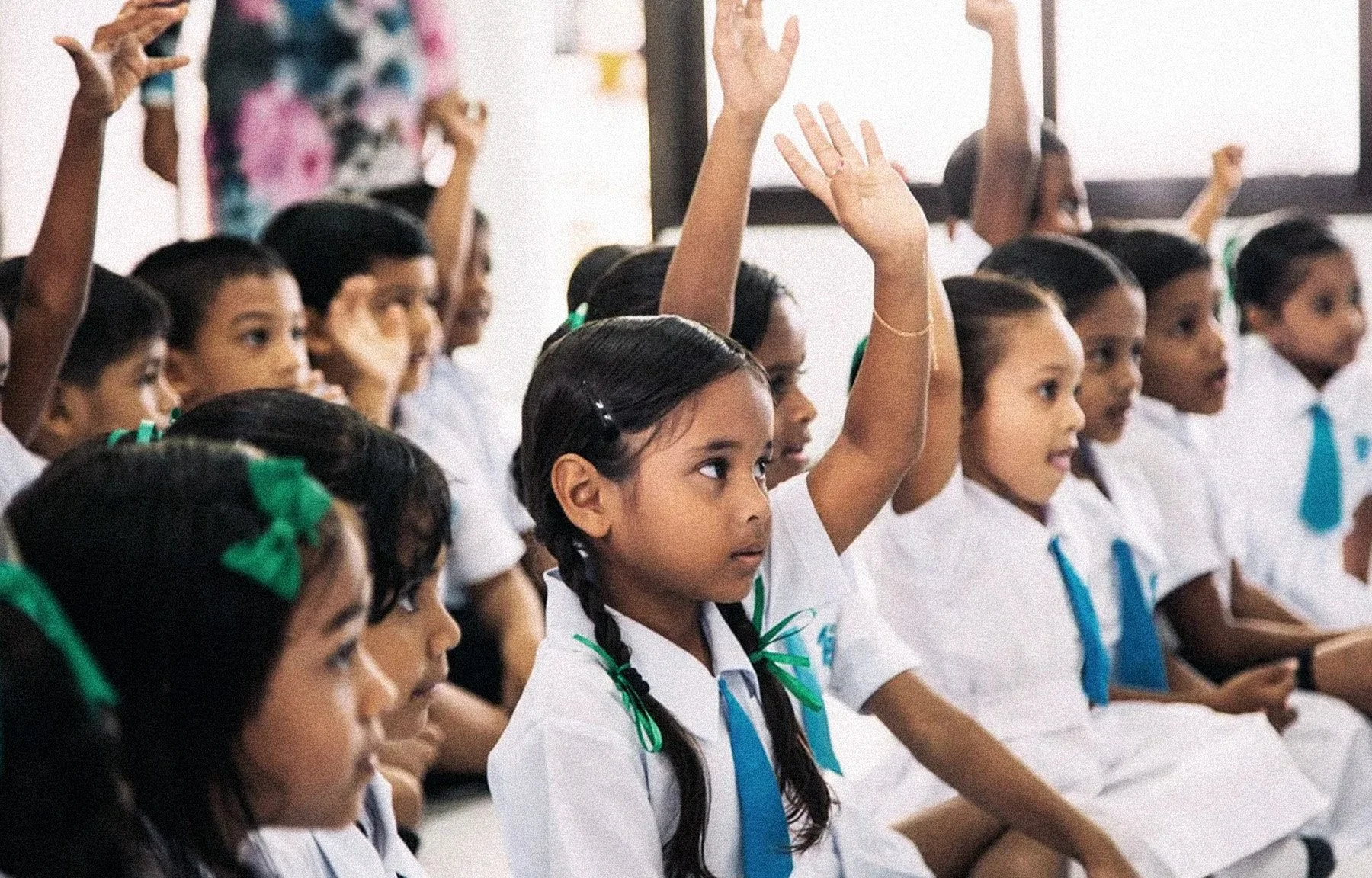
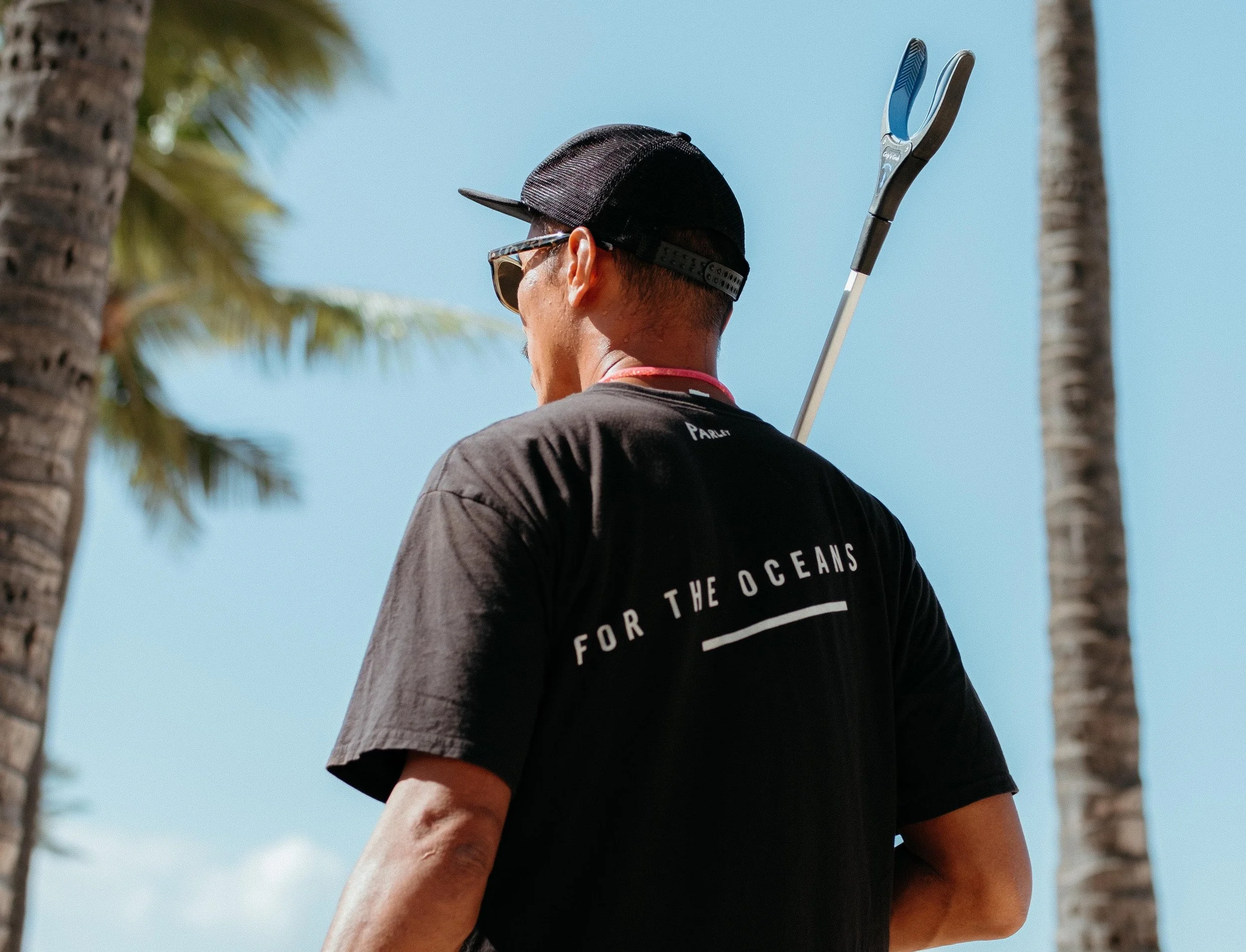
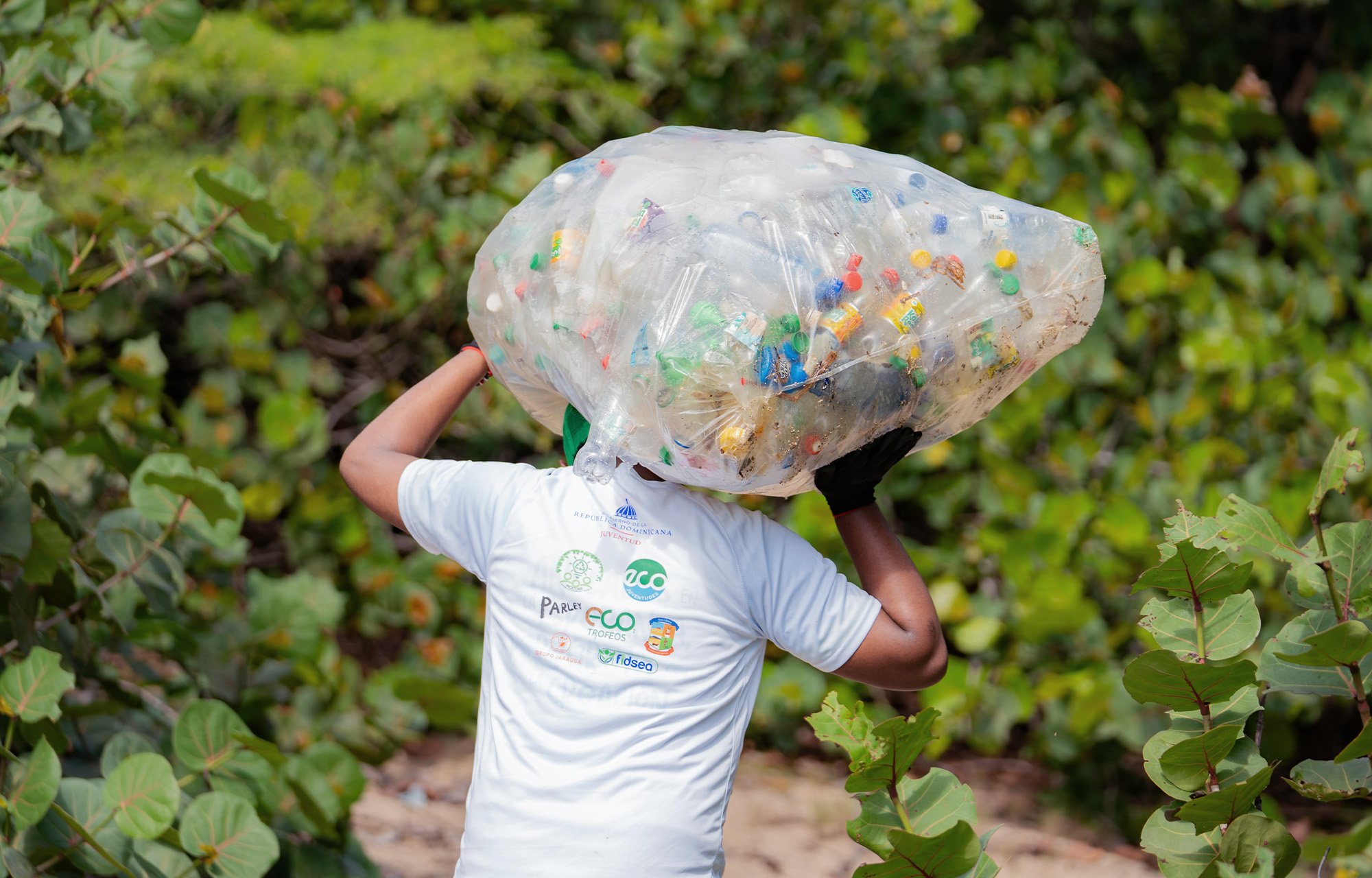
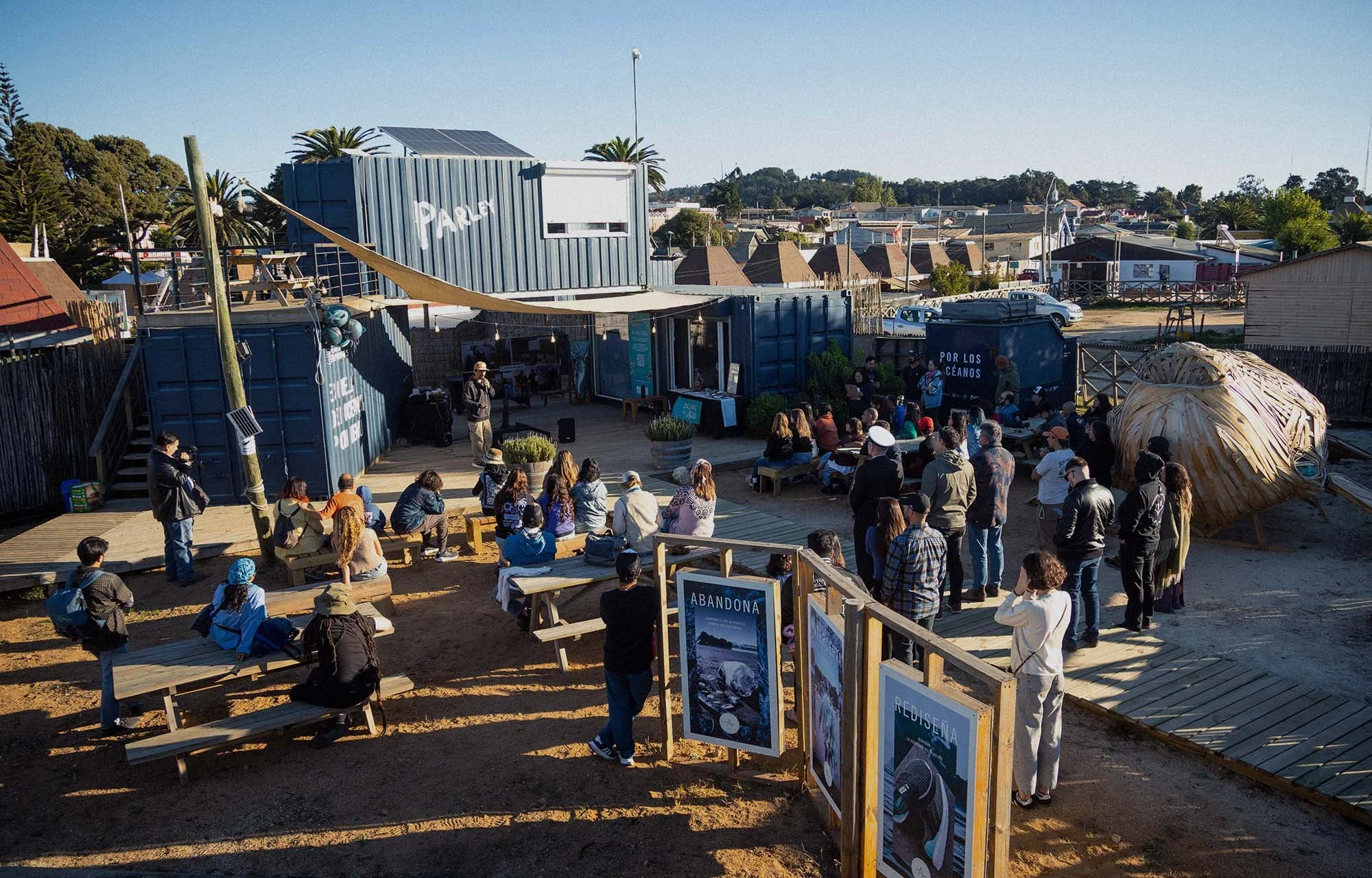
Just steps from the beach here, the Escuela del Océano has been welcoming surfers, students, scientists, artists, visitors and local residents for two years now. A joint venture between Parley Chile and the local Fundación Rompientes, the waterfront space is built from modular shipping containers like our other Parley AIR Stations, and brings people together around ocean education and action. Since 2024, more than 2,300 people have visited, including over 1,000 students. Our team has run 90 workshops, hosted 40 school visits, and organized 46 beach cleanups, removing over 9,000 kilograms of waste in the process. More than 1,200 volunteers have taken part, and the initiative has helped generate 100 local jobs along the way.
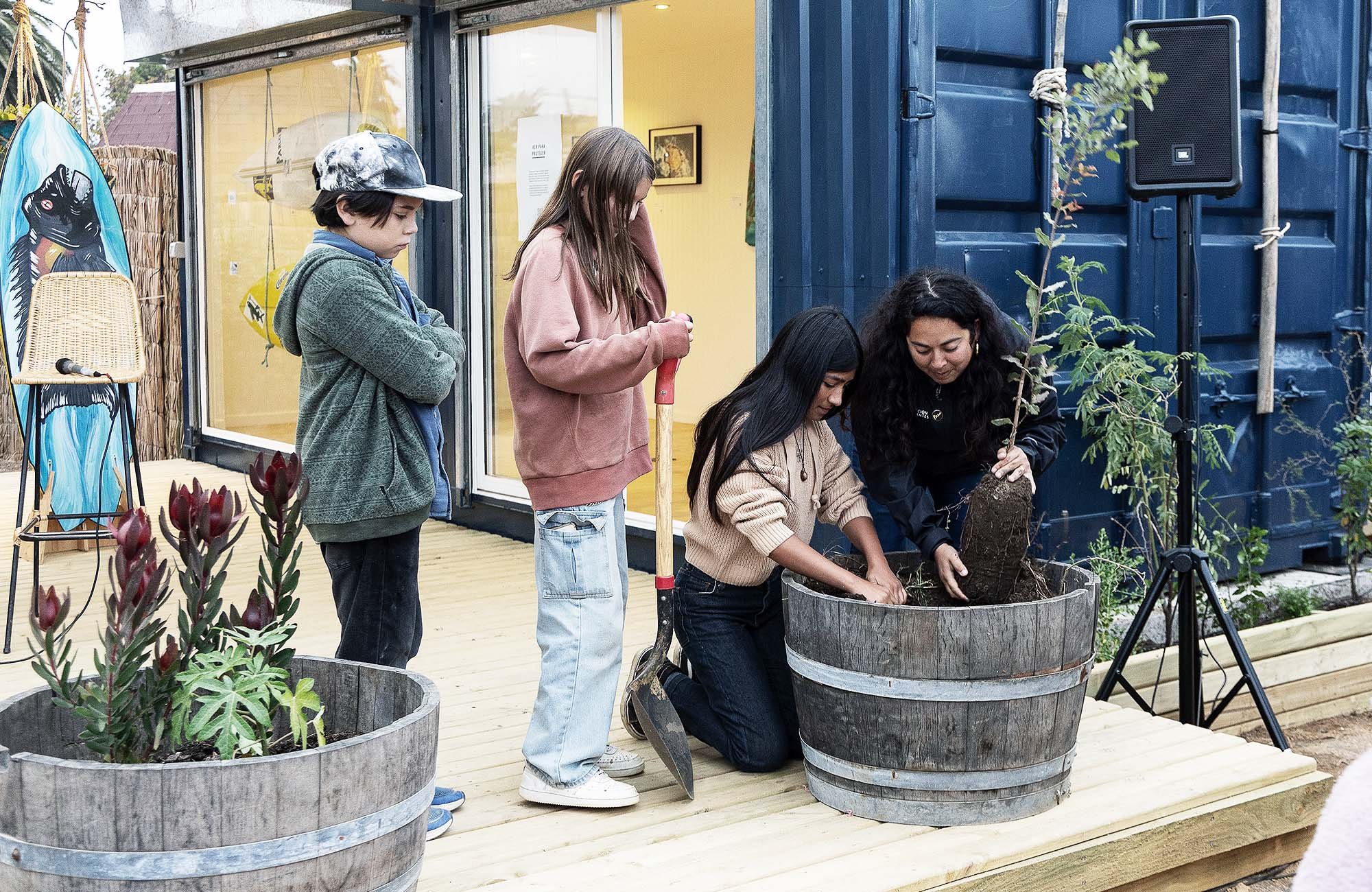
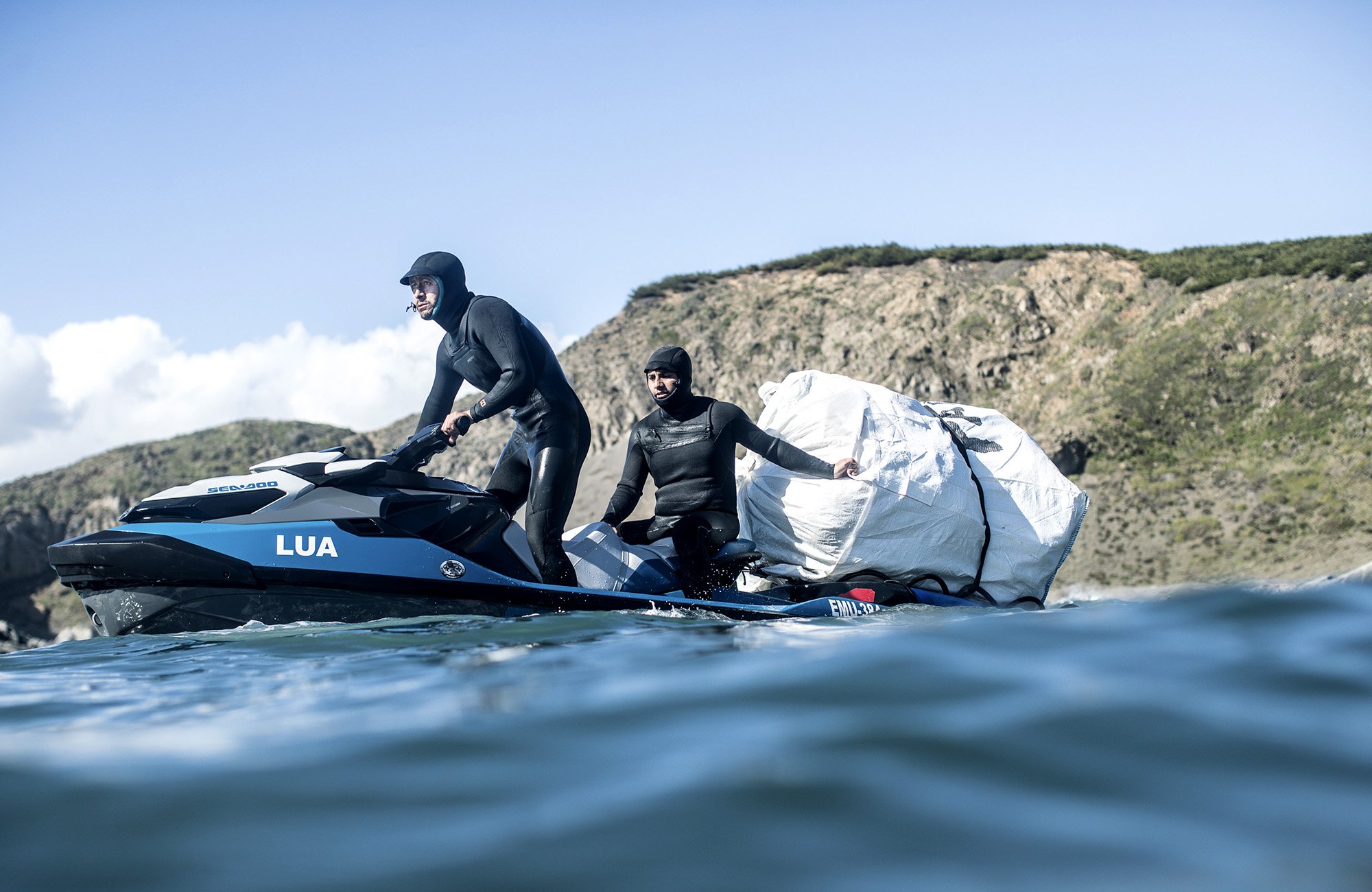
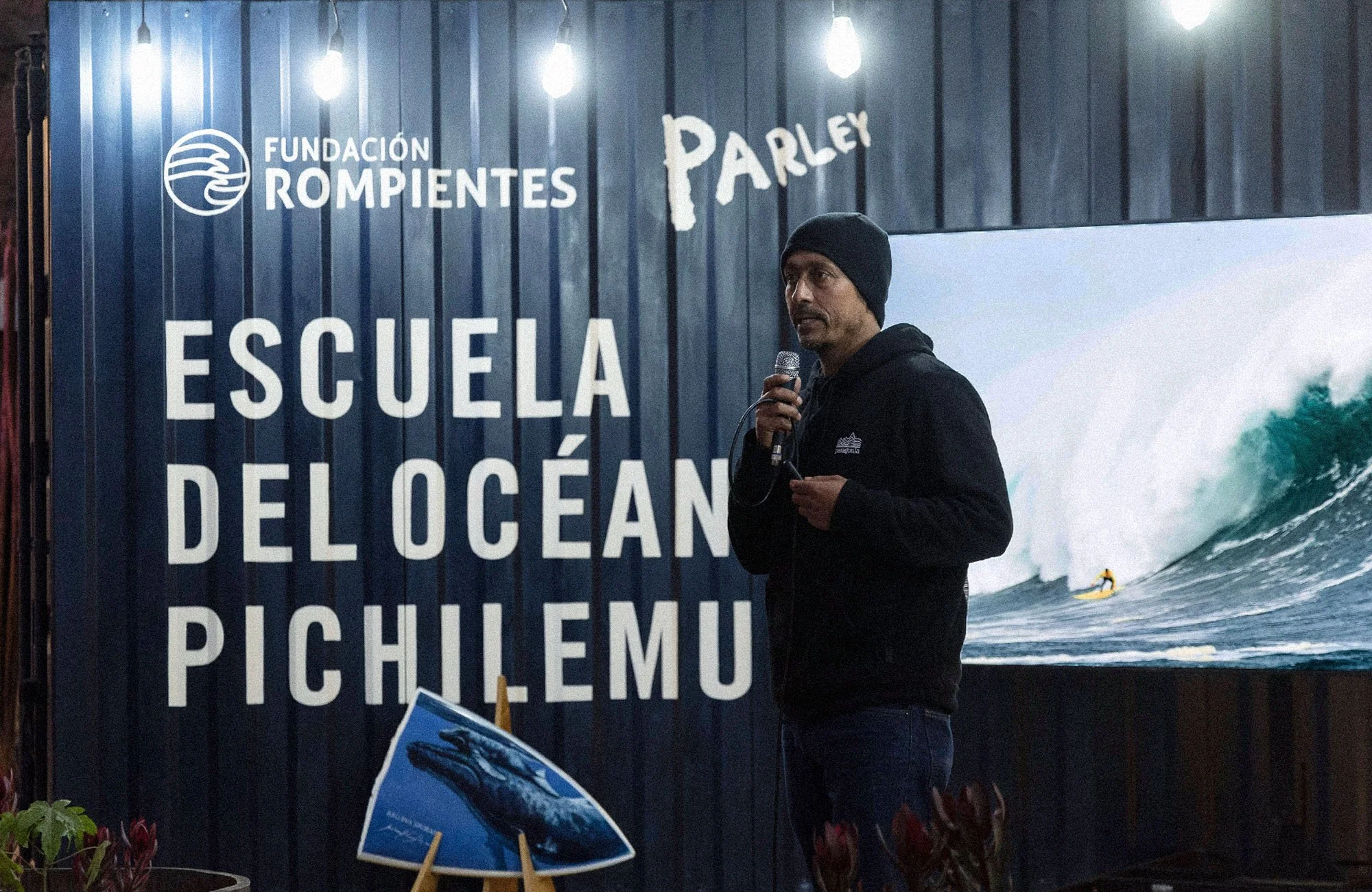

The AIR Station is built around four pillars—education, eco-innovation, science, and direct action—but in practice, those lines blur. Learning turns into action, and action feeds back into learning. It’s not just about talking about the ocean: it’s about residents and visitors building a real relationship with it. Programs range from ocean literacy workshops and environmental brigades to exhibitions, talks, and even a social surf school. Everything is designed to help people not just understand the ocean, but feel connected to it.
The “Piedra del Viento – Topocalma Nature Sanctuary” initiative, developed in the Escuela’s second year, focuses on something surprisingly simple: helping people see what’s already around them. Funded by FNDR 8% and led by filmmaker Cristóbal Santa María, the project uses short audiovisual pieces to tell the story of the local landscape: its wetlands, surf breaks, coastal ecosystems and the species that call it home.
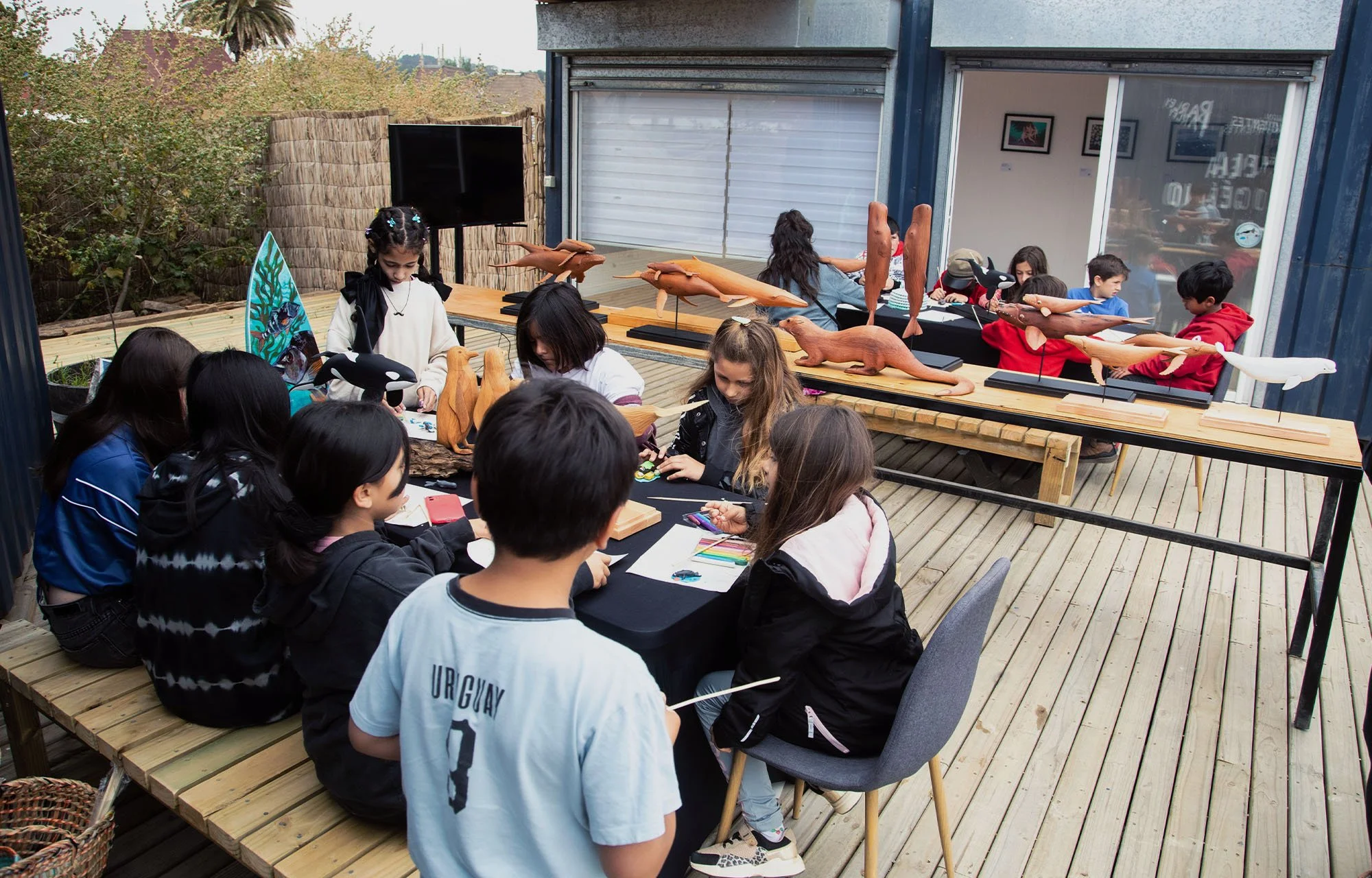
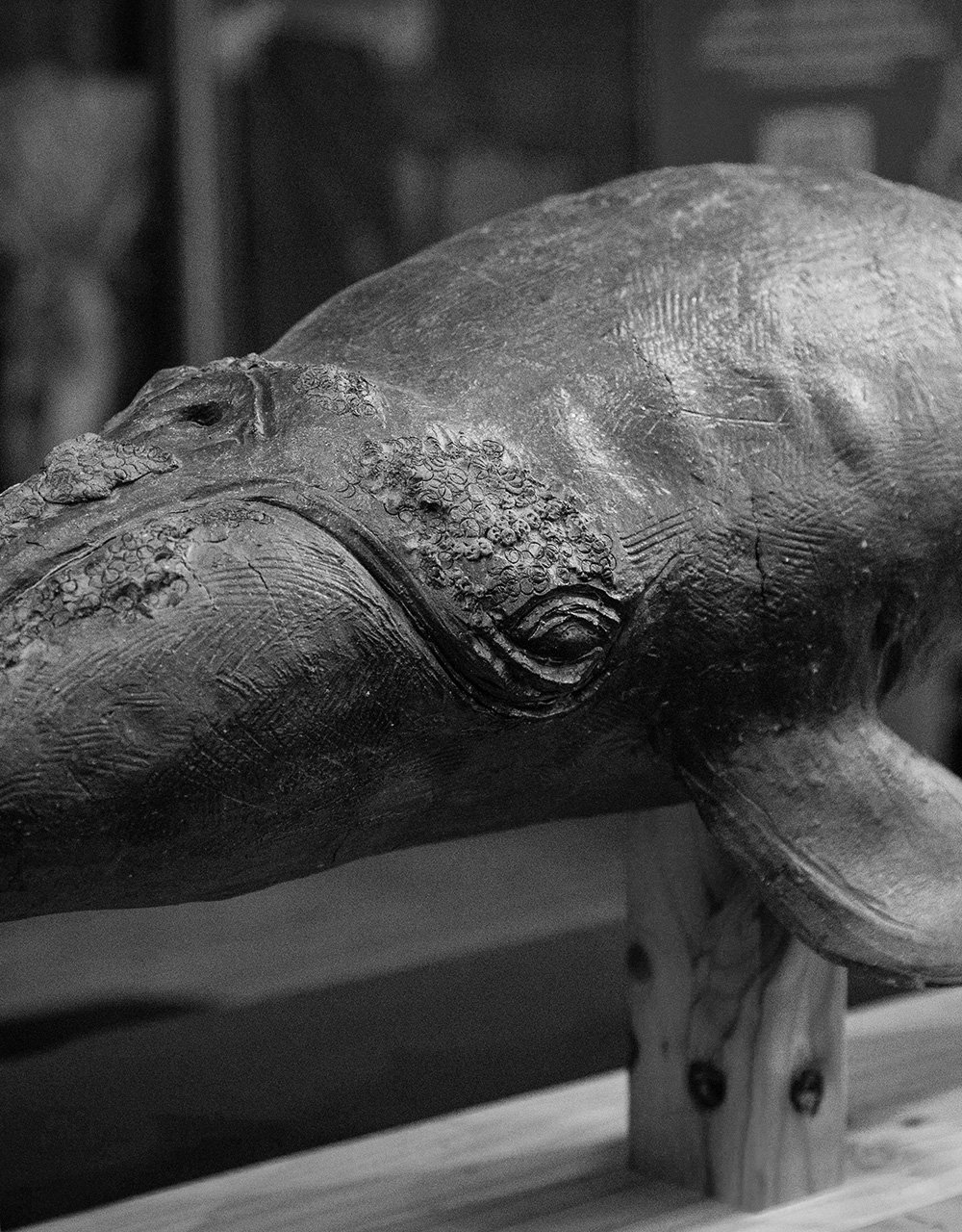
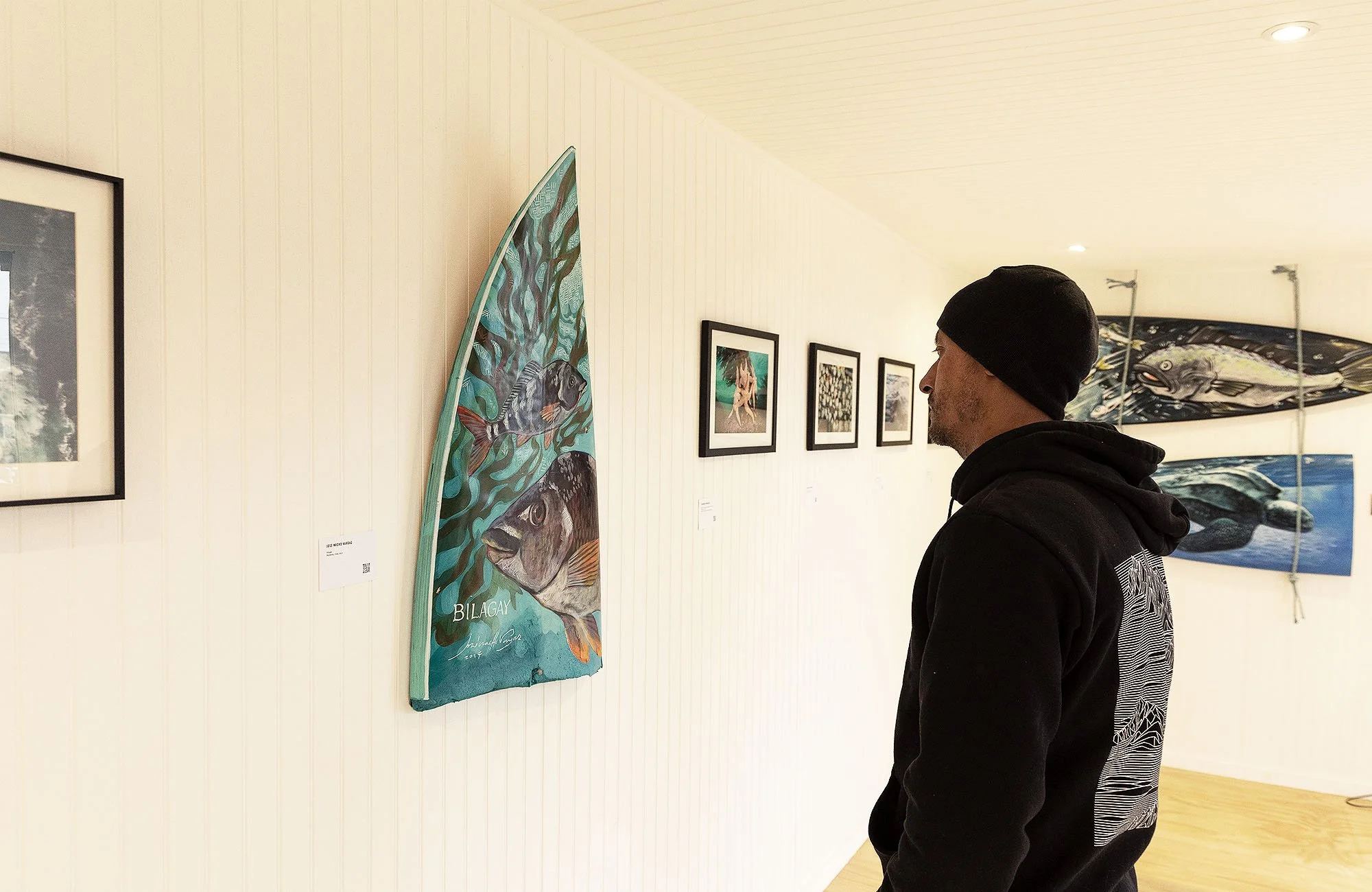
Art plays a big role here too. As part of its anniversary, the Escuela hosted Bosques de Agua: Exploring the World of Kelp Forests, an immersive exhibition that invited visitors to step symbolically beneath the surface. Developed with the Faculty of Marine Sciences at the Universidad de Valparaíso, the experience opened a window into underwater ecosystems, highlighting the quiet complexity and ecological importance of kelp forests. Alongside the exhibition, a group of local women came together to create a collective cetacean sculpture, guided by artists Carolina González and Diego Guzmán. The process combined art and environmental education, with participants learning about the Southern Right Whale before building something lasting for the community. The result now stands as both a sculpture and a reminder of the marine creatures that pass along Chile’s coast.
Looking ahead, the team isn’t slowing down. Plans are in place to triple the Escuela’s reach and to develop a new Marine Research and Education Center. The ambition isn’t just to grow, but to take what’s working here and apply it elsewhere. Because while Pichilemu is incredibly rich in biodiversity, it’s also under pressure from pollution, human activity and unsustainable development. By telling the story of the local ocean, the Parley AIR Station aims to spark awareness, and ideally action, from visitors.
“Having an AIR Station in Pichilemu is a dream come true,” explains Parley Chile Director Rodrigo Farías Moreno, “fulfilling our long-standing goal of bringing marine culture to the community, whether through beach cleanups or documentaries. Today, we have a physical space to provide these resources and offer real support and assistance – protecting our ocean and ensuring the well-being of future generations.”

READ MORE