In Focus: Jon McCormack (PREVIEW ONLY NOT TO BE SHARED)
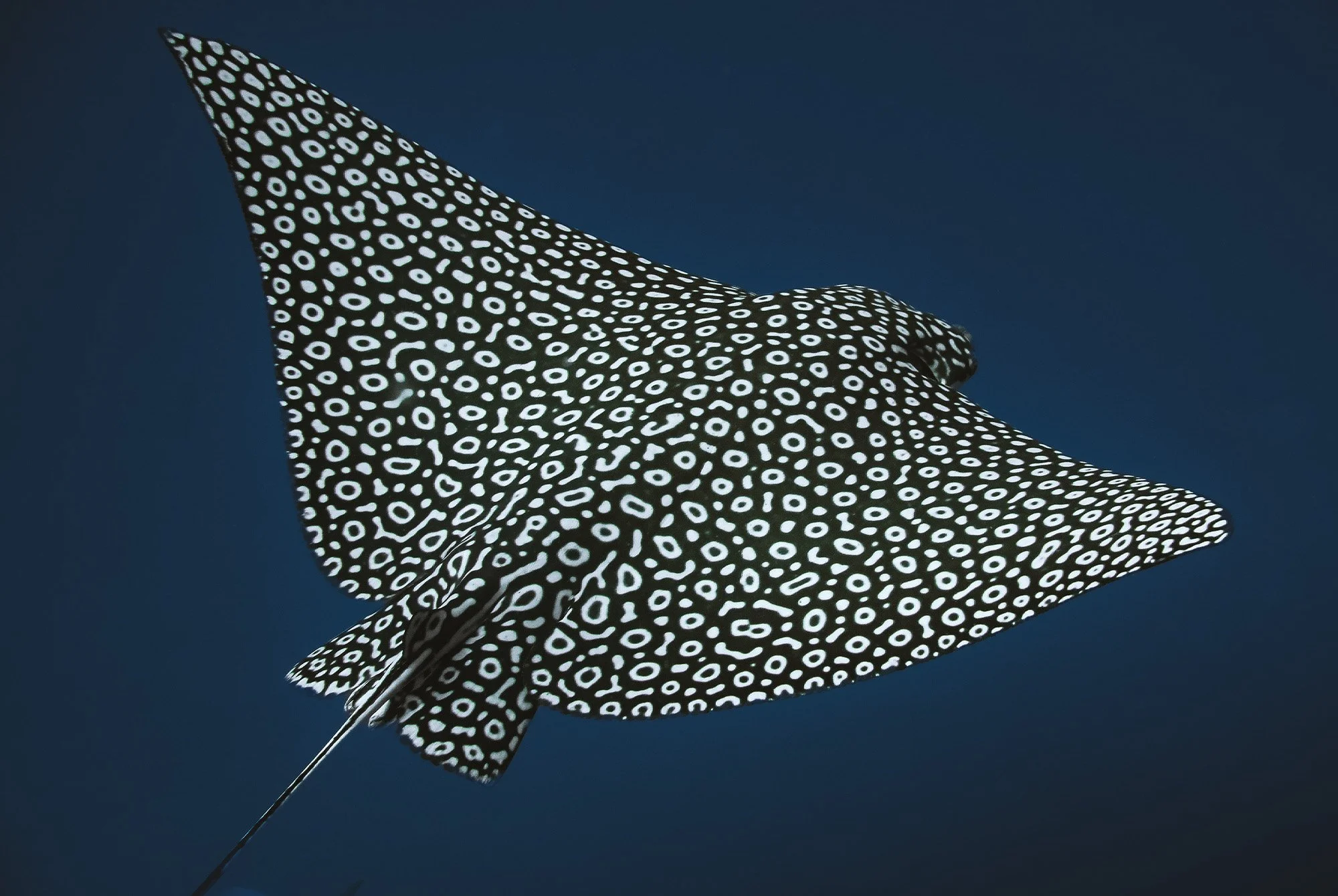
A photographer opens up his archive to trace the beguiling geometric patterns of our natural world
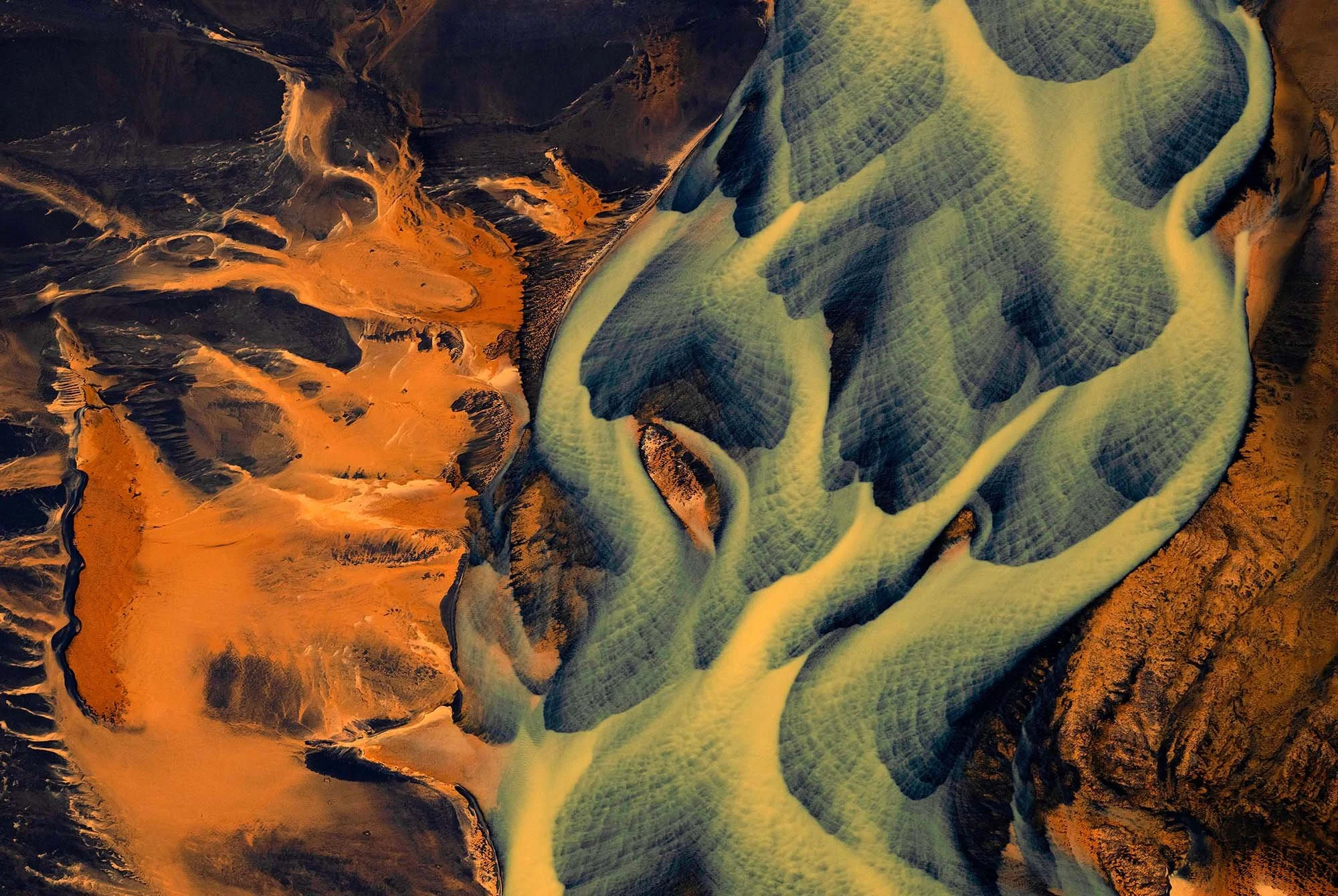
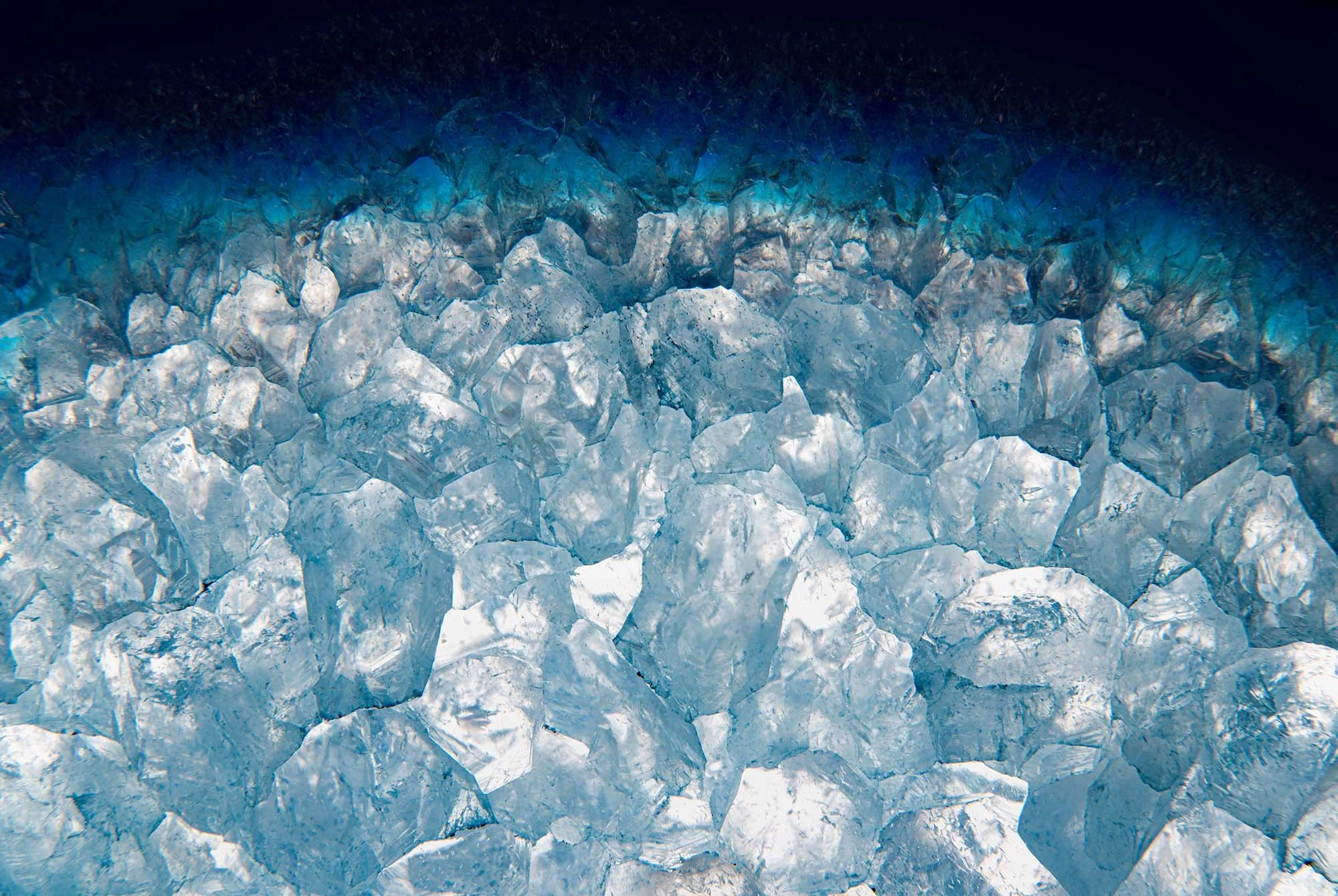
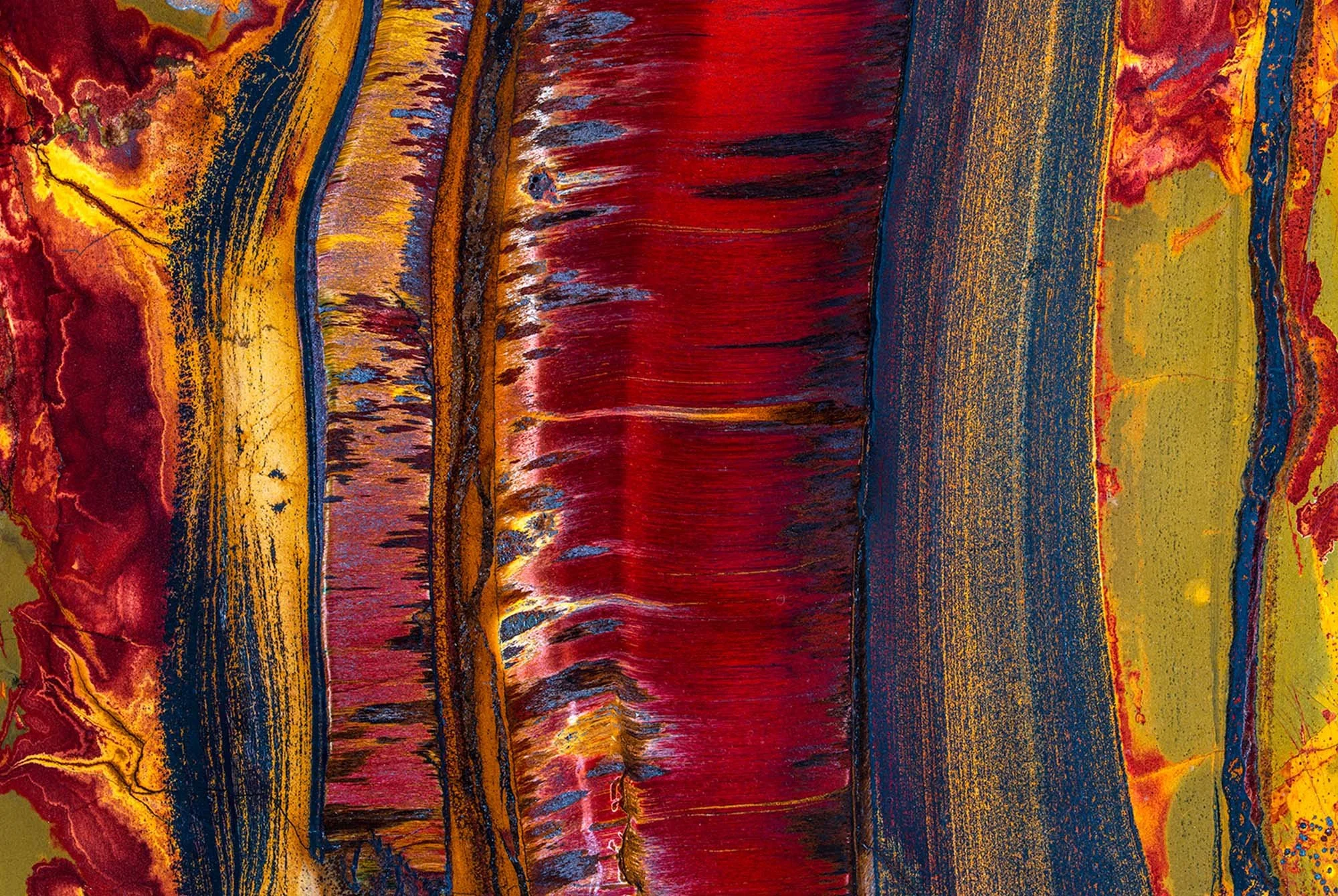
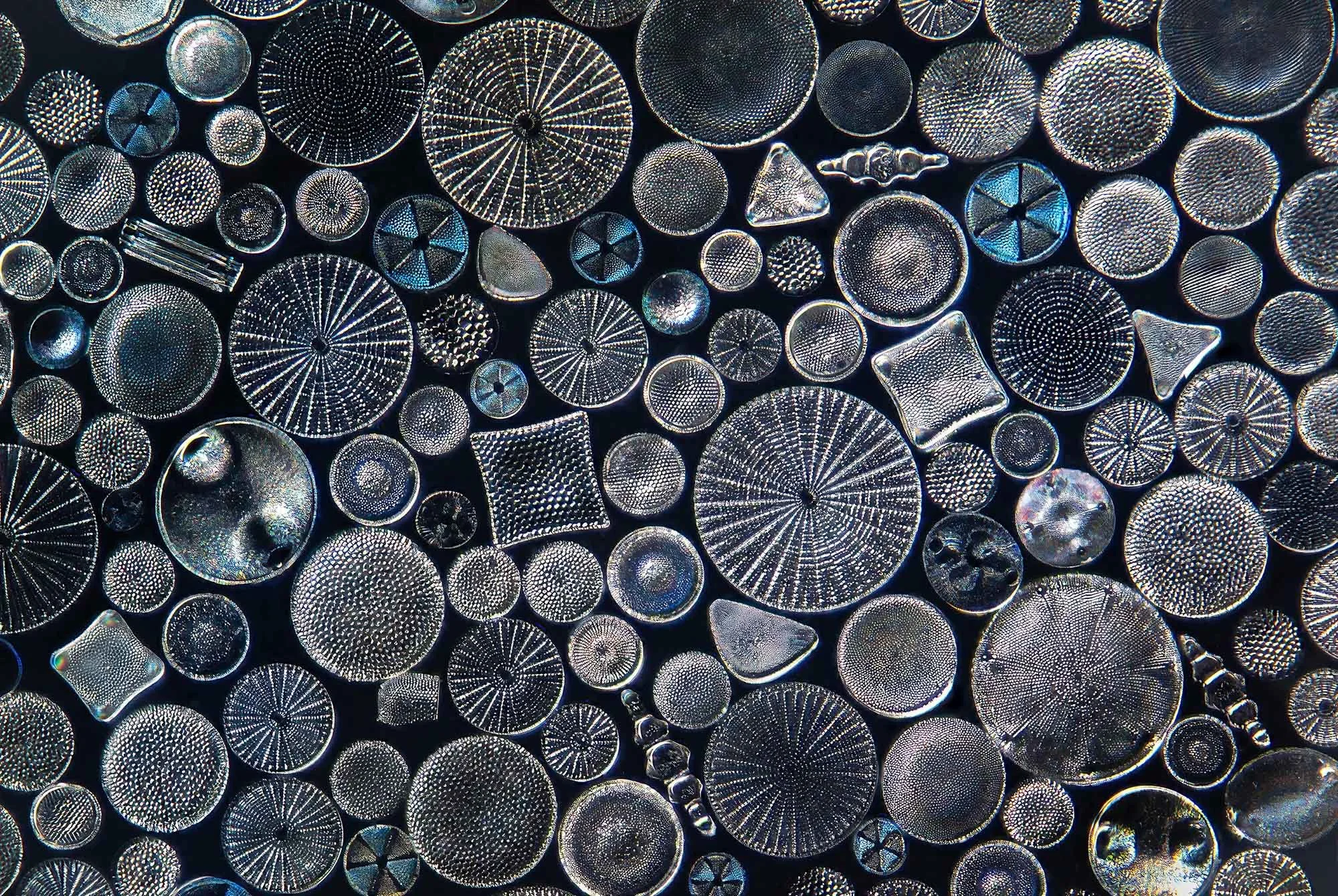
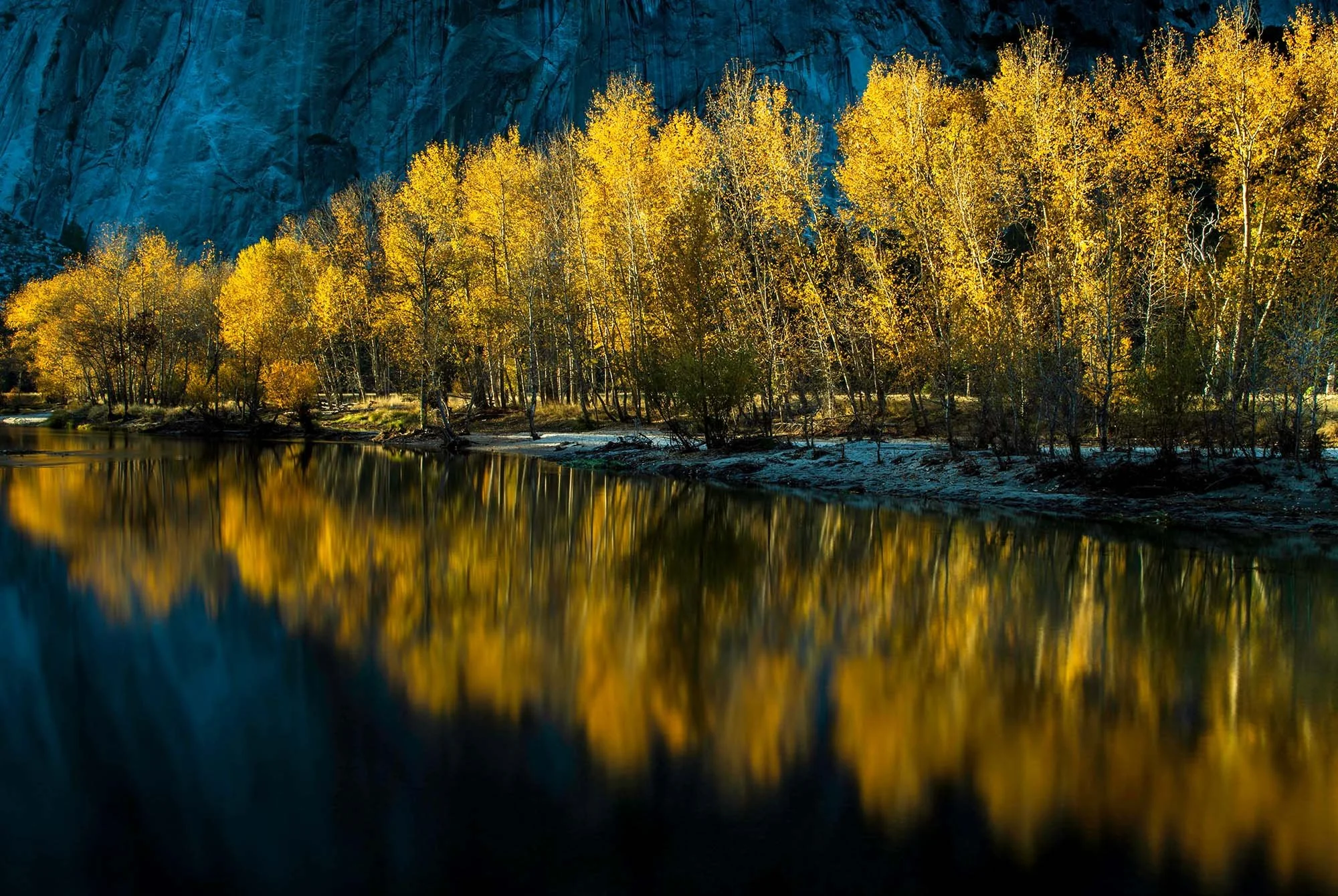
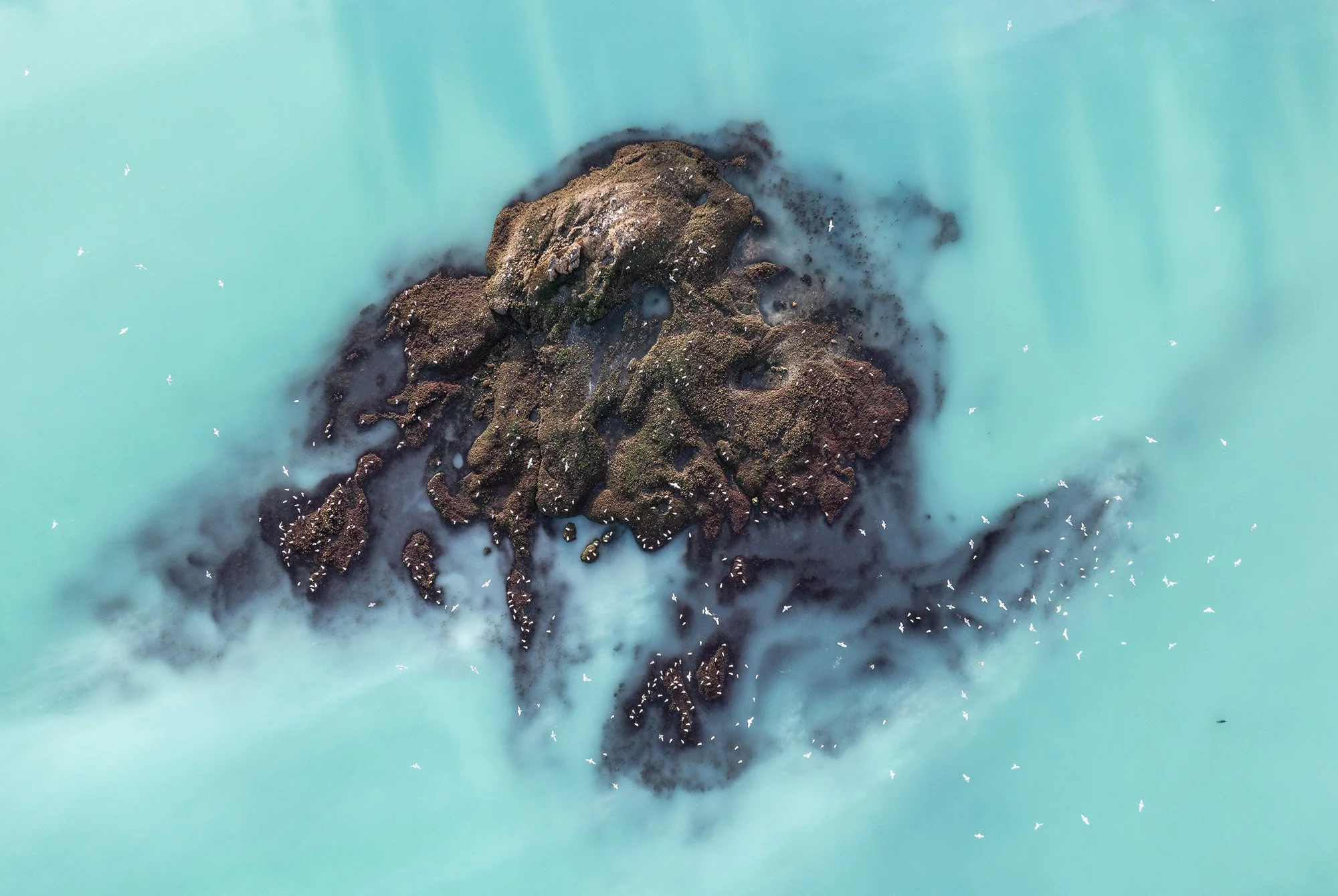
In 2020, the world stopped. During this time, photographer Jon McCormack also slowed down, visiting the same Californian beach every evening to capture it. Buoyed by repetition and freed from the urgency of taking “the perfect shot”, McCormack’s perspective both widened and narrowed simultaneously and he found himself captivated by the naturally occurring patterns he noticed all around him, ones composed and defined by the elements.
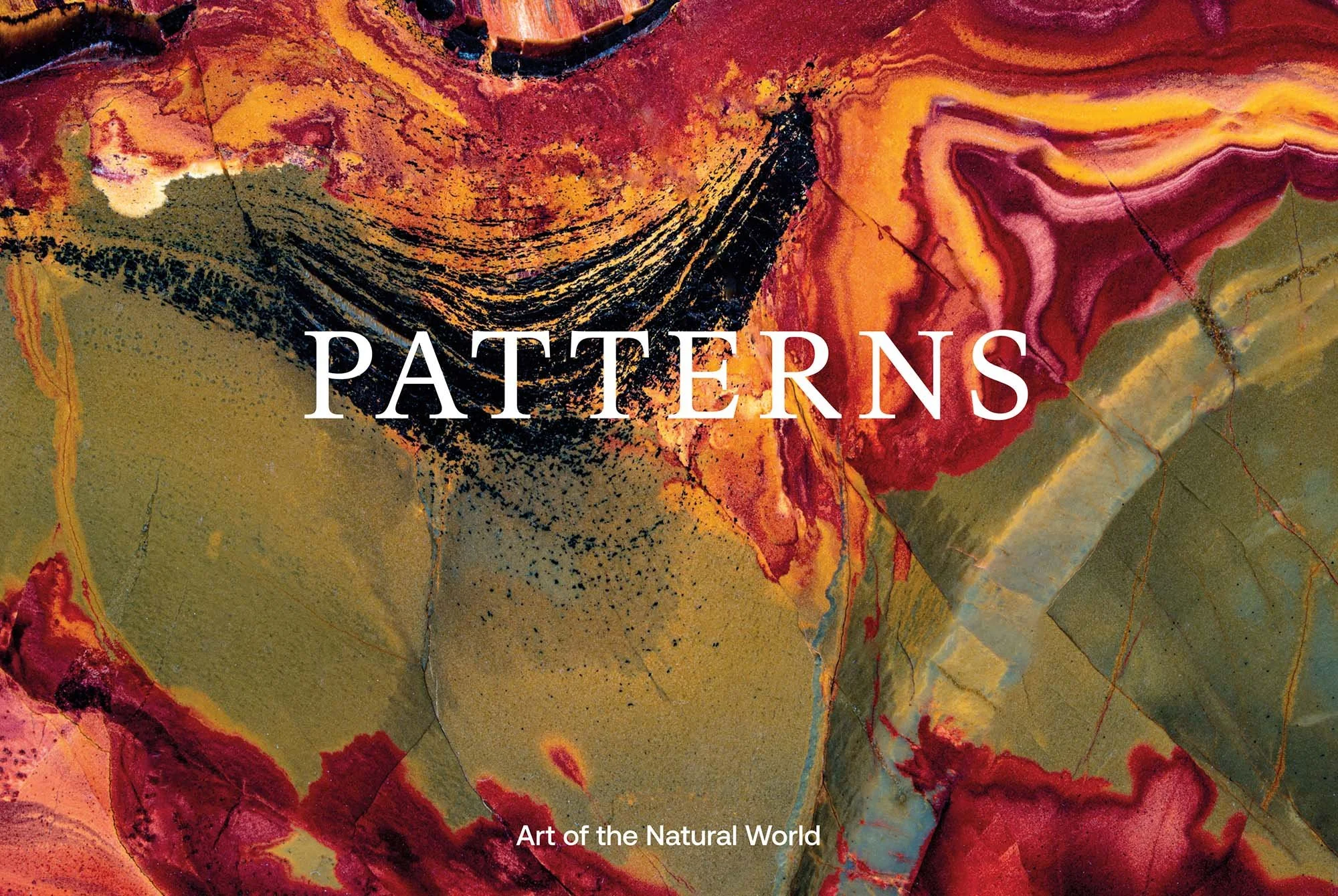
This time spent on a remote beach led to a wider journey of discovery and the realisation that patterns were a cornerstone of his decades-long career in photography. At that point, he brought in an editor who agreed to the task of helping him put the book together on the condition that she could have full access to his archives. The result is Patterns: Art of the Natural World, “an intimate photographic meditation on the natural world, a celebration of the hidden rhythms and connections that weave together landscapes, species, and ecosystems” that features essay contributions from ecological heavyweights such as Dr. Sylvia Earle and Wade Davis.
“Earth will heal itself. The thing that’s in play here is whether humanity gets to stay.”
Jon McCormack
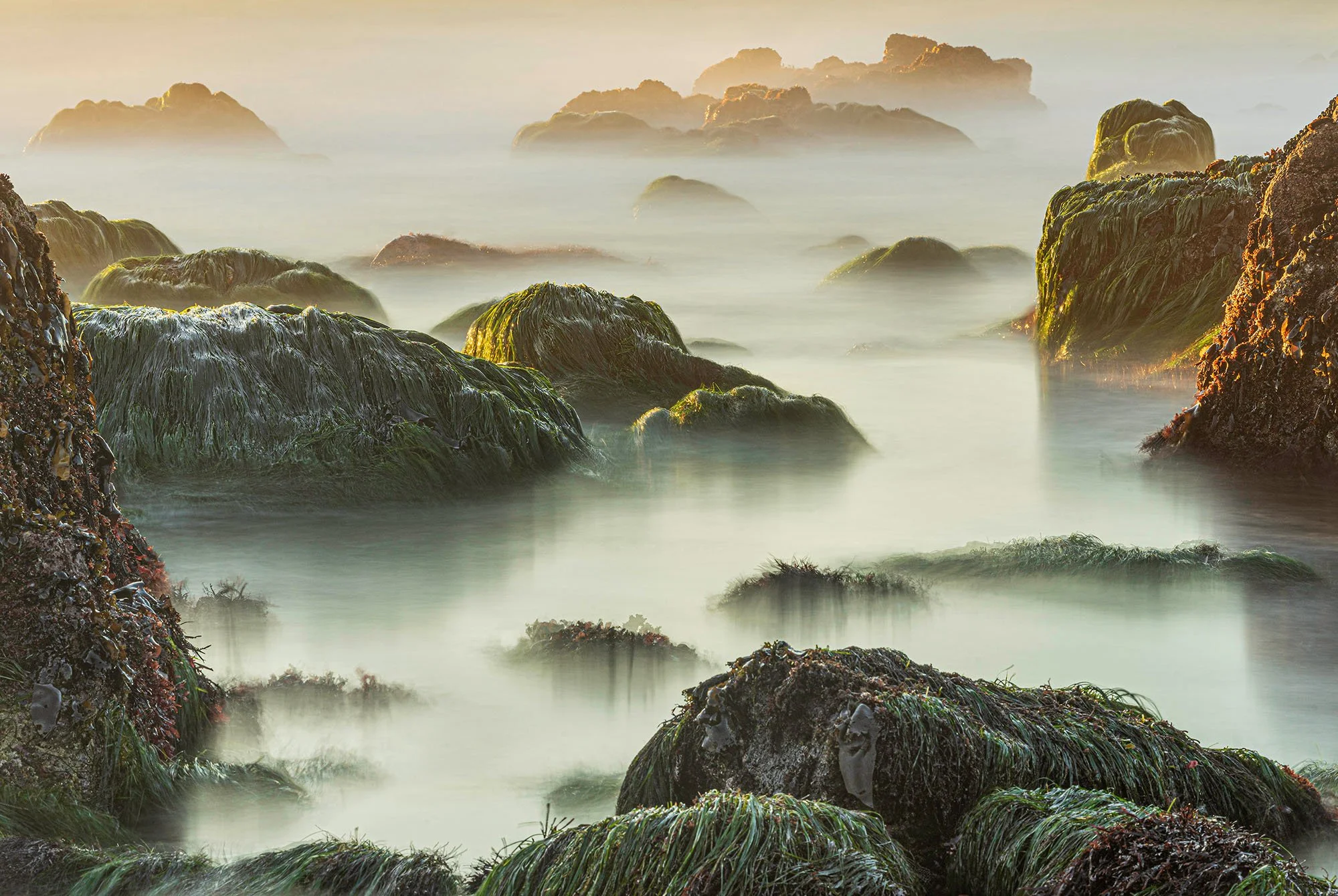
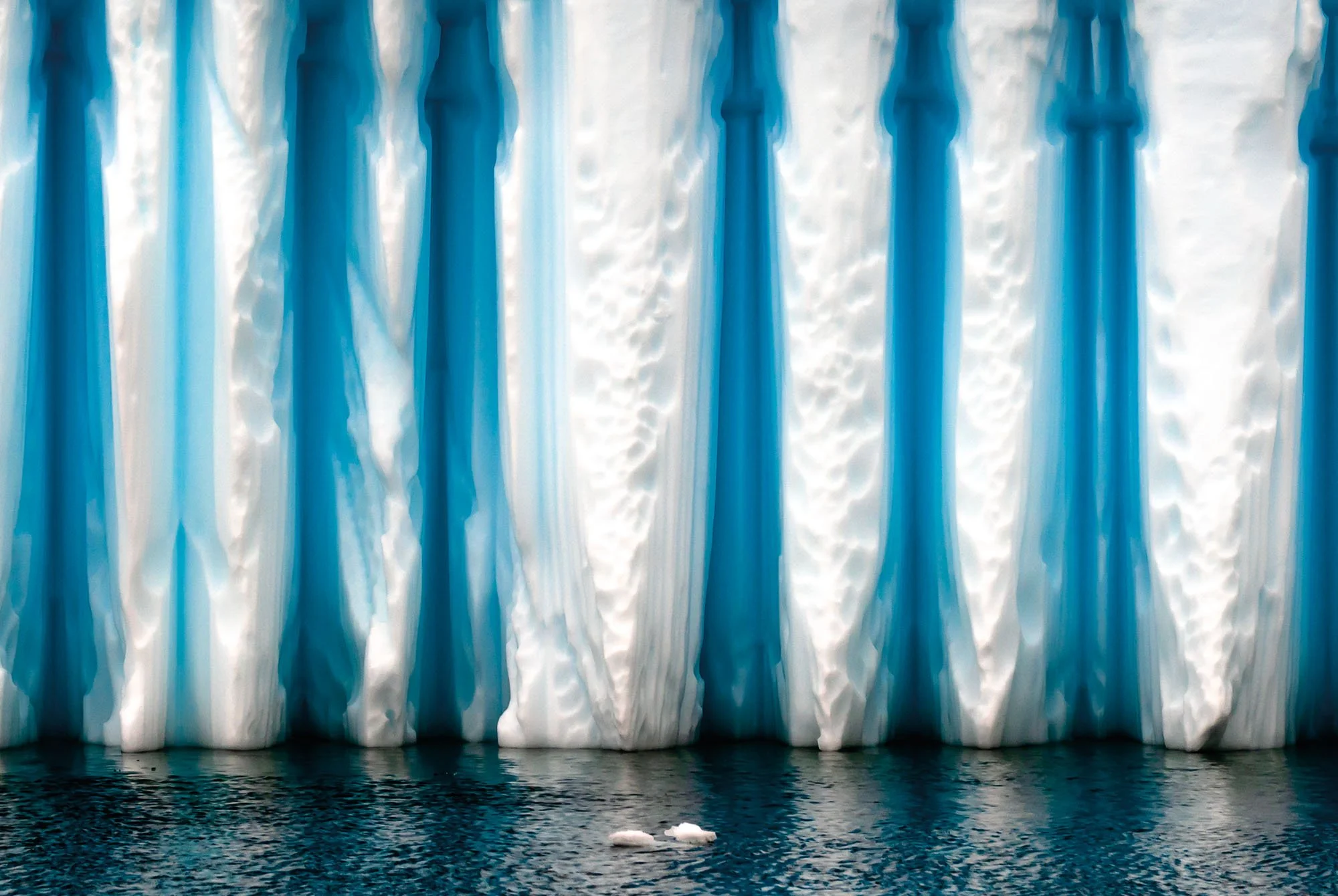
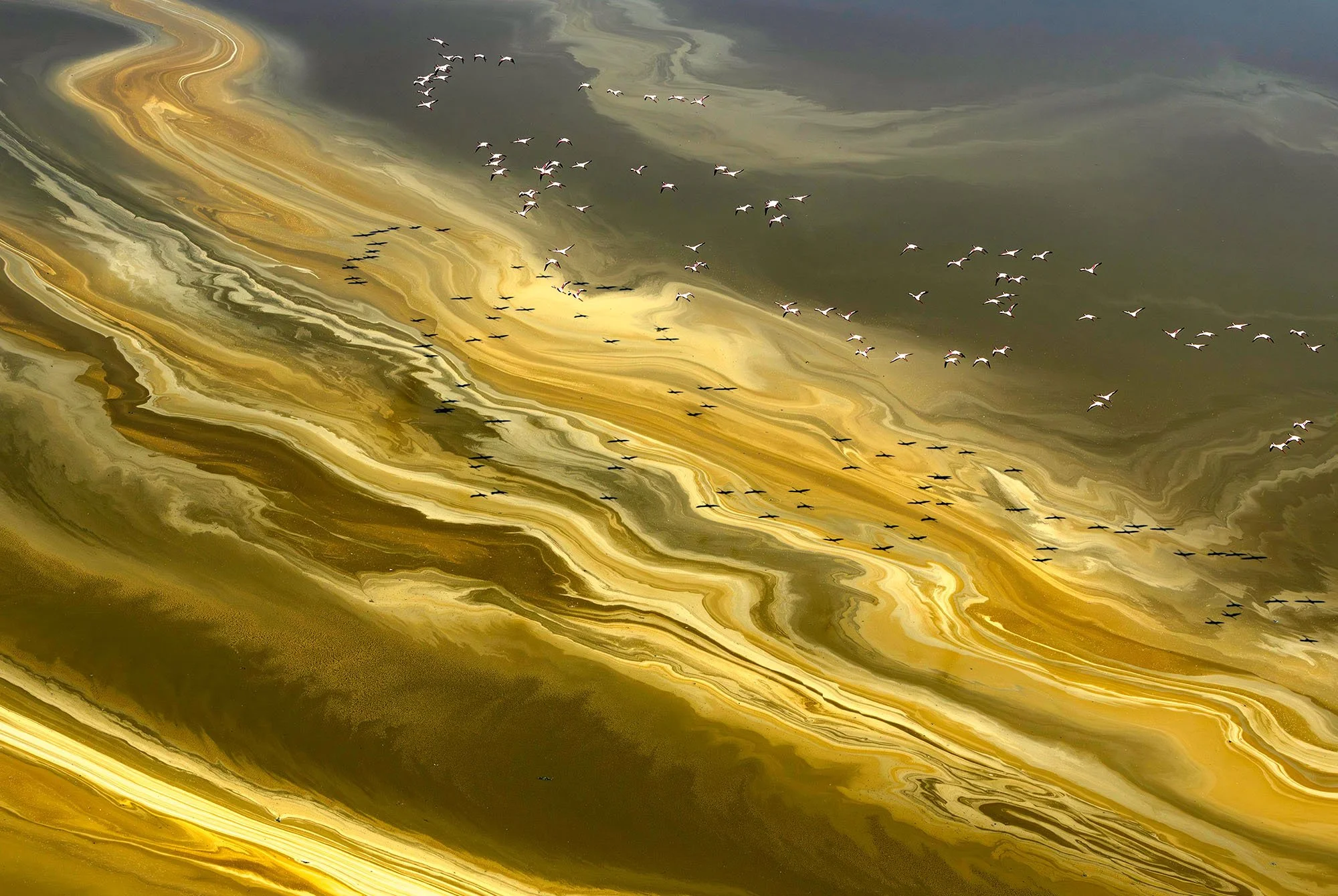
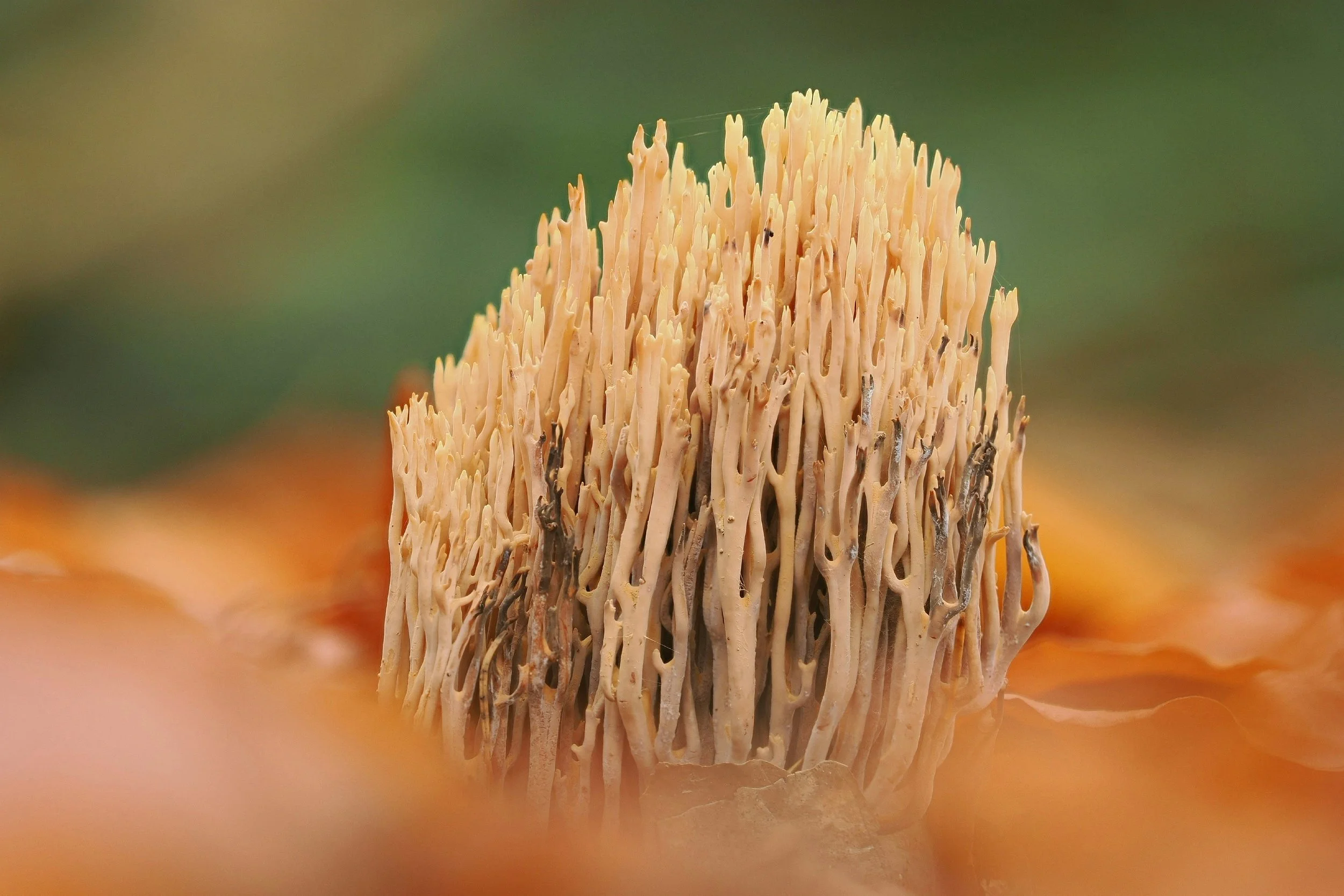
Within the work we do at Parley, particularly around the Material Revolution, we often say that “nature is the best designer”. Manmade construction rarely comes close to the established, billion-year-old order that the planet instinctively created. It’s these ancient models that McCormack sought out in this book and sequenced to demonstrate the similarities between many – the world has a way of doing things. Here, we talk to McCormack about solitude, patterns and an ever-changing Earth.
Q & A
Ultimately, this book came about because of COVID-19. Do you think if that hadn't happened, if you hadn't had that enforced time alone due to the pandemic, that this book would've even come out? Is there a lesson in that, in seeking out solitude?
For a while in COVID, we all thought the air was going to kill us. Then we thought it was other people's air that might kill us. It created an impetus to get out of the house and just be where other people weren't. My wife and I moved down to this little ocean town for about a year of the pandemic. There was a local beach and I started going to that beach as a way to get out of the house. It's called Asilomar and it’s got wonderful sunsets, but then at some point, you start to wonder how many photographs of sunsets you can actually take and have it still be interesting.
I was one of those more frenetic photographers who went looking for a keeper, that great photograph every time I went out. However, I started to settle in because when you know that you're going to go back every day, the urgency of coming back with something amazing is less acute. It allowed me to slow down and really start to see. So I started to wonder what the genuinely interesting thing was here. I began to find these little visual vignettes, these compositions that happen as a result of the tide, the wind, the light, the level of atmospheric haze, which will affect the color of the light, the rocks, the seagrasses, and these patterns or these shapes would just come together. Each of them was a one-time event because every day, the tide's different, the wind's different, and so on. It became this practice of really slowing down and ultimately made me understand what I am or who I was as a photographer because it became all about this delicate intricacy of nature.
The book contains images from across six continents. How was the book assembled from a practical point of view?
Initially I thought it was going to just be a book on this one beach. I did a couple of mock layouts of it and it was just a really boring book. But this process had changed me, changed the way that I thought about photography, made me very aware of patterns. After COVID calmed down and I could travel and photograph again, it became this practice of naturally finding more patterns. This idea started to develop and I started photographing rocks because I started to see patterns in rocks. Finally I became self-aware enough that I was like, "Oh, I really should add in other people because there are book editors in the world who actually figure this stuff out every day." And so I got put in touch with a book editor who was very, very good. She said she’d take on the project on the condition that she had access to my entire photo library. It turns out that patterns have always been there in my work and then once I started to know what the book was, then I started to photograph with more intentionality with the book in mind.
At Parley, we often say that “nature is the best designer”. We spend so much time as human beings trying to create new, manmade things that are potentially harmful, or derived from fossil fuels. Often it's already been done naturally a billion years ago. Do you think there's a lack of understanding in the world about the power that nature has as a designer?
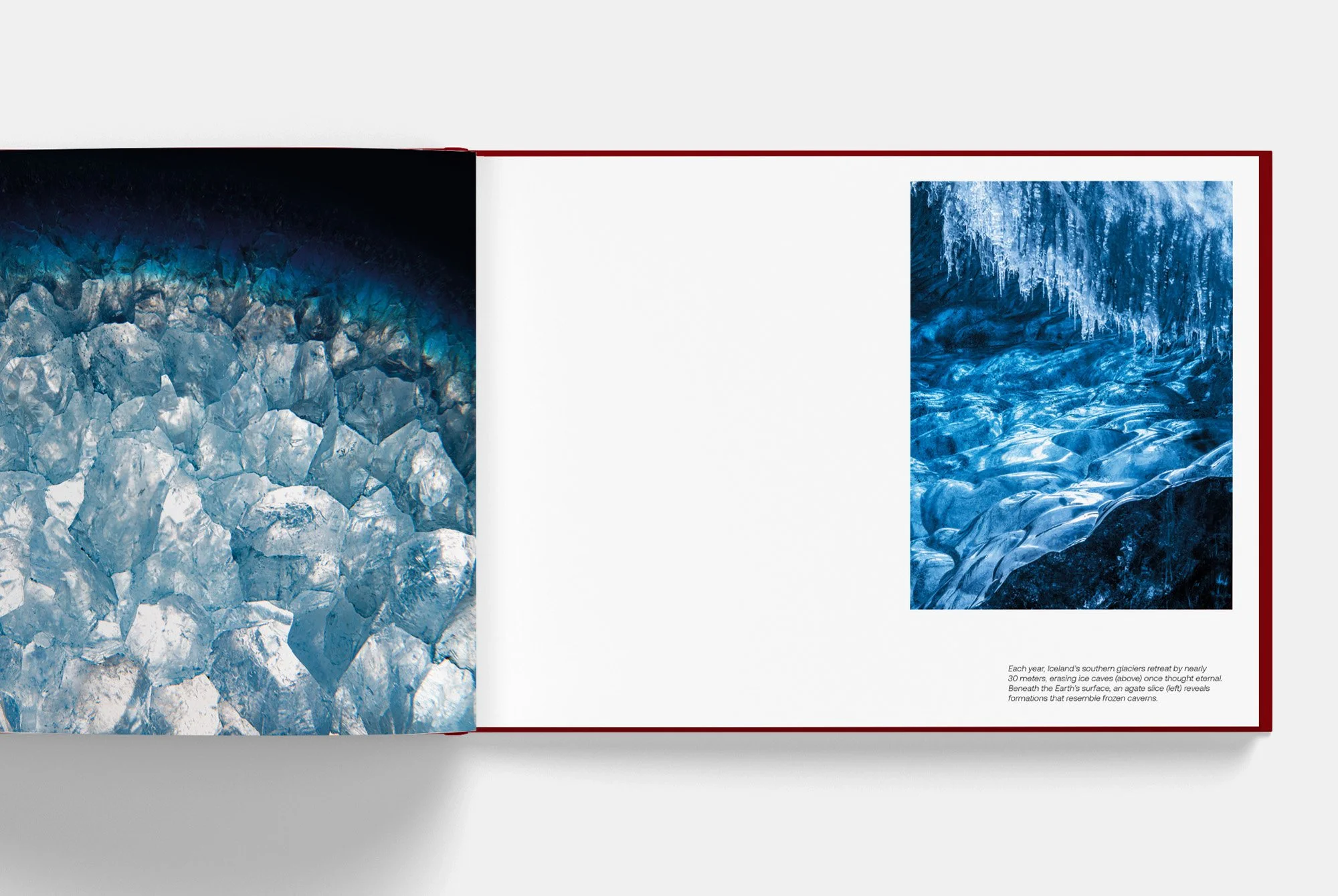
There's a sequence of two images in the book where there's a fossilized ammonite, which is about 400 million years old, next to a sea snail shell. There are 400 million years in between those two designs, and it's the same shape because it turns out that that's just the best way to build that kind of a house. Nature is this incredible designer. Something that we miss when we're talking about climate change and screwing up the planet is that the planet is going to be absolutely fine. Earth will heal itself. The thing that's in play here is whether humanity gets to stay. Nature's resiliency is extraordinary.
If you think about the patterns in nature and then delve into the neuroscience behind it, it becomes really interesting because our brain and our visual system are scanning for patterns all the time. Patterns make us feel good, they let us know that the world is ordered, like the trees aren't falling down, the house isn't falling down, and so on. Patterns create a level of comfort, but nature's patterns are a little bit different in that they repeat, but they repeat much more organically. They're more fractal, or wave, or tree. It actually ends up with a dopamine effect, the same kind of effect that we get that we try to get from doomscrolling and never really achieve. It turns out that that is naturally available in nature if we just get out of the house and go for a walk and look at a tree or the waves in the ocean.
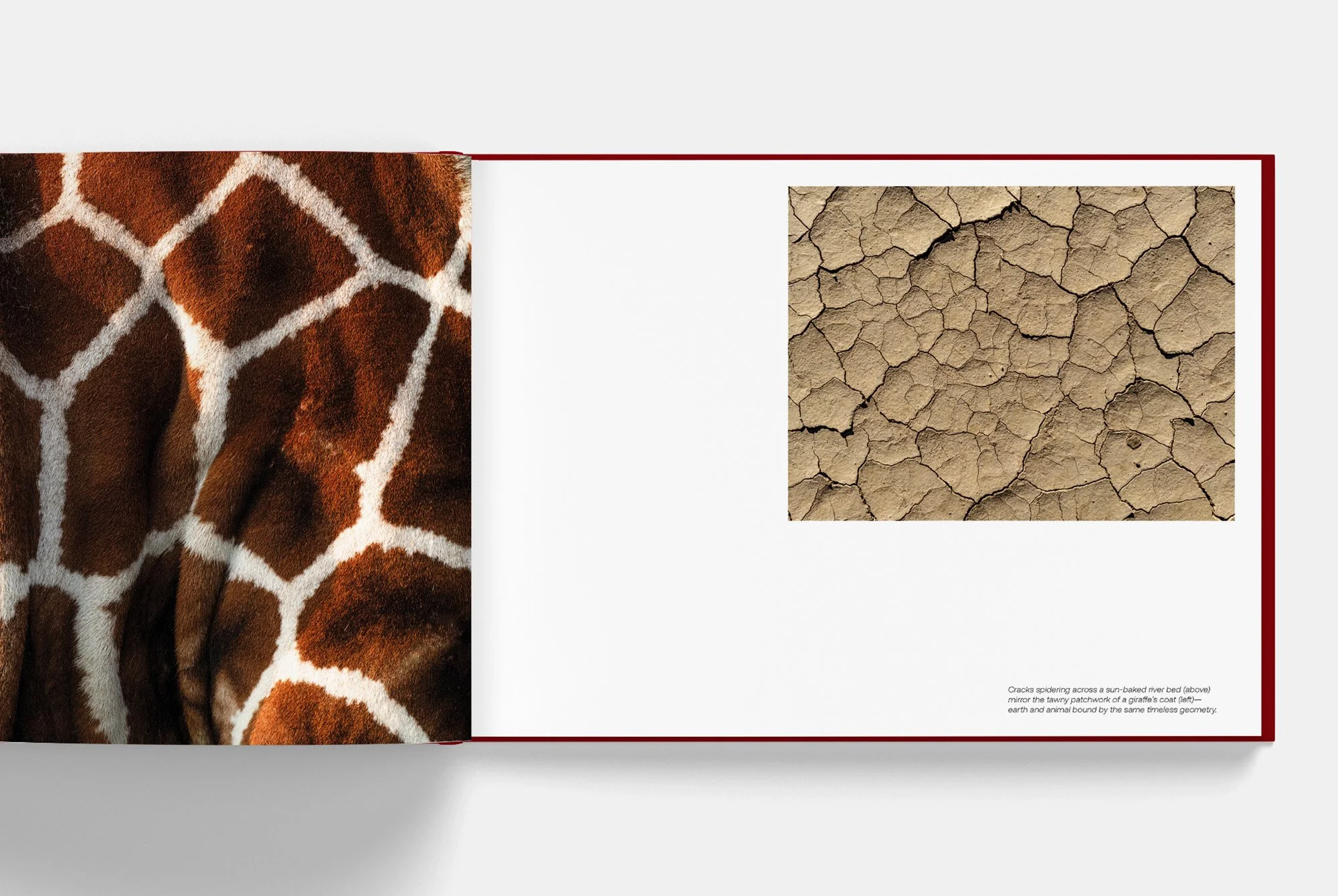
I really like the link that you pull out between caffeine and zebras, or giraffes and a sunbaked riverbed – it reveals how much nature’s designs have in common.
It does feel like there are some universal patterns and some of them just felt like they came out of nowhere. I photographed that zebra's head because it was just beautiful and then eventually put some caffeine on a slide and then smeared it out, put it under a microscope, just because I was curious to see what it would look like. Lo and behold, there's basically a zebra's forehead sitting there. That one is a great example, but with some of them, there's just this gentle flow from one thing into another. Slowing down enough to be able to observe our planet gently just allows us to take so much more in.
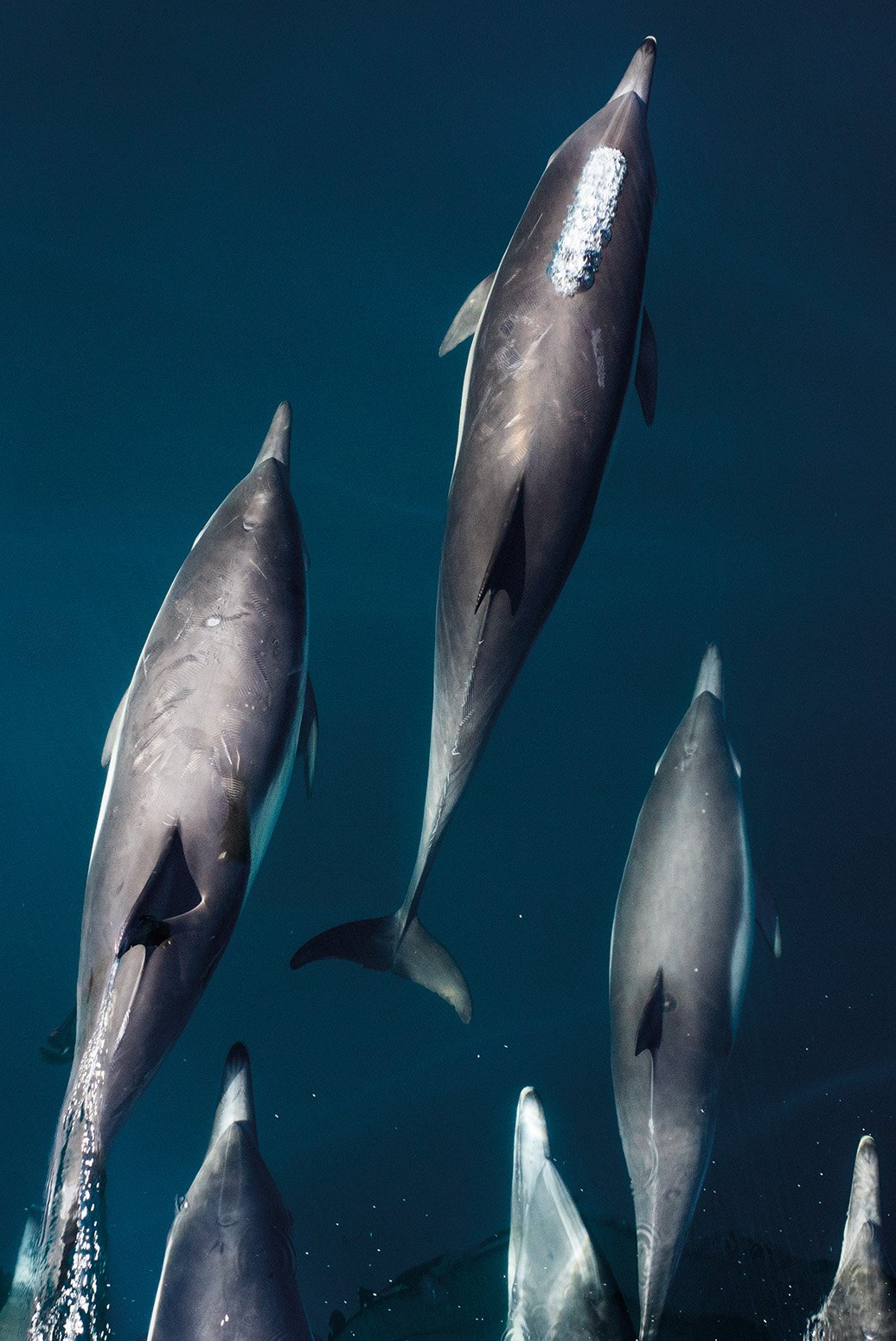
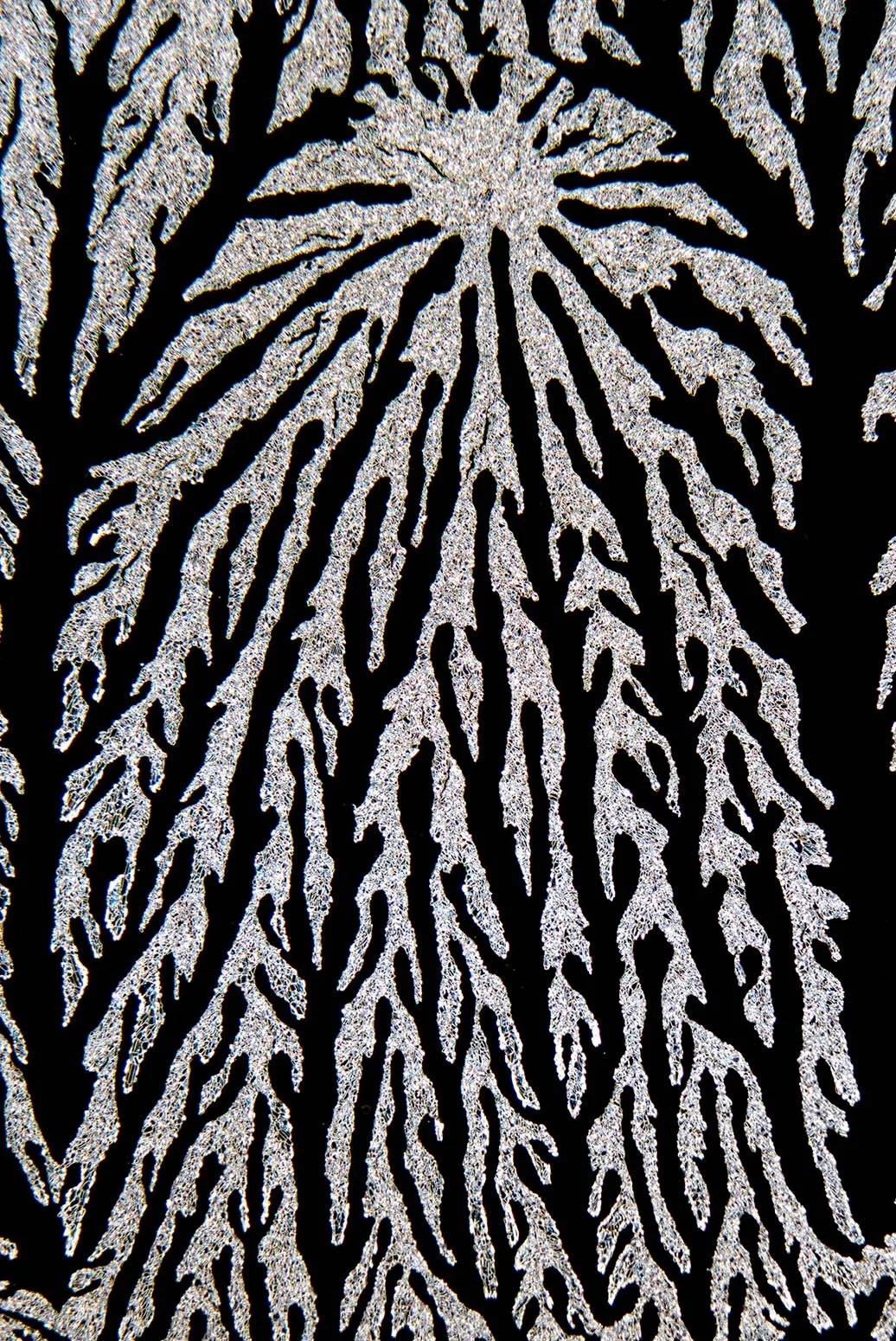
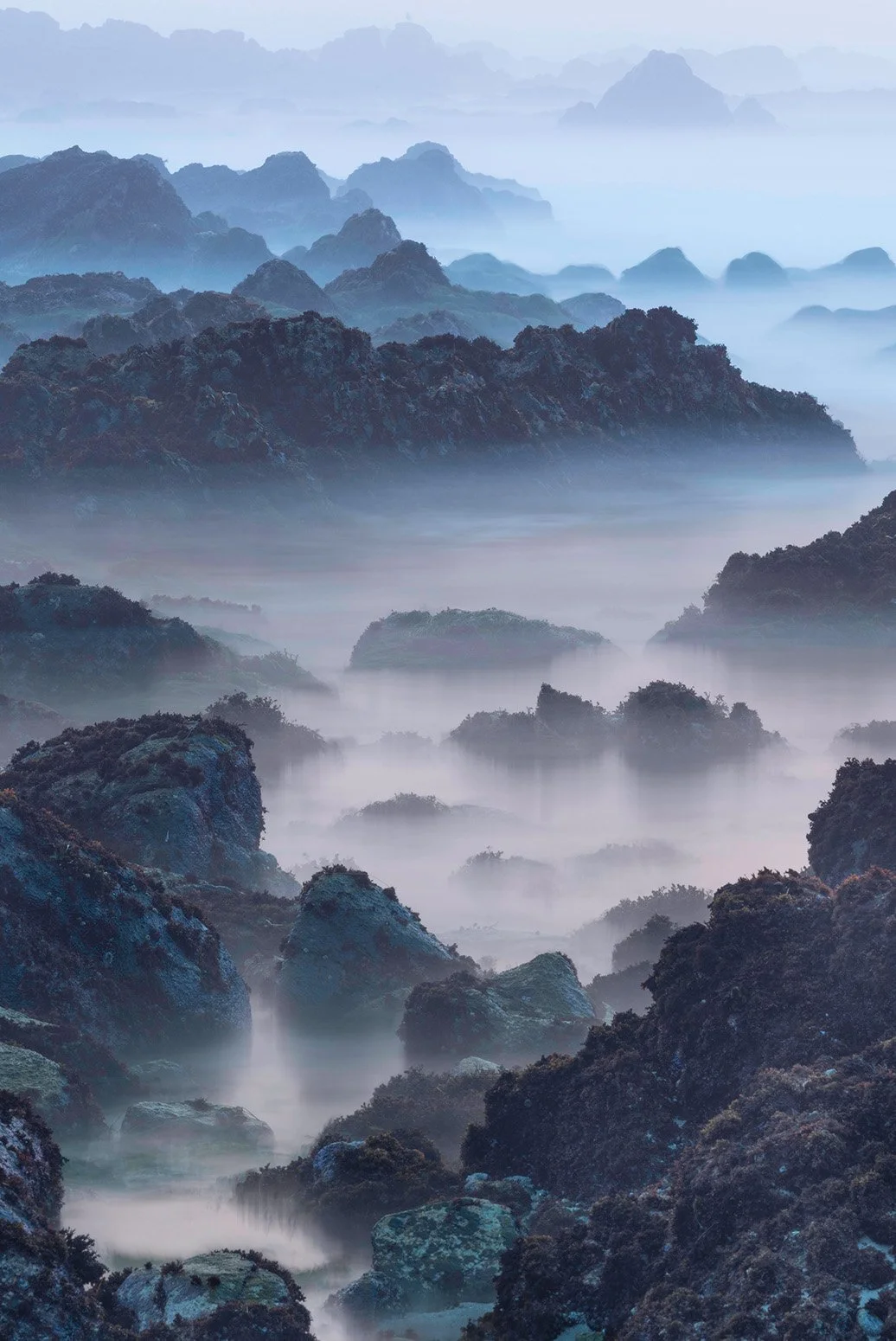
“Slowing down enough to be able to observe our planet gently just allows us to take so much more in.”
Jon McCormack
Dr. Sylvia Earle has an essay in the book, amongst some other great voices. Could you tell me a little bit about your relationship with her or how she and her work has inspired you?
Sylvia is a living treasure, she's a wonderful human being. I'm a member of this thing called the Explorers Club, and she's a member of it as well, so I'd met her a couple of times through that. It also turns out that she and I have got a whole bunch of friends in common. As I was putting the book together, I wanted to introduce voices of people who would be really thoughtful, would have something to say, but they all wouldn't be saying the same thing. I didn't want to get five marine biologists. Sylvia speaks with such a voice of authority because she's done so much. She's not just a figurehead, she's done the science. She has spent a bunch of time working on submarines, so she really does understand this world in a way that I think few others do. She's also able to articulate it. I think she is one of the world's truly great people.
You grew up in the Australian Outback, it's where you learned to photograph. For you, it was a place of relative solitude. How formative was that childhood to your creative practice today?
The Australian bush is a harsh place. Nature ruled our lives – the droughts, the floods. It left me very deeply connected to nature, which is obviously something that was formative. In terms of looking at patterns and thinking about my palette or my style of photography, the Australian outback is a very textured land. It's not grand landscapes because it's pretty flat for most of it, but you get the texture of the rocks, the grasses, the trees and the occasional oasis. The closest place to develop film was two hours away, so I had to take really good notes because we'd only get film developed every few months. As a kid, for every single photograph I would take, I would then also sketch the frame and write a bunch of notes so that when I finally got the image back, I could be like, ‘oh, that's what happened, and that was good or that was bad’. That helped me get the technical part of my craft really dialed very early on so then I could concentrate more on what I wanted to say. Growing up in the bush also made me really comfortable with solitude, which is great for natural history photography because you spend a bunch of time alone.
In your years photographing the world over a long period of time, how have you seen it change?
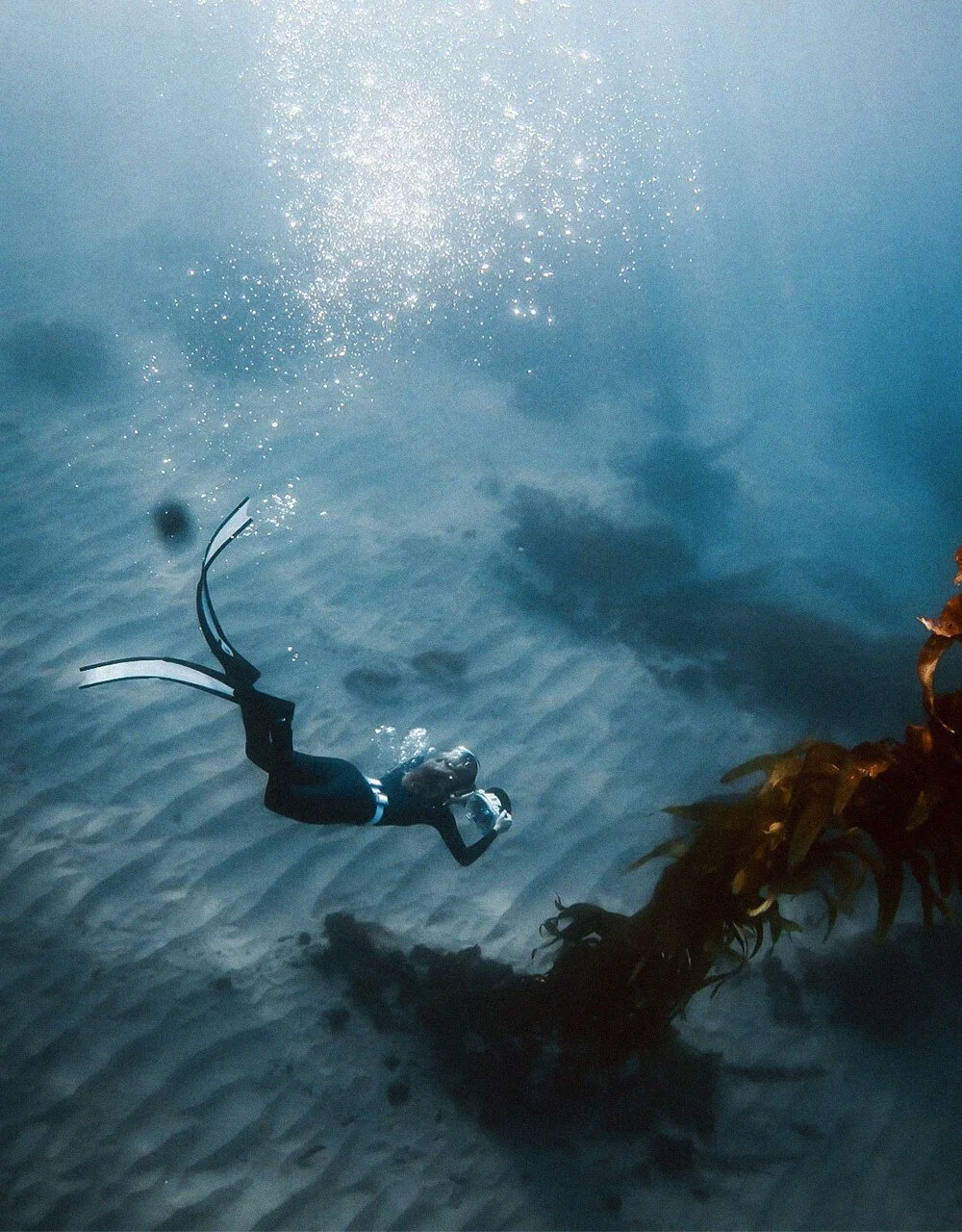
In general, horrifically. When I first started diving in Monterey Bay 25 years ago, there was kelp everywhere. There were otters playing everywhere. There weren't a whole lot of sea urchins, but then as the environment has changed and as the water has become a little bit warmer, the entire texture changes. It became a really good habitat for sea urchins, and sea urchins are like lawnmowers for kelp, they just come in and just pull it down. Monterey used to feel like going through a rainforest and now if you find one big strand of kelp, you're having a very good day.
How would you describe the planet's dialect, its language?
I think it's very orderly. I think it's very consistent. I think it works. Nature obeys the laws of physics and uses it quite well. I think two things happen. As nature builds, it builds pretty permanently. As nature makes things, it makes them to last, and it also makes them beautiful. I can't think of a single natural thing that I look at and go, "That's inherently ugly." I can think of a lot of manmade things that are inherently ugly. If you think about nature, even in the ordinary, there's beauty.
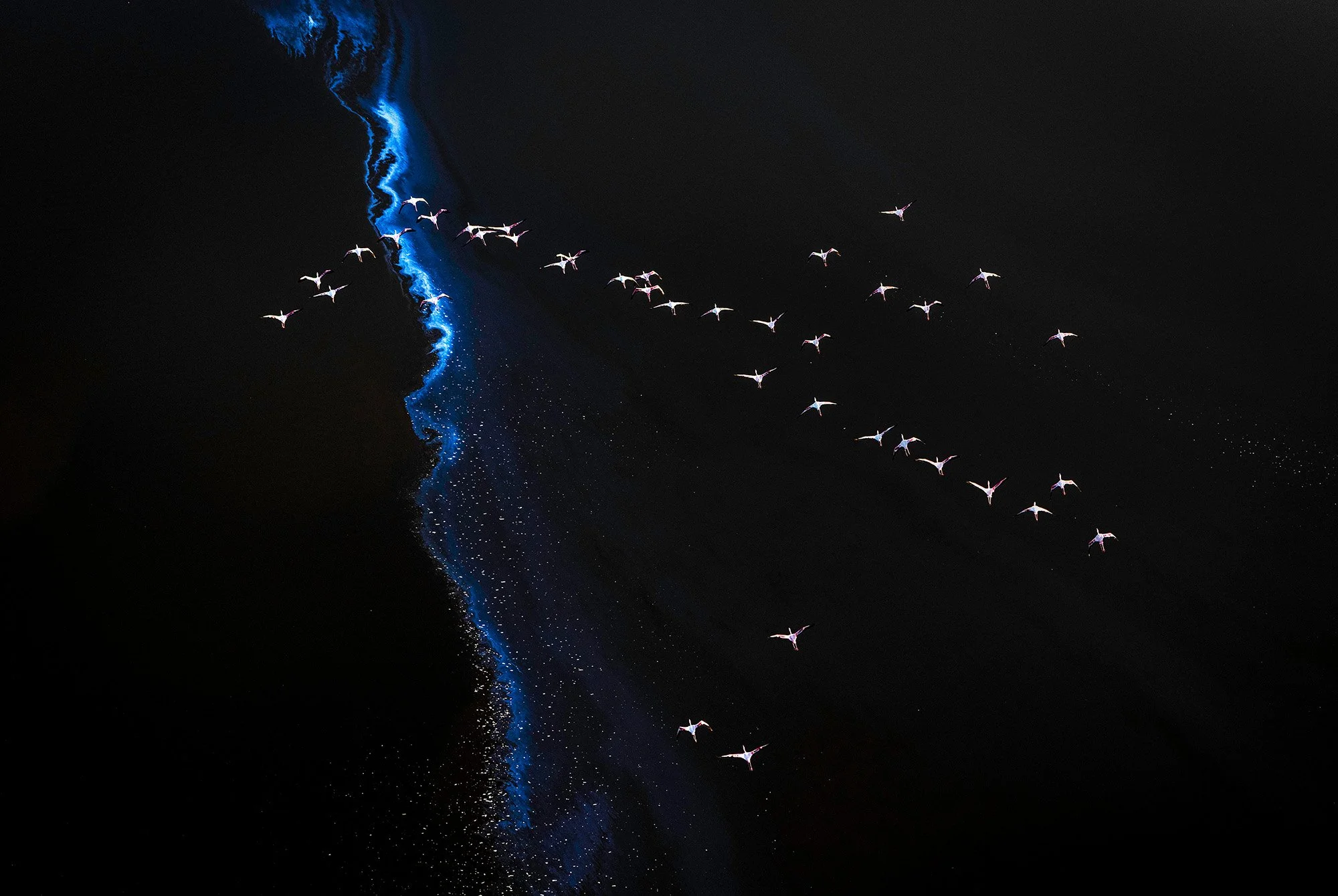
“As nature makes things, it makes them to last, and it also makes them beautiful.”
Jon McCormack
READ MORE