In Focus: Paul Nicklen
Legendary photographer Paul Nicklen reflects on his deep reverence for the natural world in his new book. We speak with the Canadian conservationist about his life’s work, which reshaped the landscape of environmental photography.
Paul Nicklen’s decision to pore over millions of his own images, through an archive that spans decades, was one spurred by time spent atop a mountain with his mother during her final days, acknowledging each corner of the world – the things he’d seen, the person he was, the person he’d become. Analysing two and a half million images is, for anyone, a long and laborious task, not least if the photos are yours and you can’t even recall taking many of them. However, he knew that this was the time to reconnect with himself, his own work and the planet, to show reverence.
Born in Saskatchewan, Canada, before moving to remote Baffin Island in the mid-1970s, Nicklen grew up around the Inuit inhabitants of a hard, brutal, yet beautiful part of the Arctic Circle. As a kid, he didn’t think photography was a career that was available to someone like him. However, his mum was a keen photographer who had a darkroom in the house – he found himself enchanted by her magical prints of Inuit culture and life on the sea ice. His father wanted him to take a government job but his mother snuck him money for a camera, a small, intimate moment that went on to define the landscape of environmental photography as we know it.
Nicklen’s work is legendary. Even if you don’t think you’ve seen it, you have. His photo stories have appeared regularly in the pages of National Geographic, helping shape global conversations around climate change and the fate of our planet. His imagery has been used for the cover of a Pearl Jam record, by Apple TV and by American politician Al Gore. His work, which has predominantly focused on wildlife in polar ecosystems, has travelled the world, seen and shared by his millions of Instagram followers.
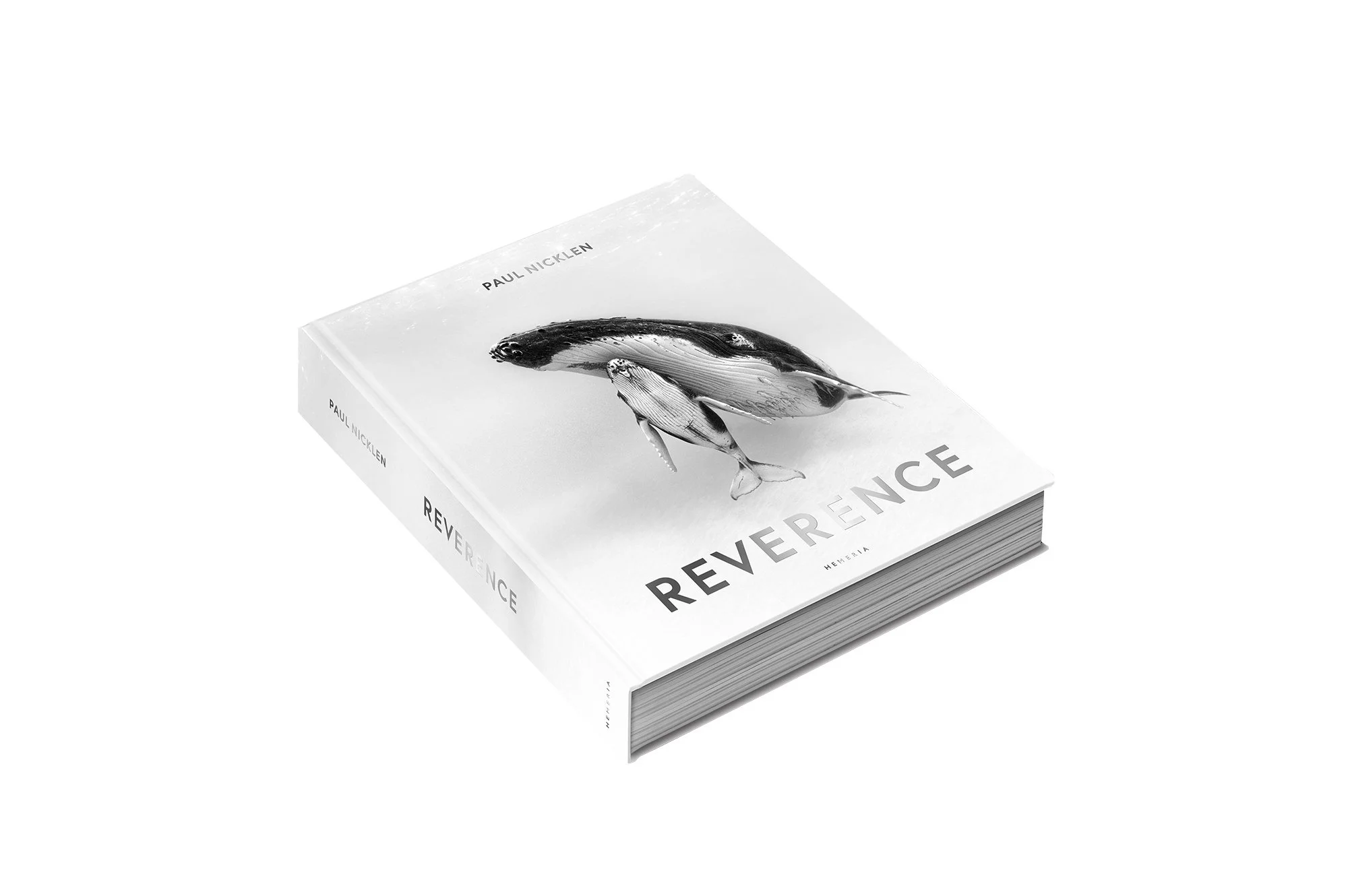
Like his partner Cristina Mittermeier (Mitty), he’s always aimed to marry conservation with creativity, capturing the wondrous beauty of our natural world while fighting to protect it. Together, they cofounded SeaLegacy, an ocean conservation organisation, and Mitty founded The International League Of Conservation Photographers, which he is also a part of. His new book Reverence, to be released next year, is a tribute to the ethos that has defined his career – what we have right in front of us is an unbelievable opportunity. We can do better than this, and we must.
“I’ve lived a life of reverence, a life of revering nature, loving nature, being comforted by nature”
Paul Nicklen
Q & A
Reverence is a compilation of your life's work. Around 70% of it is new, a lot of it you hadn't even seen before or don't remember taking. Why did now feel like the right time to go through your extensive archive and curate it? Was it the loss of your mother that really spurred that on?
I think that was a big part of it. My mom was not well for a while and I was taking care of her. She and I would always do this hike together up a mountain almost every day. It isn't a big mountain, maybe a 400 meter climb. You get to this little summit, you look out over the ocean. She grew up Catholic and she would always pray in these four directions, asking for thanks, for help, for gratitude and what have you. Whenever I'm in a time of need or I need strength or courage, I think of our ancestors. I think of history, I think of evolution. I think of animals, bears and megafauna that have walked this earth for millions of years. When she was off in her four directions, I started looking into the four directions that spoke to me – I looked to the north, where I grew up with the Inuit on the sea ice. I looked to the west where my family moved, where I learned to scuba dive and started to explore the underwater world and then to the south to Antarctica. I looked to the east where we're starting our work in Africa.
As I was preparing the eulogy for my mother, all these memories came rushing back. I thought, I've got two and a half million images that I've shot for National Geographic and throughout my career that I've never really looked at. I looked at them from an editorial journalistic point of view with the magazine and I was not criticized at National Geographic, but my style was very artistic and creative, and I was always trying to shoot these big, fine art home-run moments in my work – obviously there could be one or two of those in a story, but the rest had to be storytelling images.
I've never really gone and looked at my life's work through the eyes of what moments have spoken to me the most, have been the most powerful, have been the most creative and artistic, ones that make me feel the most connected to this planet. I went through and reedited that entire body of life’s work along with all the new work I've been shooting in the last few years, with this new, fresh look. I found myself getting more and more energized and excited and grateful because sometimes – I dunno if you've been following the news – but things aren't going so well in the United States! When you see the state of the world, you can get down. When I see these things that I love disappearing, I find it very cathartic and comforting to go back and realize that we've had this incredible journey through life, light and time – not to sound cheesy!
I just feel so grateful for what we've done and seen. I've lived a life of reverence, a life of revering nature, loving nature, being comforted by nature. The only time I've ever been really scared or terrified for my life is in big city centers. The only time I've ever been attacked was by somebody in the New York subway station, but I've seen 3000 polar bears, 2000 grizzly bears, 1000 black bears. It's just always been my homing beacon of comfort and solitude.
This is my call to the world to wake up and realize heaven is here now. We live this life on this earth waiting for this next journey and wondering whether there is a God or not, or whether there is somebody waiting for you in a white robe. But when you've seen what I have seen in the last 50 years, you realize there could not be anything. You couldn't fabricate, dream, sketch, envision anything more beautiful and more powerful than what we have in front of us right now and we have to protect it.
It's something that really annoys me about the “colonization of Mars” plan – we'd have a pretty good deal here if we weren't ruining it.
4 billion years of evolution – this planet is designed to take care of all of us. And yet it's the lungs, it's the heart, it's everything in our lives and we're thrashing it. I had dinner with Elon Musk a while back, but please go to Mars. If that's where you want to be, on an oxygenless, dead red planet, go for it. Living under a glass dome, eating freeze dried food. My God, we really have lost our way. We have to get people to realize how special this place is.
You’ve been through two and a half million images for this book. How difficult is that curatorial process? You were looking for the photos that had the most truth. How are you determining the truth of those images and what does truth in photography mean to you?
If I want people to care about this planet as much as I do, they have to feel. When I'm shooting my most powerful moments, you know your craft so well, your equipment so well, it's not a cerebral thinking process. It's a feeling process. I've completely disconnected from my left brain. I am lost in my right creative brain and I'm feeling through this. When I've had my most intimate moments with a puma, a spirit bear, or a whale underwater, I'm never thinking, I'm feeling. Often I have these encounters that can last hours and when I come out of it, I couldn't tell you what I shot. I couldn't tell you how many images I shot, I have been lost in this emotional realm, like an out body of experience.
When I’ve been going back through this body of work, that's what I'm trying to feel again. I'm not thinking, well, that one has the sharpest eye, that one has the best composition, I'm thinking – what images make me really feel? That’s the truth I’m looking for.
“I want somebody to have the book who’s so dark, so disconnected, so focused on greed, money and power that they’ve become so lost and so removed to what this planet is really about”
Paul Nicklen
How did it make you feel to go back through it? It’s work done over a three-decade period so I'm assuming there are photos in there that you'd forgotten you took, maybe even on expeditions you'd forgotten you'd been on. Were there points looking at a certain photo where you remembered who you were at that moment in time?
Yeah, definitely. For example, I was very angry as a government biologist. We were just managing maximum sustainable yield for hunters. We were getting population estimates for different species – caribou, lynx, polar bears – whatever species we were working on, and figuring out how many there are so we can kill as many as we can without driving the population down. And we almost always got it wrong.
When you're immersed in that government world you get very disgruntled, or at least I did, and I left. Then, I just got dropped off in the middle of the barren lands on the Horton River, 500 miles from the nearest community and lived with the bears, the wolves and the muskox for three months by myself and just collected my thoughts. On that trip I took 400 rolls of film and I only have one or two now. I don't think any images from that trip are going to make the book, but it's just been so rewarding to go back and look at those images and remembered that this journey where I walked 1000 kilometers, I paddled 500 kilometers, I lost 50 pounds, but my mind had never been more open and clear and happy and content on the journey. Even though it’s likely none will make this book, I don't care, it's just so beautiful to go back and relive that trip.
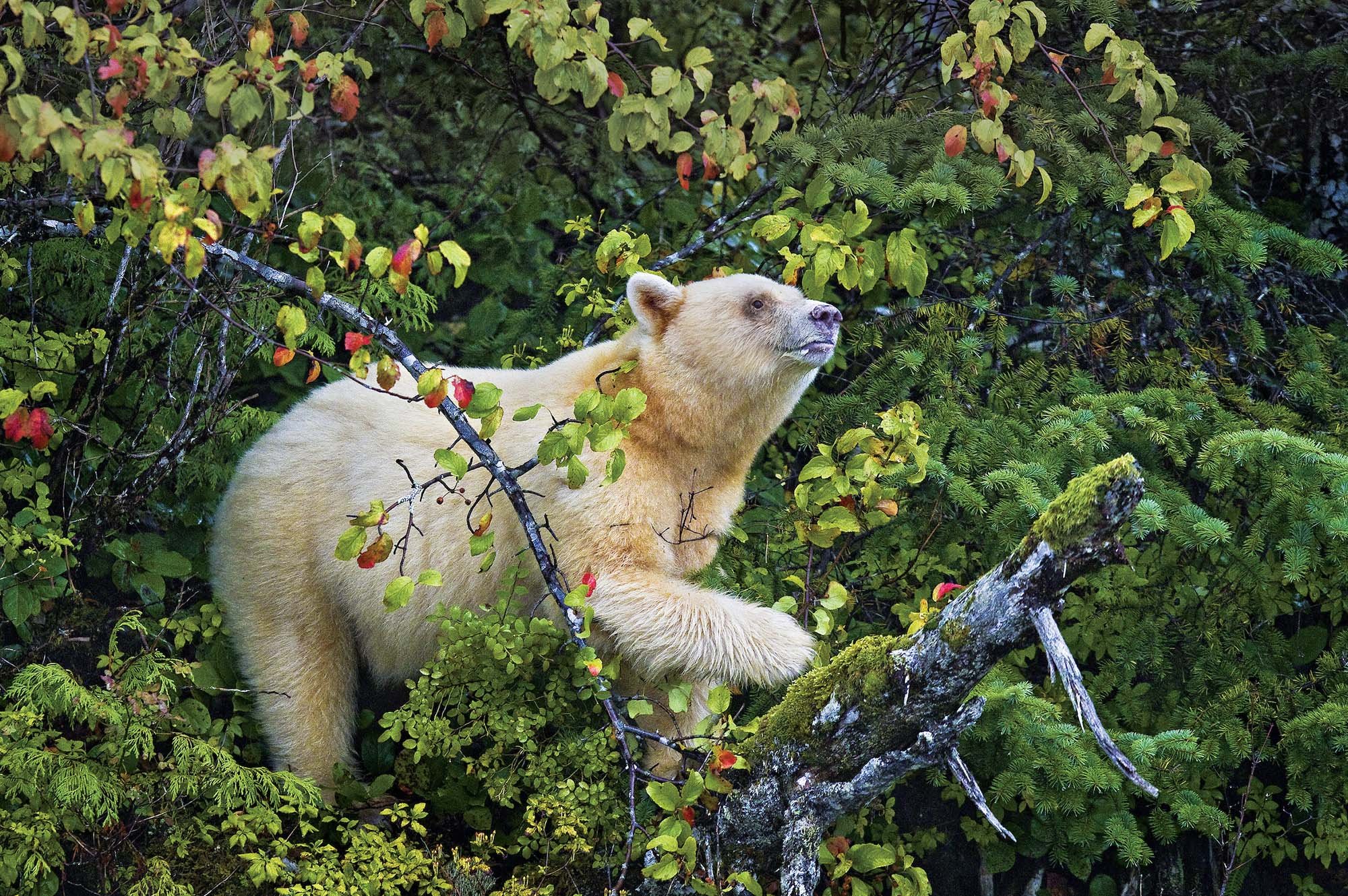
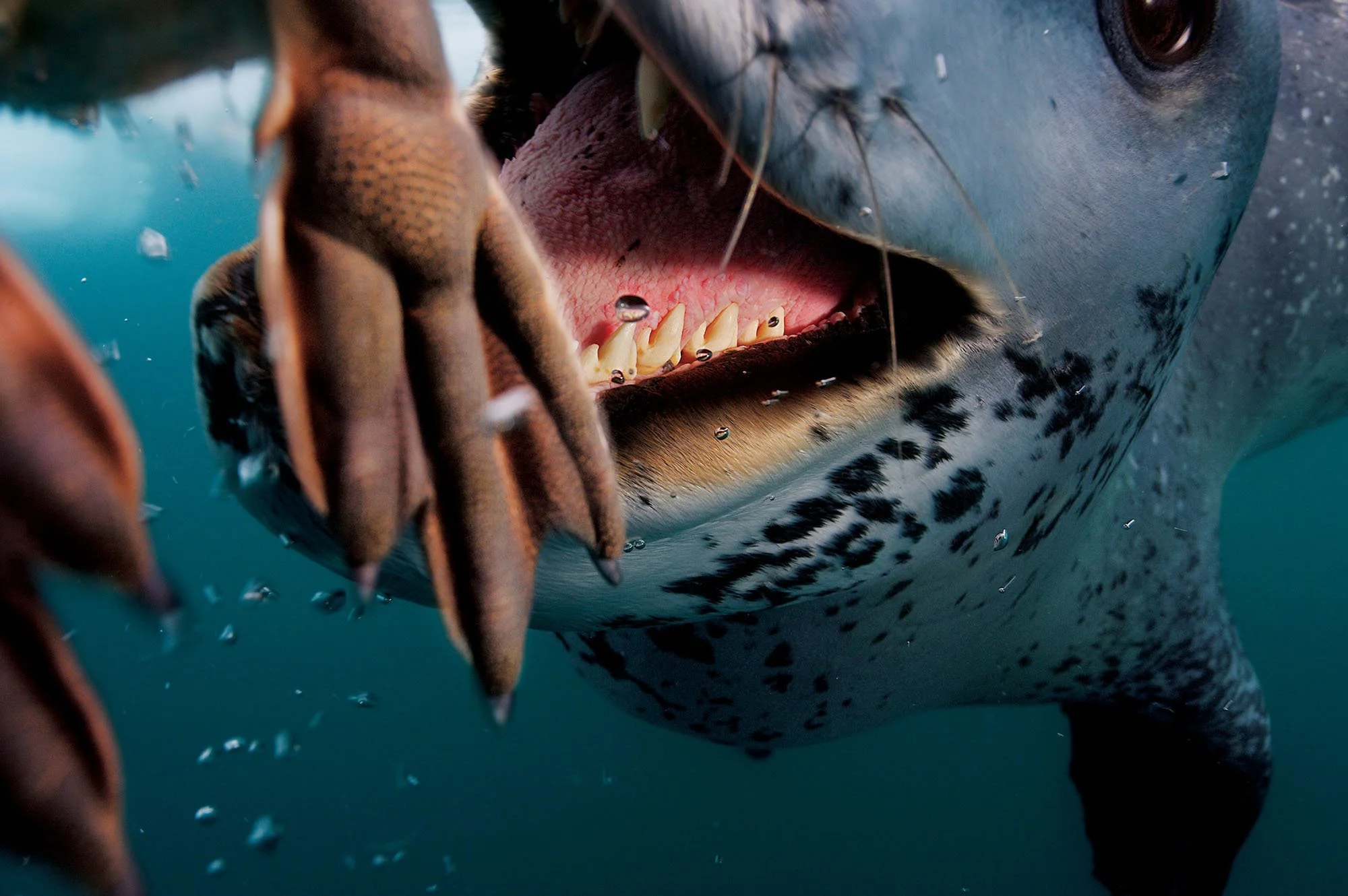
I did a spirit bear story for National Geographic. Out of 80 days of shooting, I almost never saw the bear, especially during the first season. I went back a second year and had better luck working with the First Nations who opened up a river ecosystem to me where nobody else was going. On the last three days of the shoot this big male finally came out of the forest and just gave it to me. It's as if I was living the life of a fly on the wall, walking through the forest with this beautiful bear. To watch him sleeping and to be sleeping next to him in the forest, watching him eat, hunt, walk on logs, go in the river…we were so close and so intimate. To have some of those images in the book is just so powerful and special for me. I don't really care if they're technically perfect, I care that you feel what I felt. It's like a test to see if you love this planet as much as I do or if you see the beauty that I see.
Looking back through these photos taken over 30 years, did you notice any changes both in the world itself but then similarly your own work and creativity? Did you notice yourself getting better?
When I started at National Geographic I was one of those young cocky photographers at 30 years old. I thought the world owed me favors and I thought I was great. I remember back then editors pushing up against my work and not liking some of my stuff. I remember in my mind that it was great and they just didn't understand me. Now I've looked back at that work with incredible humility and I'm like, my God, I was awful to think that my work was something special. As I've gone along, I've been humbled both by nature, by photography and by my own. Nature is perfect – I'm just trying to do it justice and I'm still struggling to do it justice. I fail 98% of the time when I wake up and say, ‘today's the day I'm going to shoot a masterpiece’. I still don’t know if I've shot a masterpiece. I'm still a humble student trying to do these animals and these ecosystems justice.
Is there a particular image in the book that really stands out to you as a favorite, and if so why?
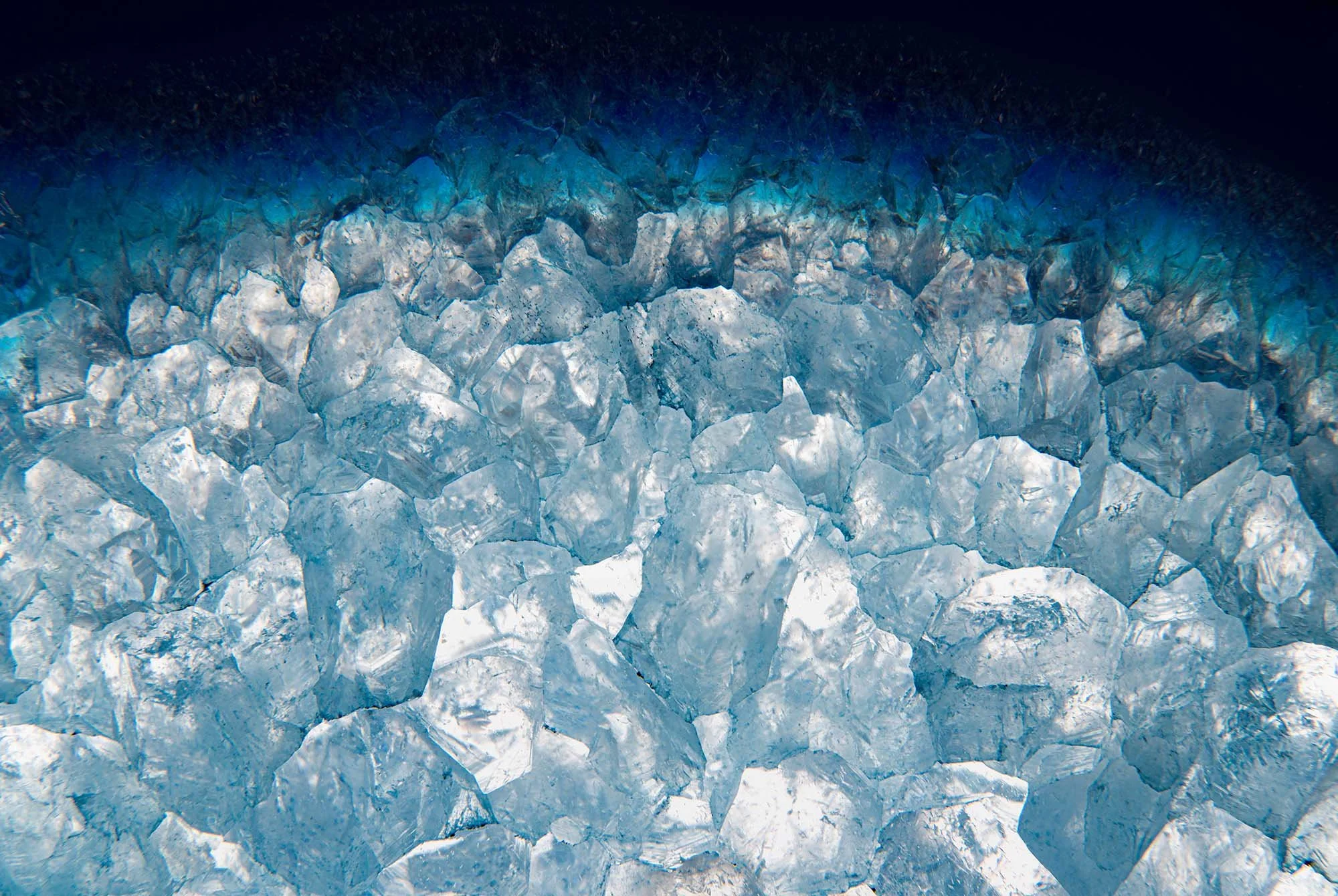
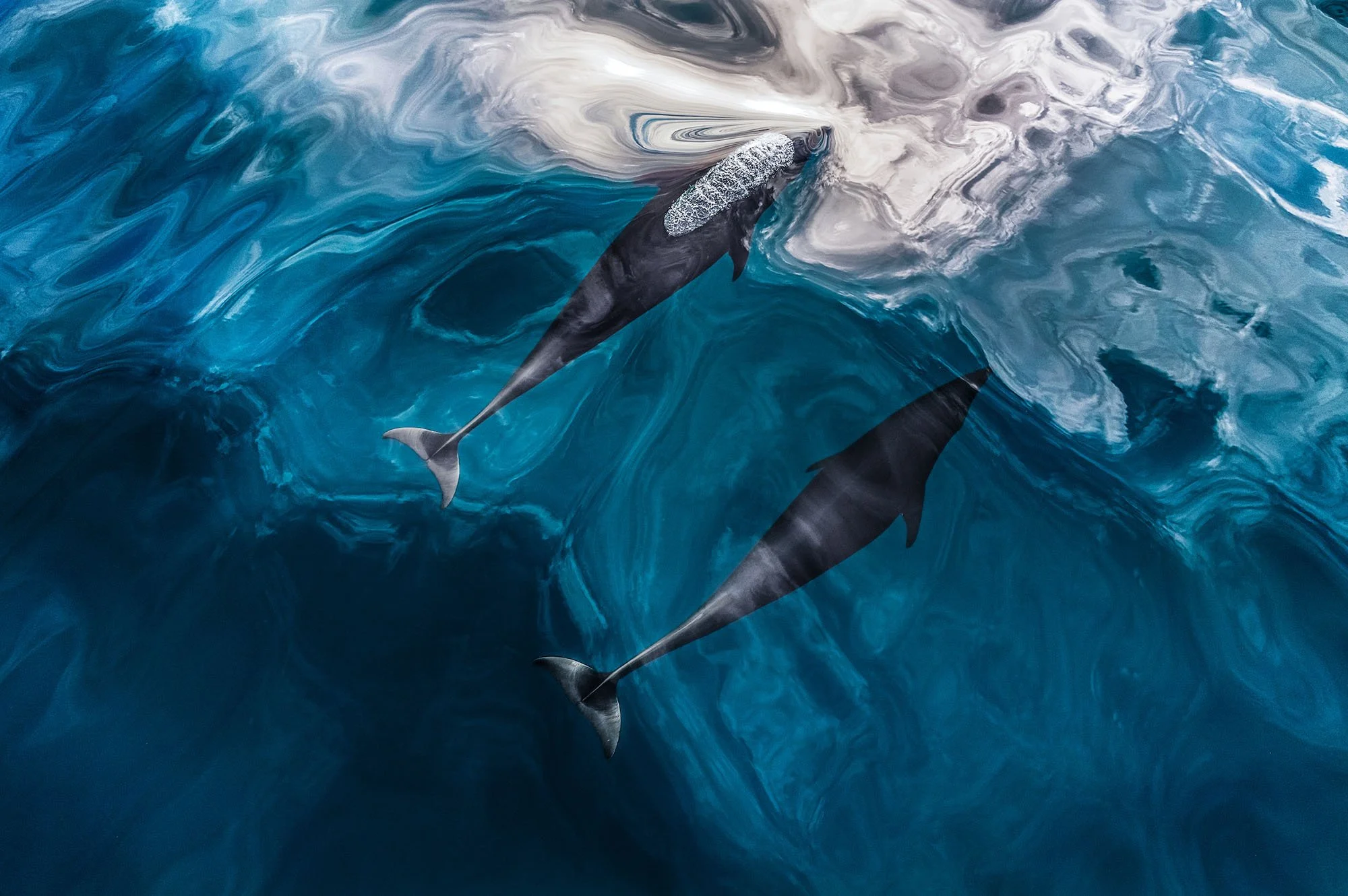
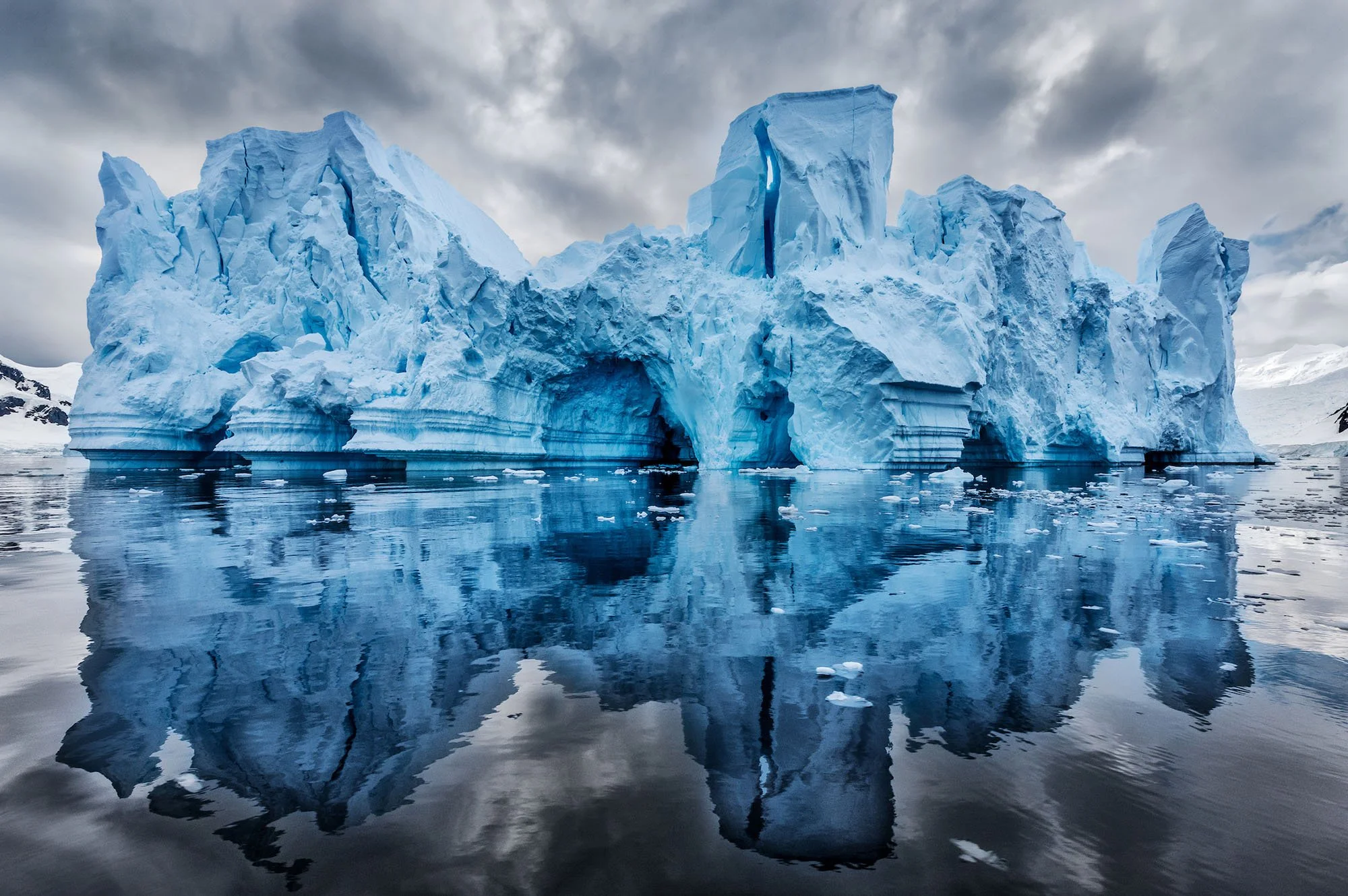
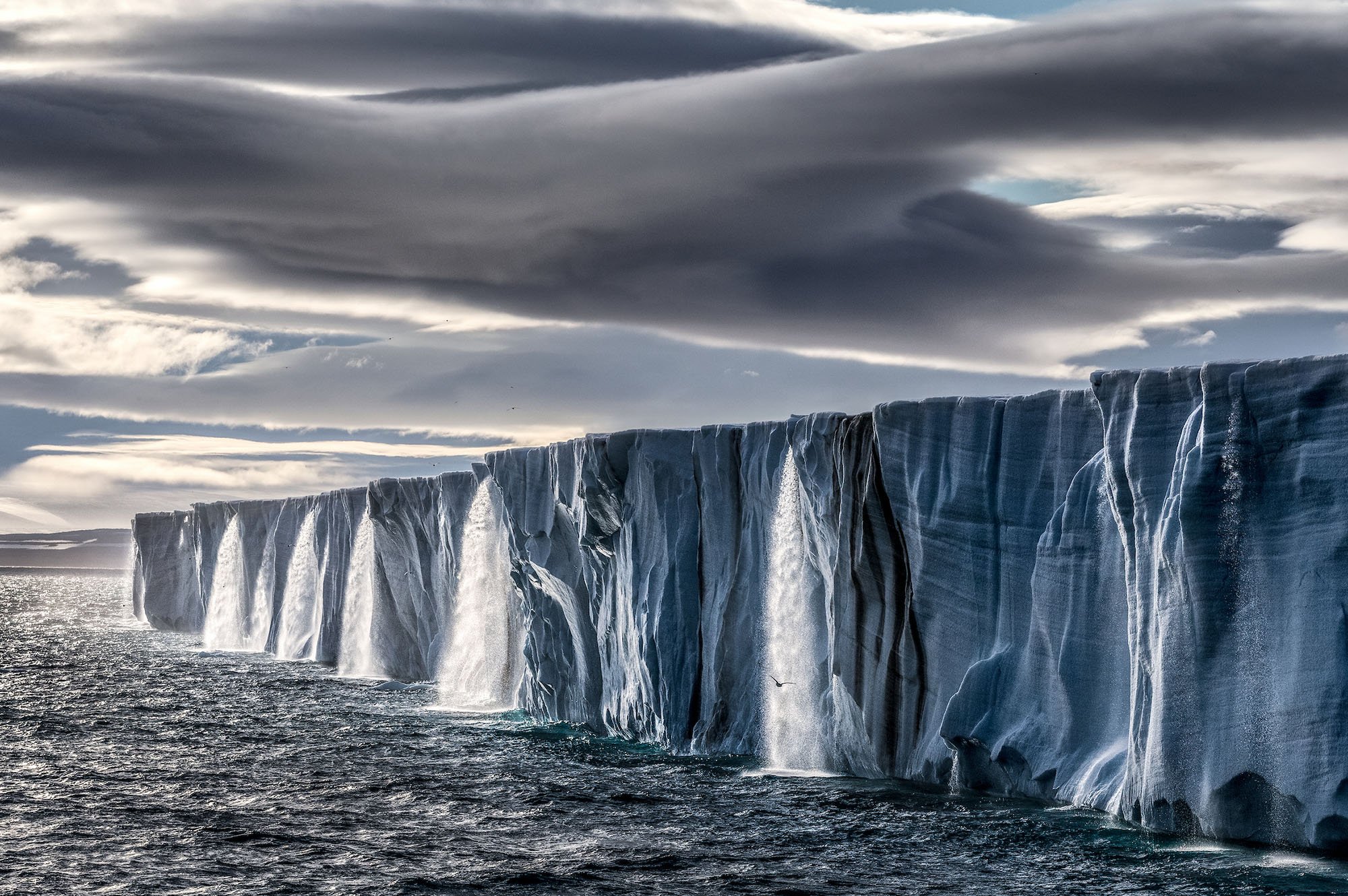
Helen Clifton is a matriarch in a First Nation village near us who's now 95 years old. When I go up to visit her, she holds up the National Geographic I shot with a spirit bear on the cover. She thanks me for coming and helping to keep the mountain gateway pipeline out of the territory. Those are the ones that you're the most proud of because there's so much meaning in those images, photos of areas and animals I’ve helped to protect. That's through my activism eyes. But if I look at 'em for art, I get little butterflies and knots in my stomach when I feel like I got it right, and that doesn't happen very often. Some of my most beautiful images or my favorites are the most imperfect, like the polar bear that's diving underwater with a reflection. That was on every Apple TV and on every computer screensaver. It's so blurry and grainy but it just creates a feeling, gives me little butterflies when I see it. It's a little piece of art, an incredible memory, and it's gone on to really speak as an advocate for polar bears and to talk about them needing sea ice in order to survive. “Ice Waterfall” was on the cover of a Pearl Jam record. That's one that really took me out of my echo chamber. And then that was the opening gate fold in National Geographic where they talk about climate change. Al Gore uses it in presentations.
You mentioned cultural or political touchpoints like Pearl Jam, Al Gore and Apple TV, people or institutions that have resonated with your work. Is that a rewarding feeling for you, when you feel like an image of yours leaves ‘the echo chamber’ and changes the needle?
If I see my image on the cover of Pearl Jam, I don't go, ‘I'm the man, I'm on the cover of Pearl Jam’, but I'm like, ‘wow, this is really an opportunity’. We do what we do because we want to have a bigger microphone. I was proud to do a TED Talk, because millions of people have seen my TED Talk, and it was about conservation, it was about caring, it was about reverence. It was about connecting back with nature. If my imagery can push the needle, that’s great. I want to achieve conservation with powerful photography.
If there was one person in the world that you could make sure had a copy of Reverence, who would it be and why?
I'd love just to touch one little nodule in Trump's black heart. I want somebody who's so dark, so disconnected, so focused on greed, money and power that they've become so lost and so removed to what this planet is really about. He's just opened up the Arctic National Wildlife Refuge again to oil and he's just destroying everything he can. I think that's just an evil darkness. But if my book could sway a little bit of him, trigger something within him, that would be a win. Maybe one of his grandkids goes, ‘Look granddad, look at this beautiful penguin’, and maybe that could make a difference.
You said that you’ve only really ever felt in danger in big cities and that the only time you've been attacked was on the subway in New York. Are there any photos in the book where you did feel really out of your comfort zone, or like your life was in danger? And is that something you like about your work, the adrenaline?
It's a very interesting question you ask because my work is almost feminine in a way. It's very non-macho. When you look at a lot of male photographers’ work, they like the big male bears, the panthers, the scary title. I'm the opposite – my stuff is very quiet, soft, gentle, effeminate in a way. I spend so much time with animals that they're so relaxed around me and I'm so relaxed around them that everything has a quiet feel. My goal in life is to be a ghost, a fly on the wall and to not affect the moment or the behavior of that animal at all.
I don't have a lot of scary moments, but I crashed two airplanes. In one crash I hurt my back very badly. On the second one, I crashed into an Arctic lake while on assignment and was trapped in a cockpit upside down in icy cold water. I almost didn't make it out. There's a 99% death rate with that type of incident on floatplanes. I've been charged by grizzly bears, but it's always my mistake. If you get too close to an animal, it lets you know. For every scary moment I've ever had, there's a million powerful, peaceful, calm, special moments where sitting next to a spirit bear in a rainforest while it's sleeping under a tree, and you're sitting there hearing wolves howling in the distance. Spending so much time with a pack of wolves to the point that they accept you and they drop off all their puppies with you while they go out hunting, becoming a babysitter. That’s what I remember.
And as somebody who has had a pretty clear eyed and focused view on our environment for a long time now, capturing so many parts of it, how concerned are you for its immediate future?
For my own mental health and sanity, I need to find hope. I need to focus on that. 25 years ago on assignment for National Geographic, I couldn't get a scientist to go on the record and say that climate change was real and we're the cause of it. So at least we're all talking about it. I just did a lecture to 3000 Republicans in Palm Desert and to be able to talk about climate change openly, to get a standing ovation, means people are getting it. If we don't address climate change then nothing else will matter. Of course, your heart goes out to the Ukraine and to Gaza, and you give money and you give your social media platforms, but we must address climate change, which is not moving as fast as it’s really hard to “see”. But of course there are days that I think we're all doomed, we're all done, we're facing our sixth mass extinction, and there’s still a disconnect there.
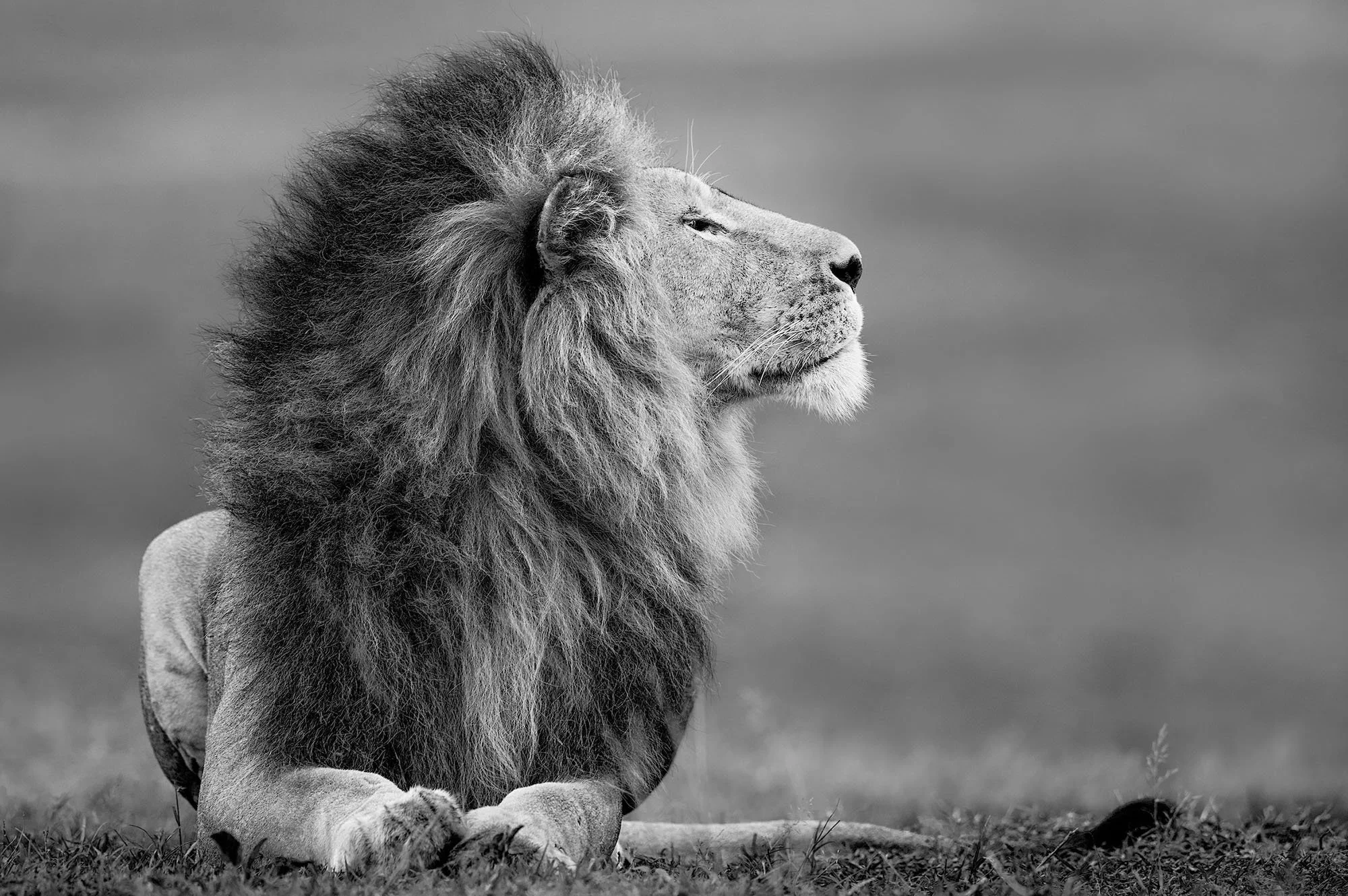
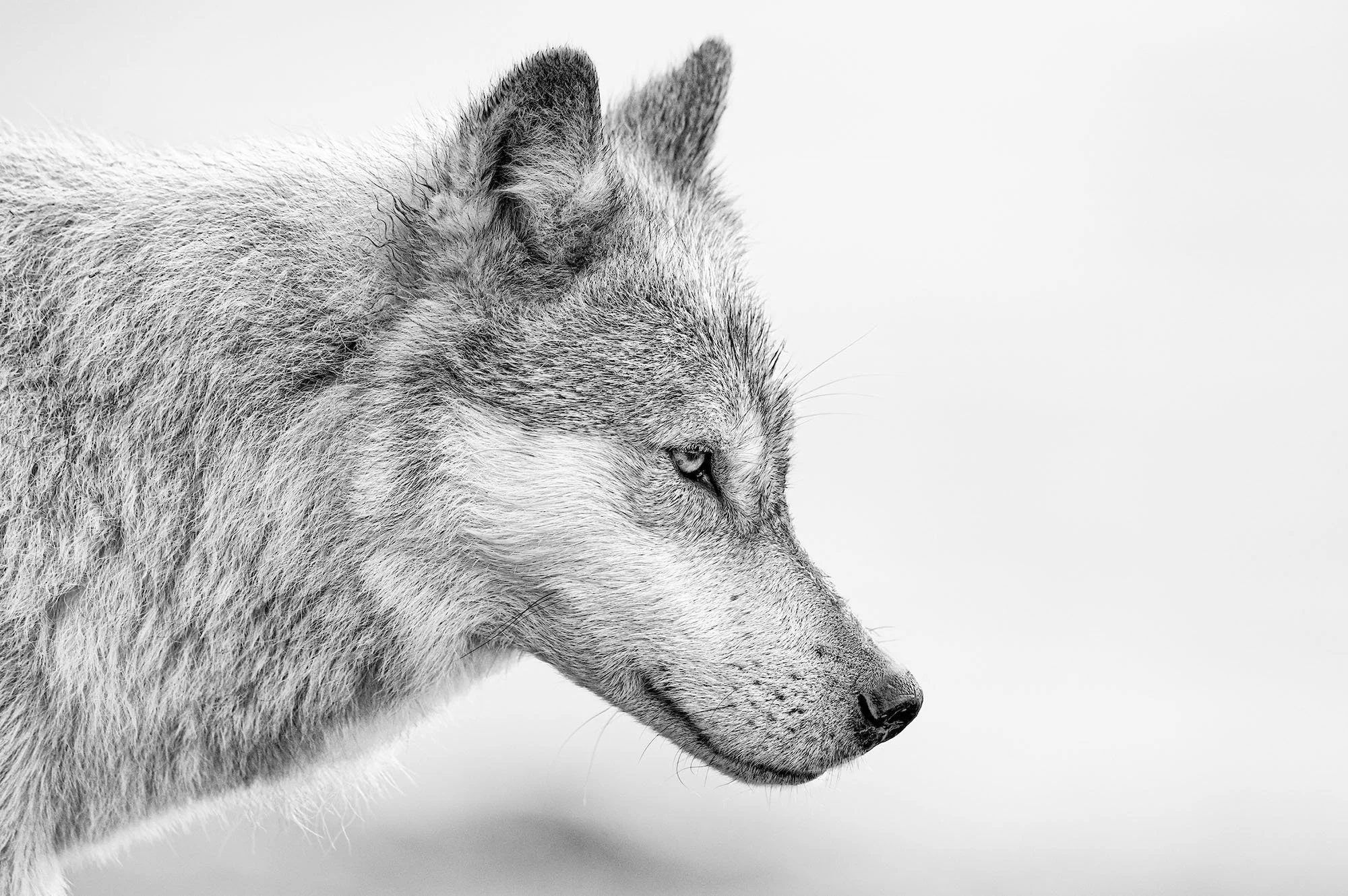
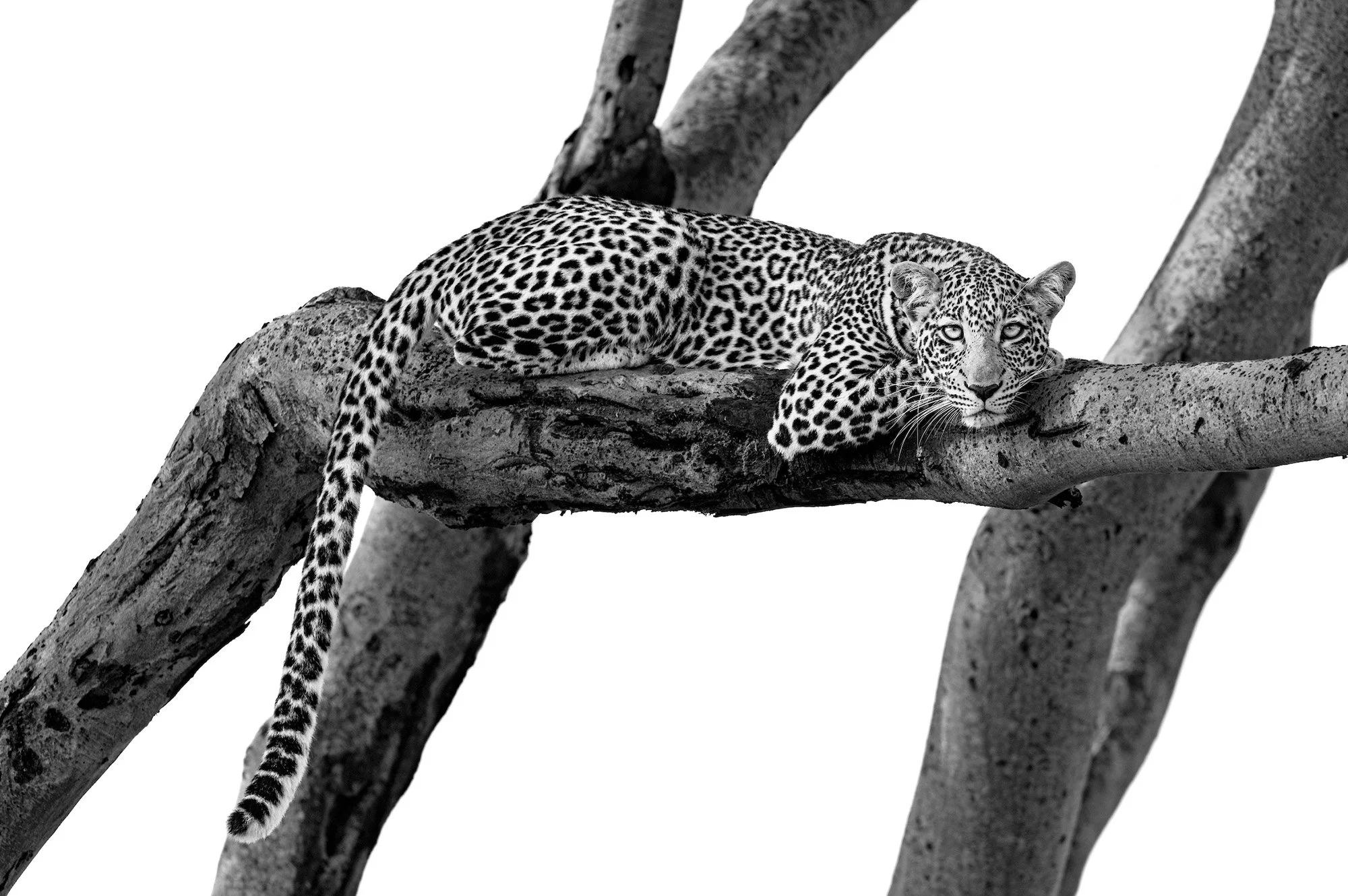
“I'm still a humble student trying to do these animals and these ecosystems justice”
Paul Nicklen
Did any part of you growing up as a child so close to the North Pole ever imagine you’d become a globally-renowned photographer?
When I was a kid my mom had a darkroom in the house, and then she’d get her negatives developed in Montréal. She would make these beautiful prints, just like magic. She was capturing the beauty of the Inuit culture and the lives lived out on the sea ice. This was back in the mid-70s, we didn't have a telephone, a television or a radio, and there was no reason to be in the house. All of our time was spent outside. Growing up there, you don't think anything is available to you in life, but you feel there's a world out there. We had our Jacques Cousteau books, we had our encyclopedias, but every time you had a dream, you would just say, ‘Well, don't be silly. Get rid of that thought. Of course, you're never going to be a photographer’. It was probably more realistic to try and become an astronaut. But when I finally went to university in 1986 I was 18 years old and I discovered that I could learn to scuba dive for a hundred dollars. So off I went and then knew I had to take pictures underwater. That's where the obsession kicked in. My dad was like, ‘What are you doing? Photography is a waste of time and money. Get a real job, work for the government’. My mom snuck me some money one day and said, ‘go buy yourself your dream lens’. And I did. That's how it started.
READ MORE