Field Notes: A Cleanup at the Far End of the World
In this special edition, Parley Chile’s River Projects Manager Liliana Plaza reports from the Las Minas River in one of Chile’s southernmost cities
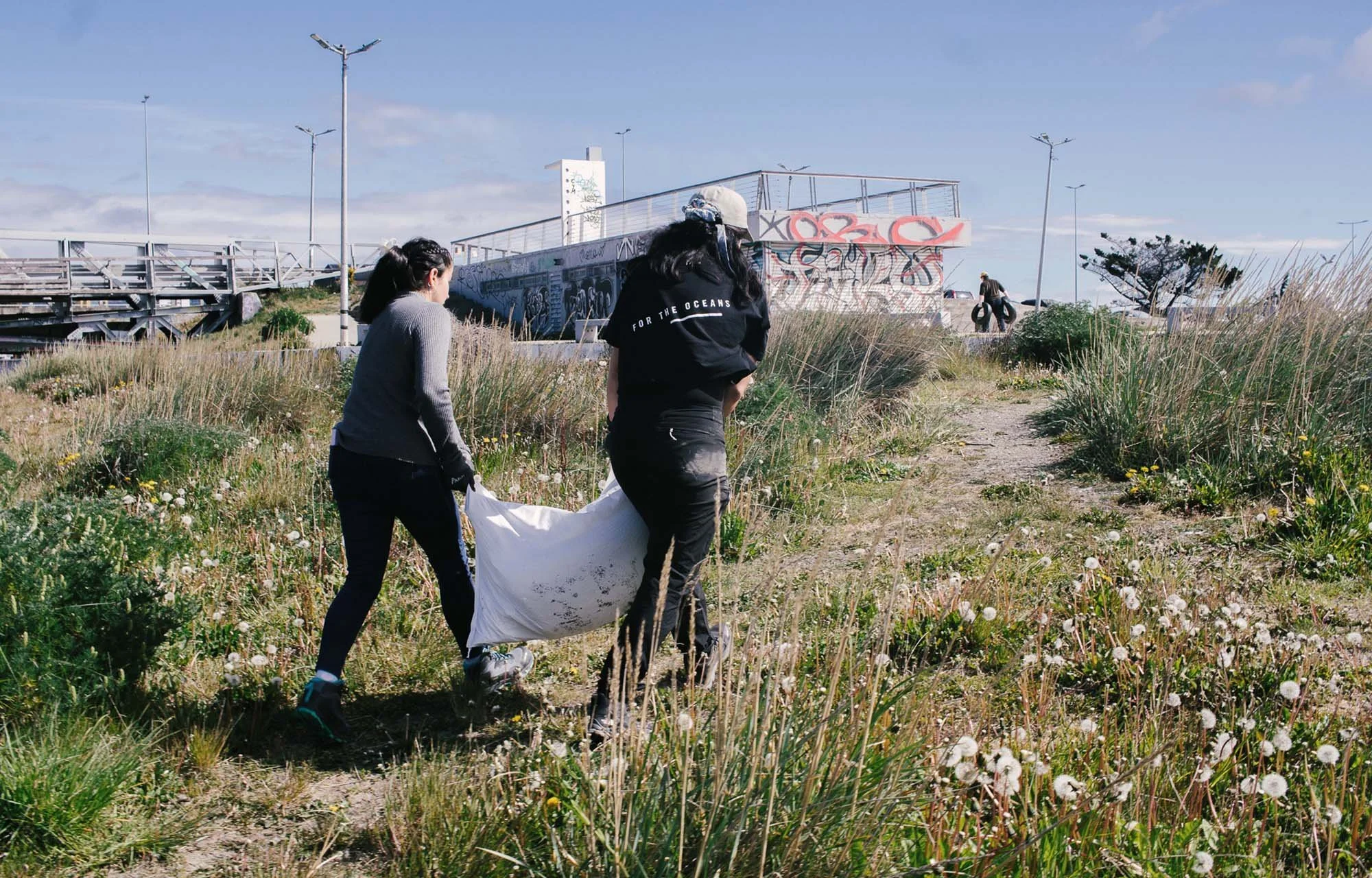
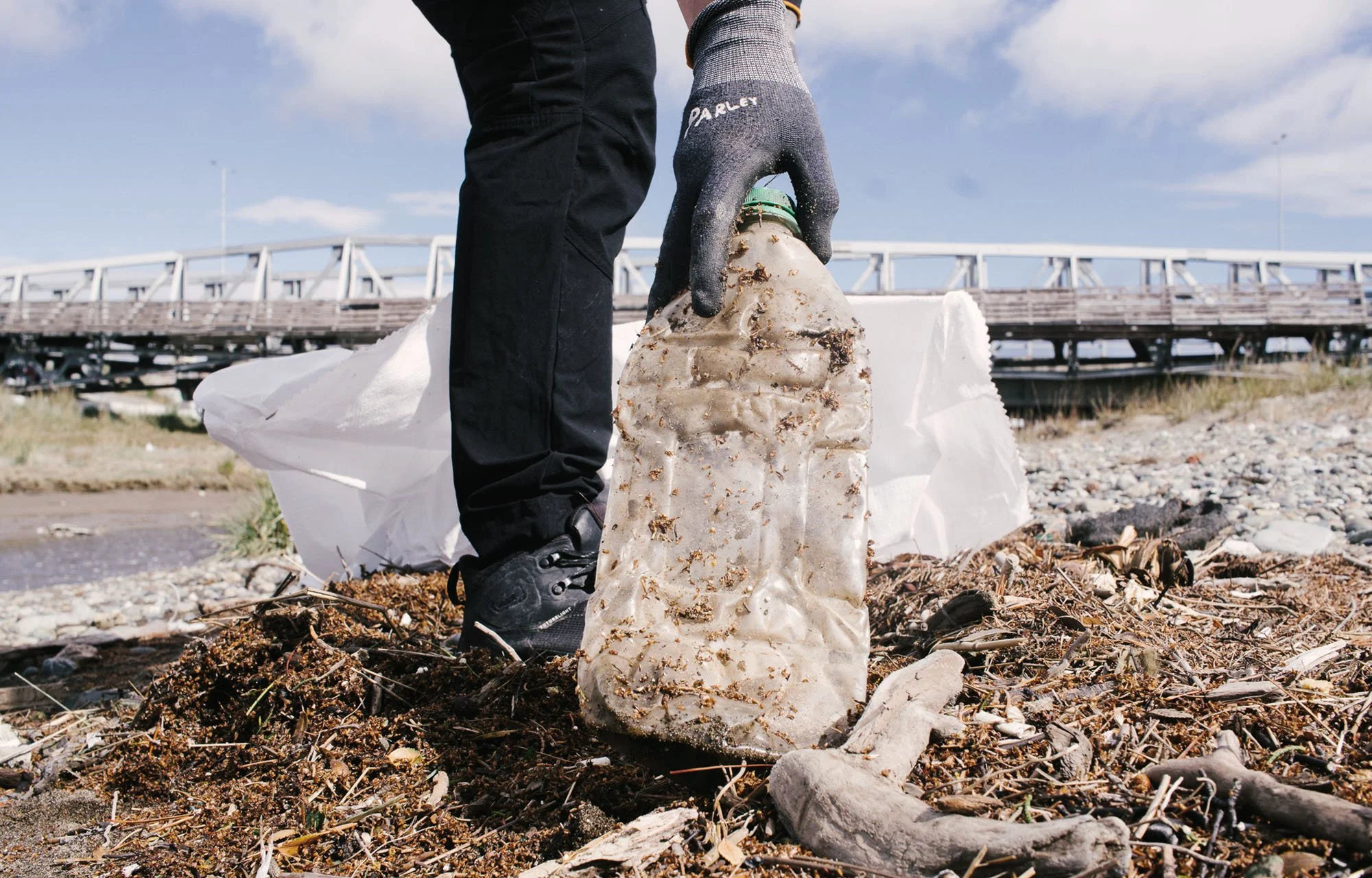
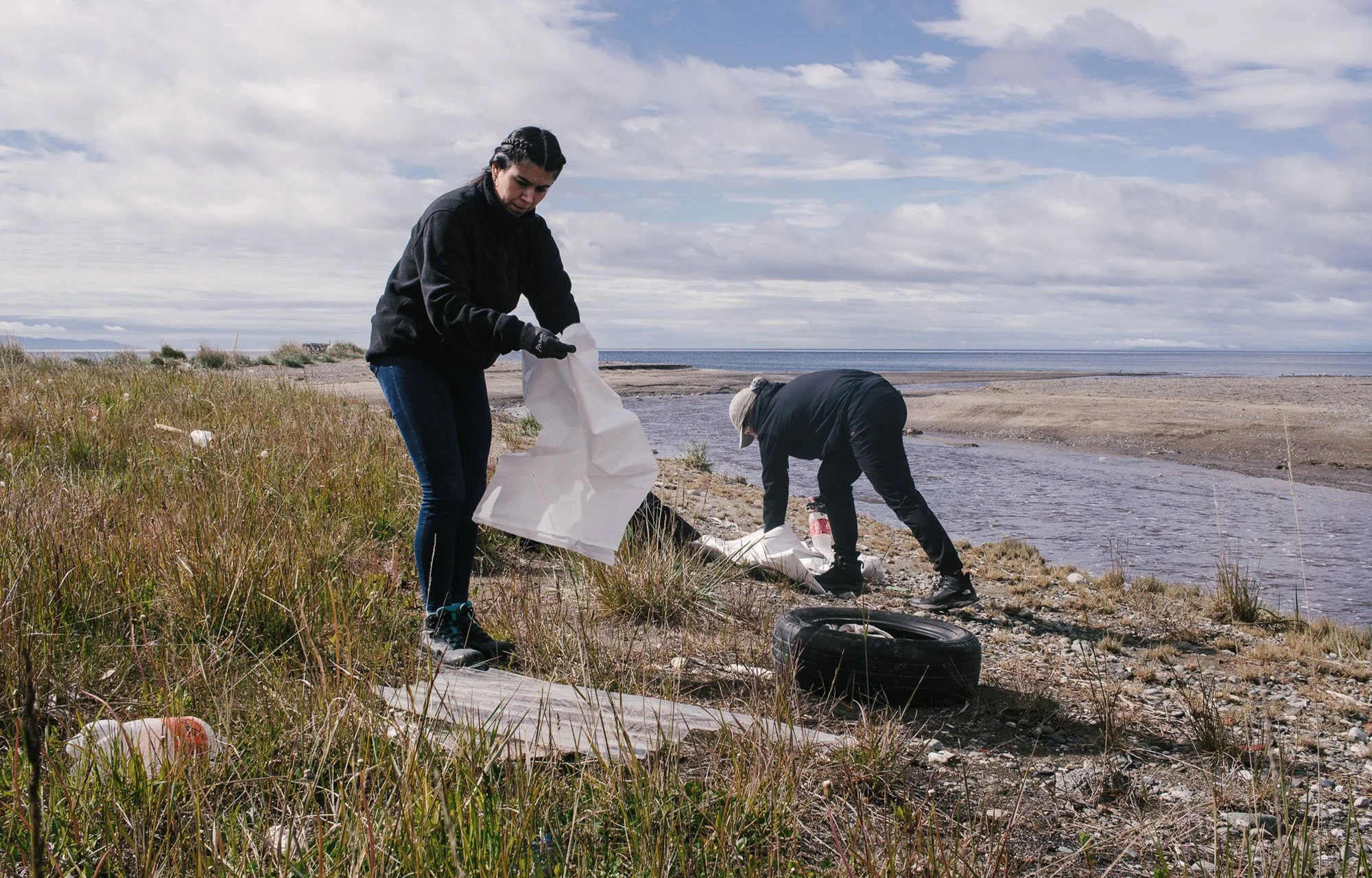
In Punta Arenas, where the wind seems to carry ancient stories and the cold reminds us we are in one of the southernmost cities on the planet, the day dawned differently. The unpredictable and almost always-adverse weather decided, just this once, to be on our side. Under a sky where fast-moving clouds mixed with flashes of Magellanic light, a group of us gathered to do something simple yet urgent: care for a river that flows directly into the Strait of Magellan, where the infinite blue ocean receives, season after season, the whales that come here to feed and to endure the relentless maritime fleets that cross their migratory routes.
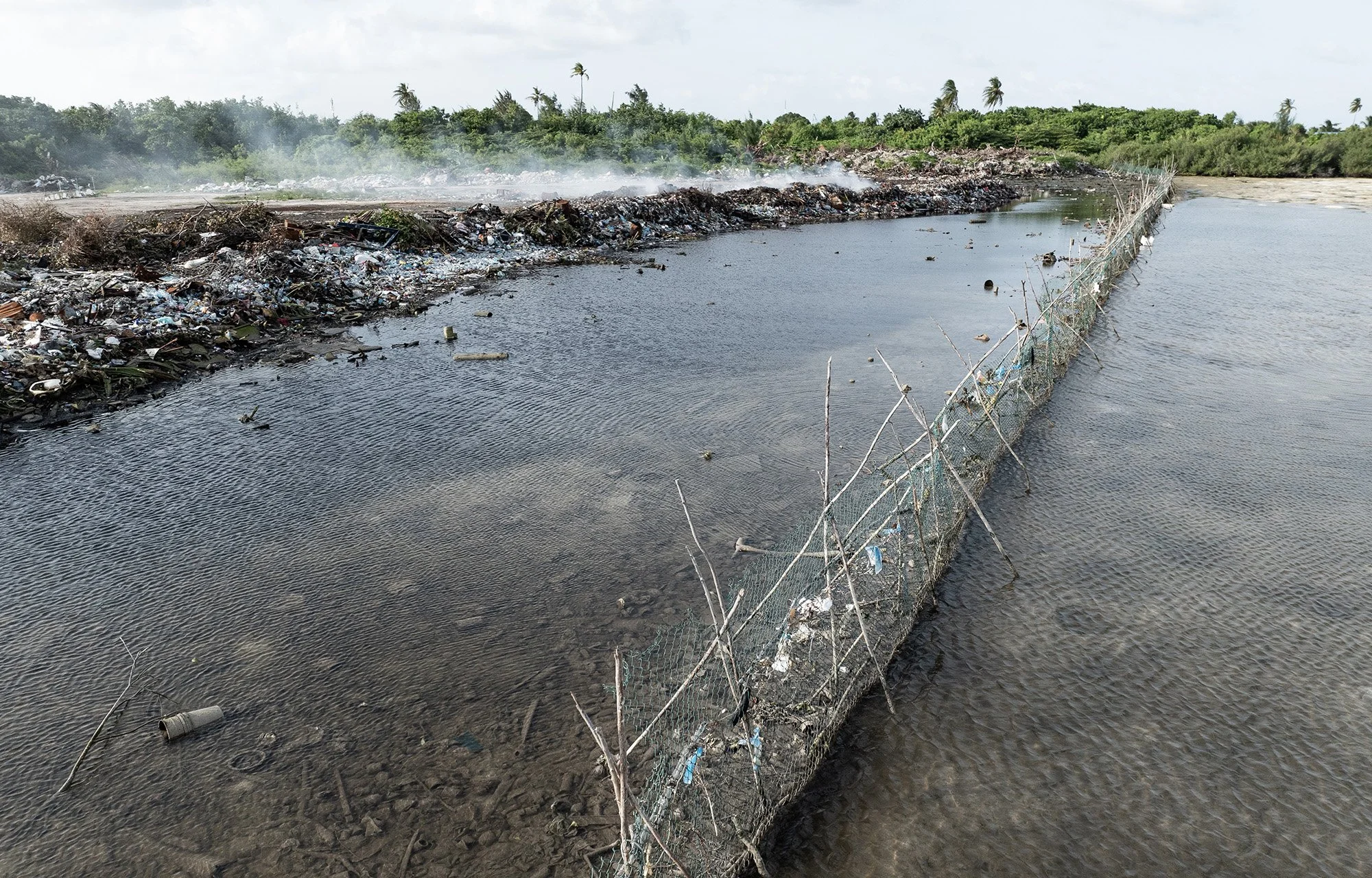
Here, at the far south of the south, where we imagine pristine waters and untouched landscapes, the rivers also carry the burden of inadequate waste management. That is exactly why Parley Chile came to work here, joined by a handful of brave volunteers. The Las Minas River, which cuts across the entire city, originates in the protected Magallanes Reserve. Along its course it carries not only fallen tree trunks and the reddish nutrients of the sediment that blankets the area, but also the traces of a growing, overwhelmed city: tires, debris and human interventions scattered along its upper sections, at its mouth and on the beach.
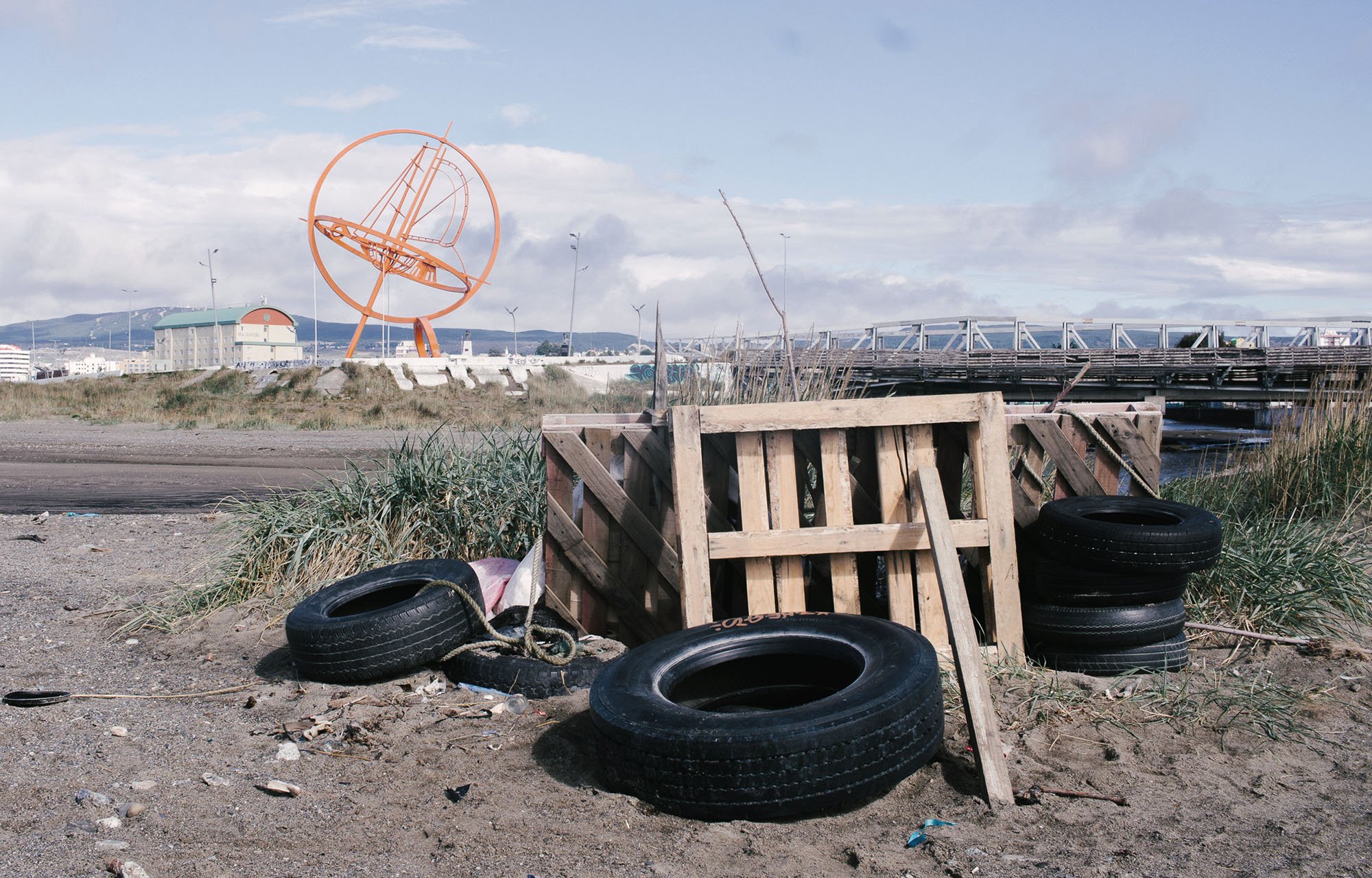
This river, which today seems calm and defenseless against the waste, was not always so. In 2012, it changed the way residents related to this ecosystem, when a major overflow triggered a structural collapse throughout the city. That event led to urban development projects that, to this day, seem to forget the force of nature. We can only hope the waste trapped along its path does not one day become the cause of another entirely avoidable collapse.
That morning, the landscape was overwhelming. The cold wind swept across us, and what looked like a quiet shoreline hid, beneath the low tide and among the riparian vegetation, a vast array of objects that never should have ended up there. In just two hours, we removed 435 kilos of waste: tires buried under who knows how many winters, plastic bottles dragged by the current and shopping bags that had traveled downstream – almost to the sea. Of that total, only about 10 kilos were recyclable materials, which we delivered to the local recycling point.
“Cleaning at the end of the world is remembering that the ocean begins long before the coastline and that this is not the end.
it is the beginning.”
Liliana Plaza, Parley Chile
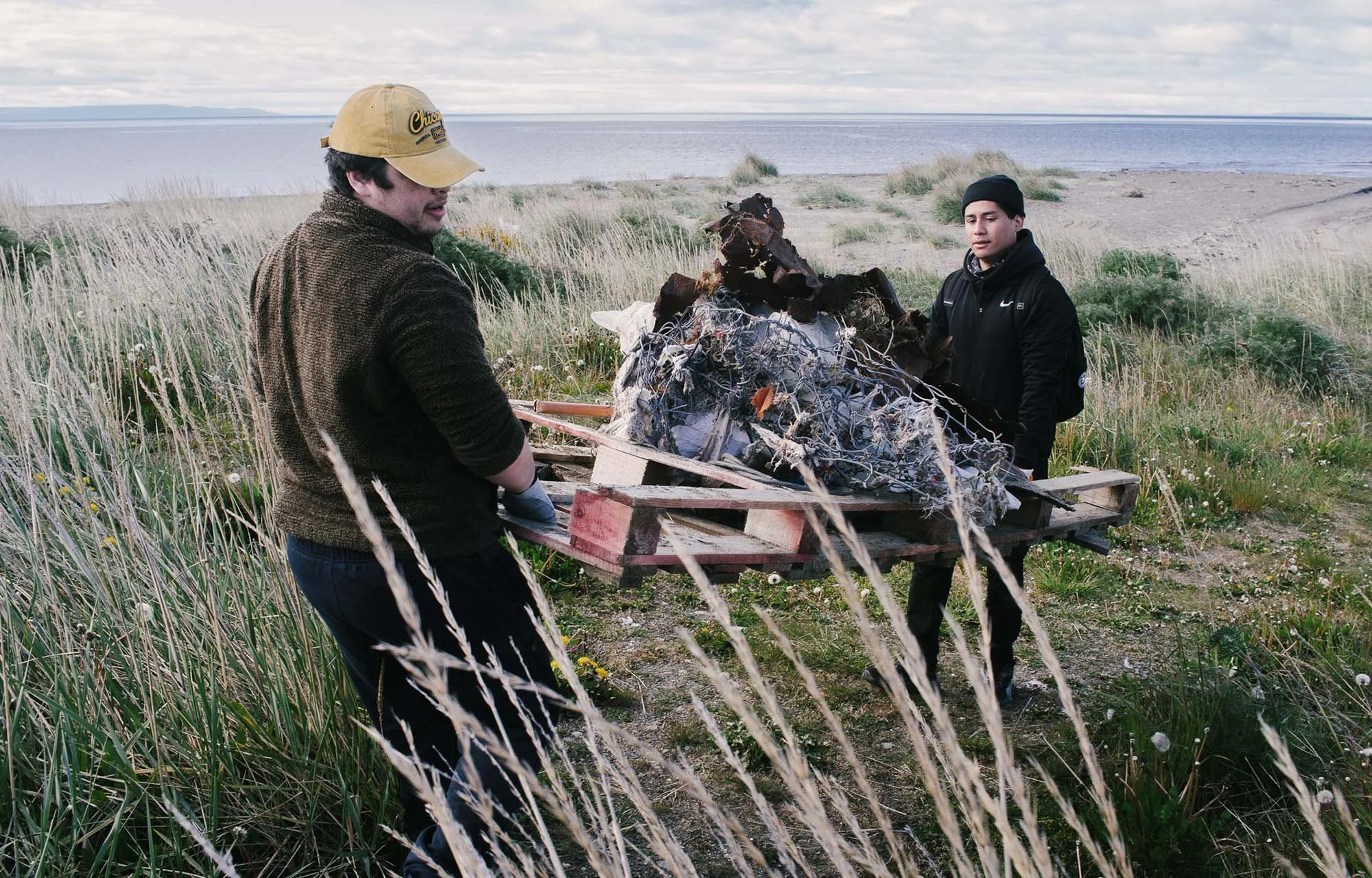
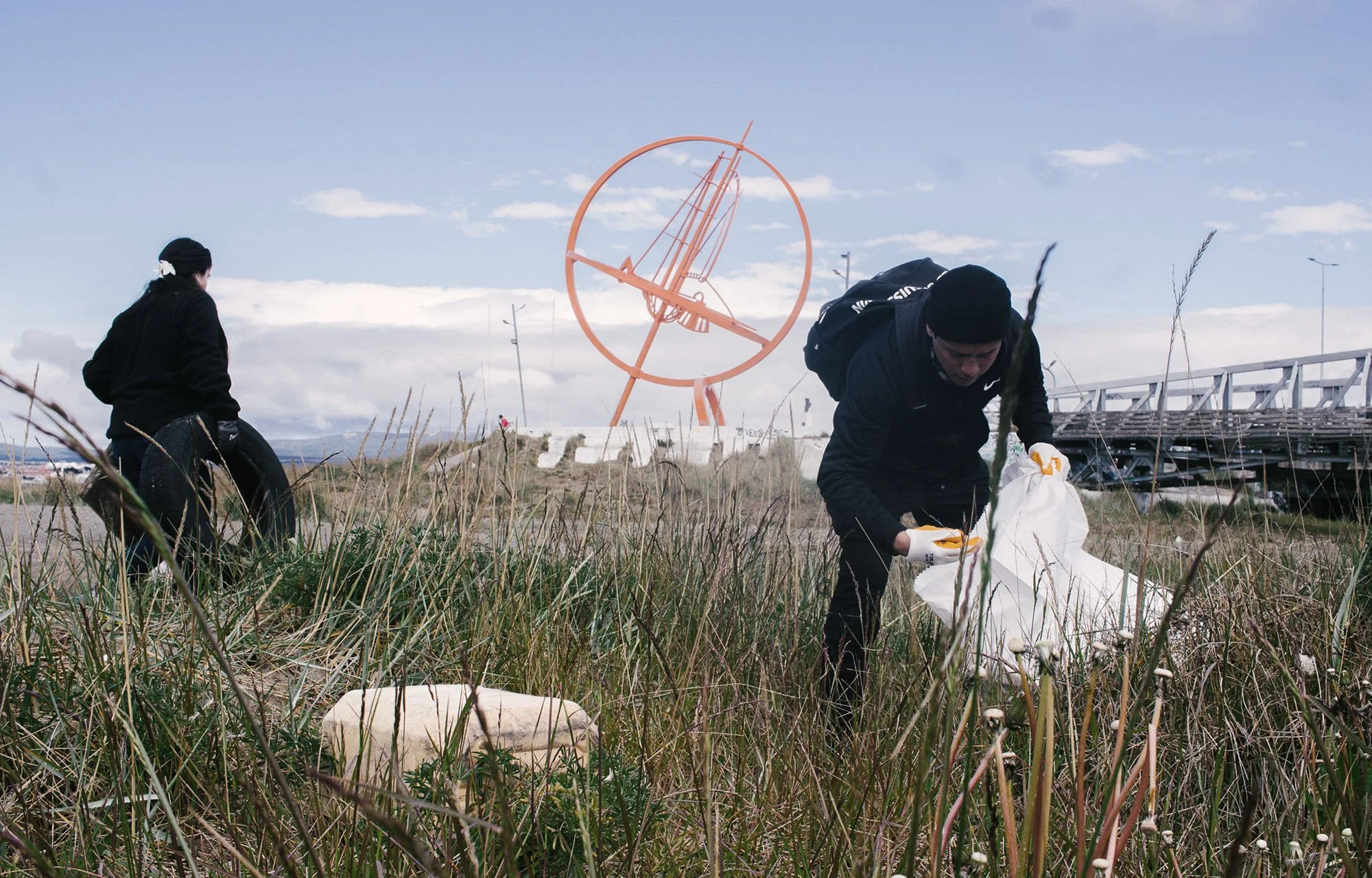
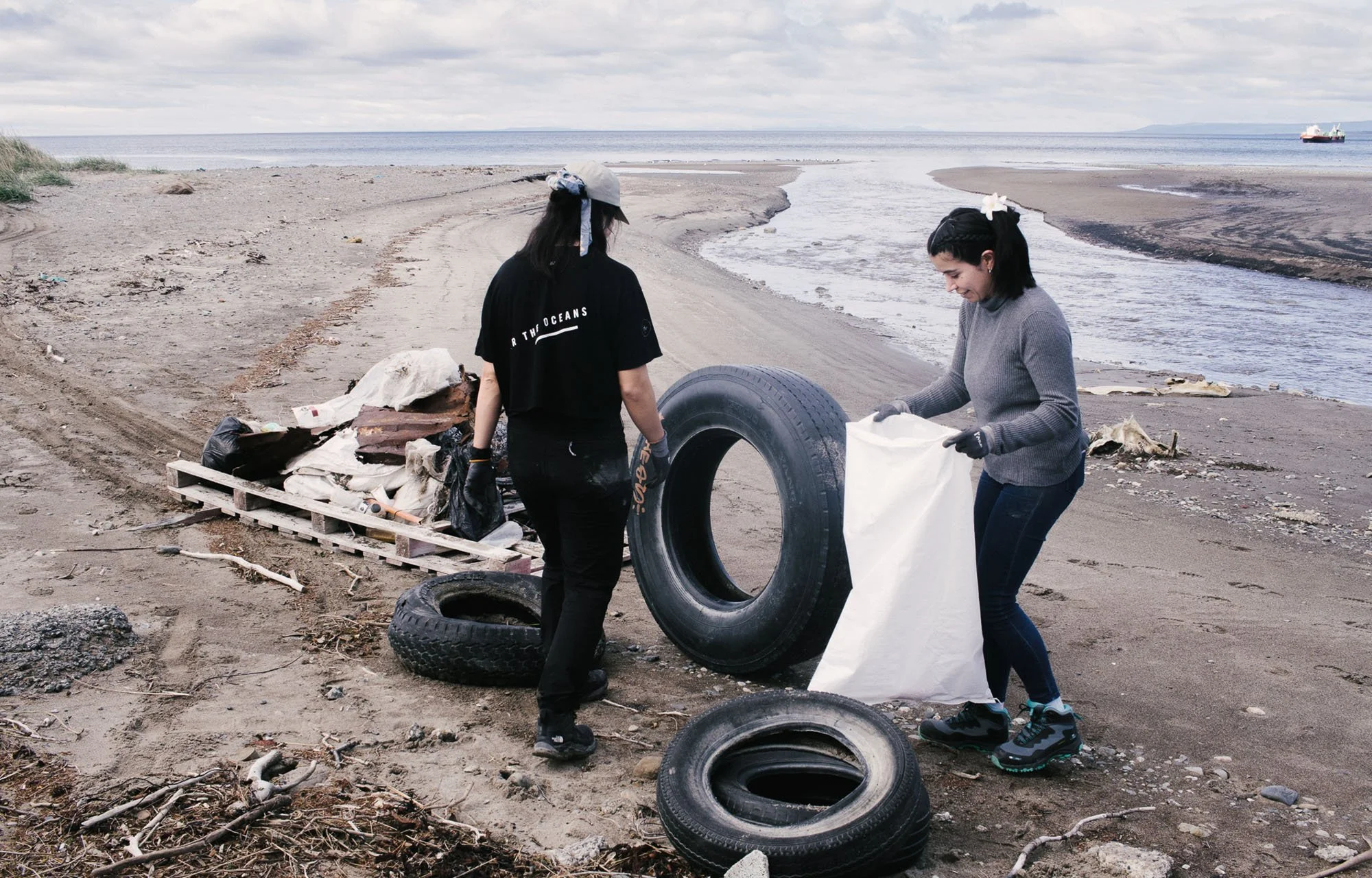
In this southern region, tires are not considered a recyclable material. We were only 15 volunteers, but the energy of the place and our shared conviction multiplied every effort. And that is exactly what drives us at Parley: to intervene before waste reaches the ocean. Punta Arenas lives off tourism off its landscape, its identity tied to water and wind. If we can stop pollution in the river, if we can recycle before the tide hides everything again, we are winning a silent but decisive battle. However, it also requires institutional commitment to expand the list of recyclable materials, which are visibly overwhelming both the city and its landfill.
When we finished, the wind rose again, as if wanting to sweep away everything that no longer belonged there. We looked at the river the one that runs through the whole city before meeting the ocean and we knew this was only the first step. In 2026, more cleanups will come. More days like this. More community. Because even here, where nature seems to rule with a firm hand, human impact is visible and so is our capacity to correct course.
READ MORE