Science vs Plastic: A new way to upcycle plastic, inspired by fungi
We catch up with materials scientist dr. yimin wu to learn about a new catalyst powered by sunlight that breaks down plastic in a process inspired by nature

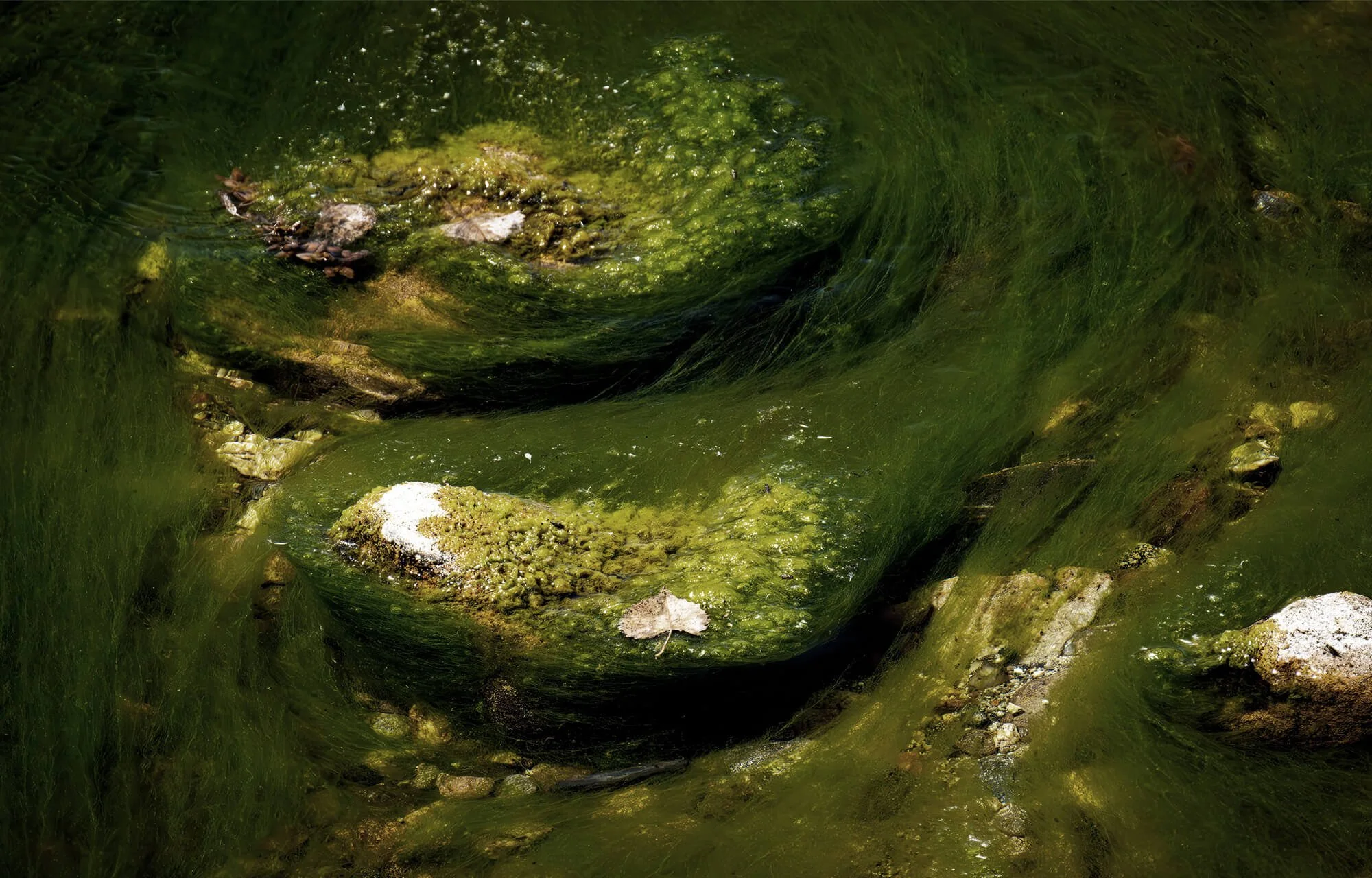
Throughout our planet’s vast forests, over the course of eons, fungi like Phanerochaete chrysosporium have tirelessly worked to break down dead wood and recycle its nutrients back into ecosystems. The fungus does this by targeting lignin, one of the toughest polymers found in wood, and dismantling its complex carbon structures.
Now, inspired this natural phenomenom, scientists at the University of Waterloo in Canada have created a catalyst that mimics the process to break down plastic. Using hydrogen peroxide and a carbon nitride structure, the experiment turned a variety of plastics into acetic acid, aka vinegar. Crucially, the experimental process uses only sunlight as an energy source, instead of more carbon-intensive methods. It also works on plastics and microplastics in water, meaning it could potentially be used for river, lake and ocean remediation in the future. The research was led by PhD student Wei Wei under the guidance of Professor Yimin Wu – the inaugural Tang Family Chair in New Energy Materials and Sustainability at the University of Waterloo. We caught up with Dr. Wu to learn more about the process and its potential.


Q&A
Have you been working on microplastics and plastic waste for a long time, or is this a newer area for you?
Most of my research focuses on new energy materials and finding solutions to sustainability challenges. We started this project several years ago, with a focus on real-world plastic waste – things like bags, bottles and pipes – rather than just isolated materials. In everyday life, plastics are mixed together, so we try to address that complexity.
What inspired the new process you and your team developed?
Traditionally, plastic waste is handled in two ways: incineration or landfill. Incineration requires a lot of energy and produces carbon dioxide, while landfill can pollute groundwater. We wanted to try a new approach, inspired by how fungi break down materials in nature. Our goal was to convert plastic waste into something useful using sunlight.
Is sunlight alone enough to power the reaction?
Yes, sunlight alone is sufficient. We’ve even demonstrated the process during winter here in Canada, where sunlight is relatively weak. So in sunnier regions, it would be even more effective. More broadly, this work illustrates the power of single-atom catalysts and bio-inspired design – helping achieve complex chemical transformations under mild conditions.
For non-scientists, how can plastic possibly turn into something like vinegar?
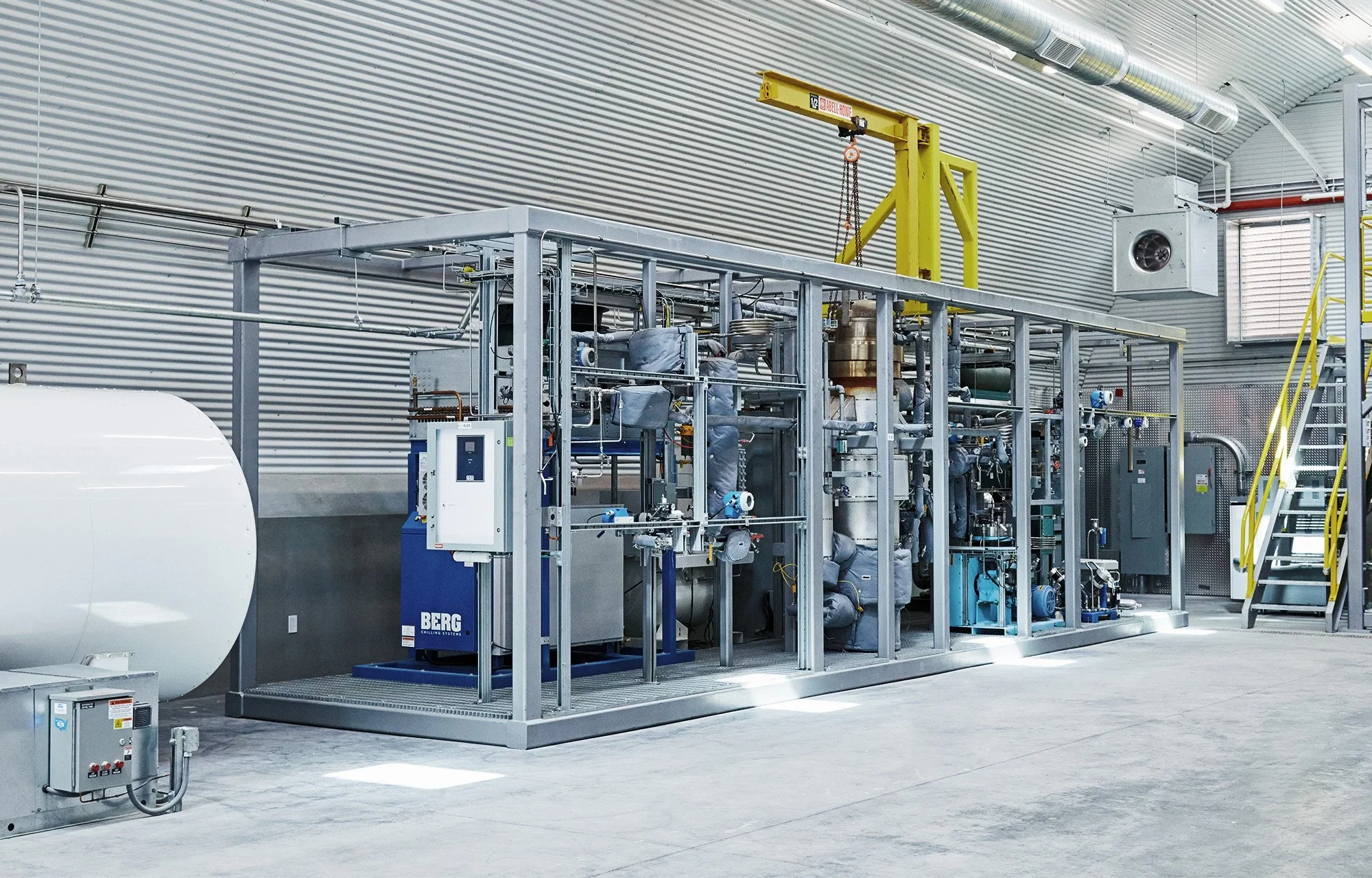
We grind plastics into small particles and place them in a reactor with hydrogen peroxide and a catalyst called carbon nitride. Using sunlight, the catalyst generates reactive ‘species’ that break down the plastic into carbon dioxide. Then, instead of releasing that CO2, the same catalyst converts it into acetic acid. So the catalyst performs two functions – breaking down plastic and transforming it into a useful product – without releasing carbon dioxide.
Do you envision this process being used more in recycling plants or for environmental remediation in actual lakes, rivers and oceans?
It can be used for both. For environmental cleanup, water containing microplastics can be collected from lakes or oceans and treated in reactors. For recycling, household plastic waste can be collected and processed in the same way.
There’s been previous research into using bacteria and fungi to break down plastics. How does your approach compare?
We don’t use actual fungi: we mimic their behavior. Real fungi can have limitations, such as short lifespans and slow processing speeds. Our method is more efficient because we use engineered materials instead.
“We wanted to try a new approach,
inspired by how fungi break down materials in nature.”
Dr. Yimin Wu — University of Waterloo
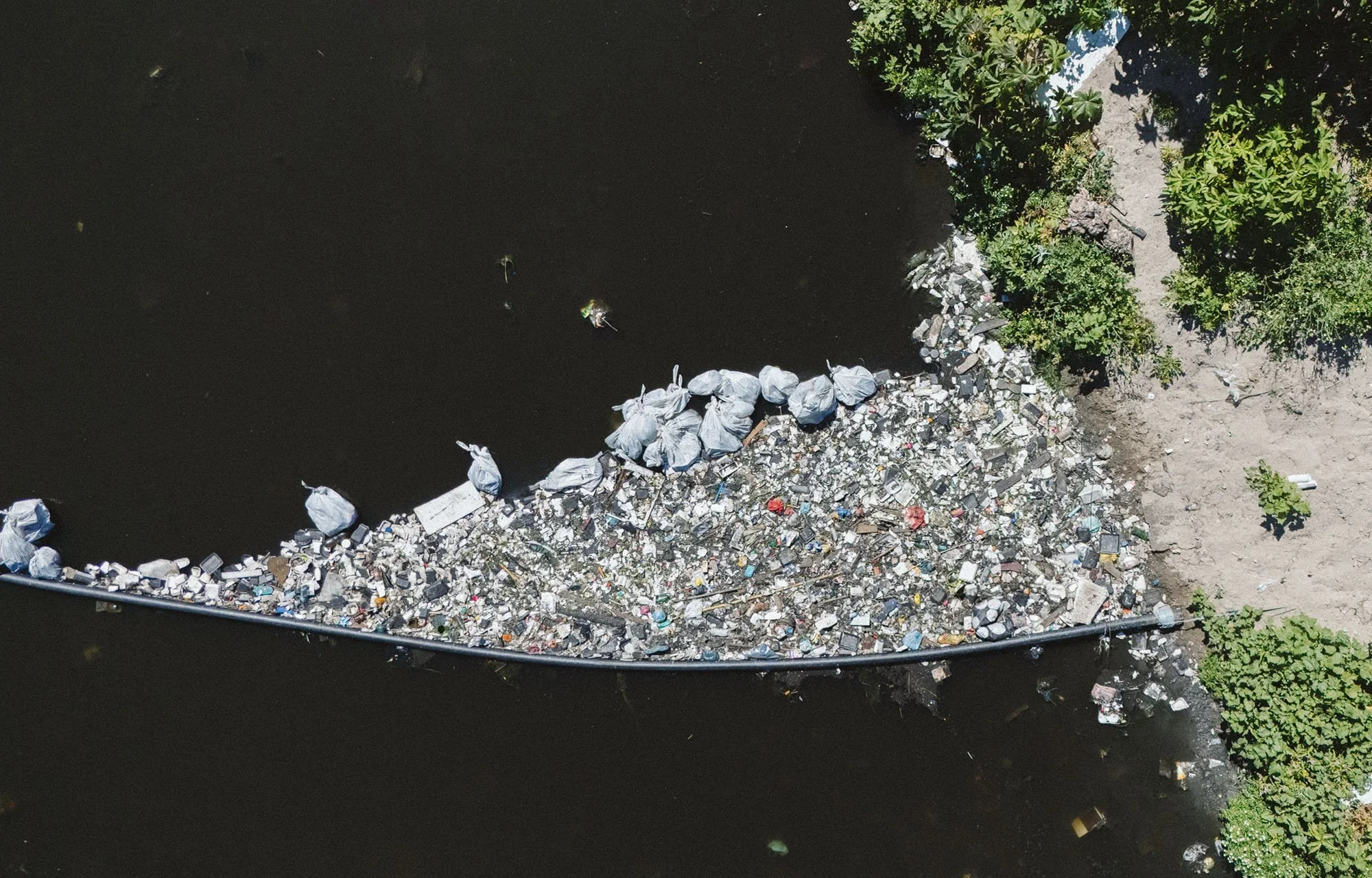
Mixed plastic waste captured by Parley South Africa’s Litterboom Project on the Black River in Cape Town.
It’s currently very difficult to handle contaminated river waste like this, with much needing to be sent to landfill.
Do you think the process would work in saltwater environments like oceans?
Yes, it works in saltwater too. The system operates in aqueous solutions, so it can function in both freshwater and marine environments. We have tested it on polyethylene (used in plastic bags), polypropylene (food containers), PET (drink bottles) and even PVC (pipes and packaging).
If acetic acid is produced, could it harm ecosystems if not captured?
The acetic acid should be collected. It has commercial value and can be used in textiles, coatings, adhesives and even pharmaceuticals. So it’s both environmentally and economically beneficial to capture it.
Your research covers a fascinating array of different areas – from solar fuels to battery technology to robotics. Are you working on other environmental projects currently?
Yes, another major area is carbon dioxide conversion. We’re developing “artificial leaves” that convert CO2 into useful products like ethanol and ethylene. We’ve published several papers and filed patents in this field.
Are you optimistic about solving environmental challenges?
I’m very optimistic. Progress depends on collaboration: communities, governments, investors and technology innovators all working together to address these urgent issues. I enjoy outdoor activities and care deeply about the environment. These challenges are significant for the planet, especially with goals like here in Canada with our net-zero target for 2050. As a technology innovator, I feel a responsibility to contribute.
For a deeper dive on the process itself, check out this article by Dr. Wu.
READ MORE