In Conversation: Alexandra Ágoston & Cyrill Gutsch (PREVIEW)
In this excerpt from Rika Studios paper, model and parley ambassador Alexandra Ágoston talks with friend and Parley founder cyrill gutsch about ocean conservation, future materials and making a difference in new york city
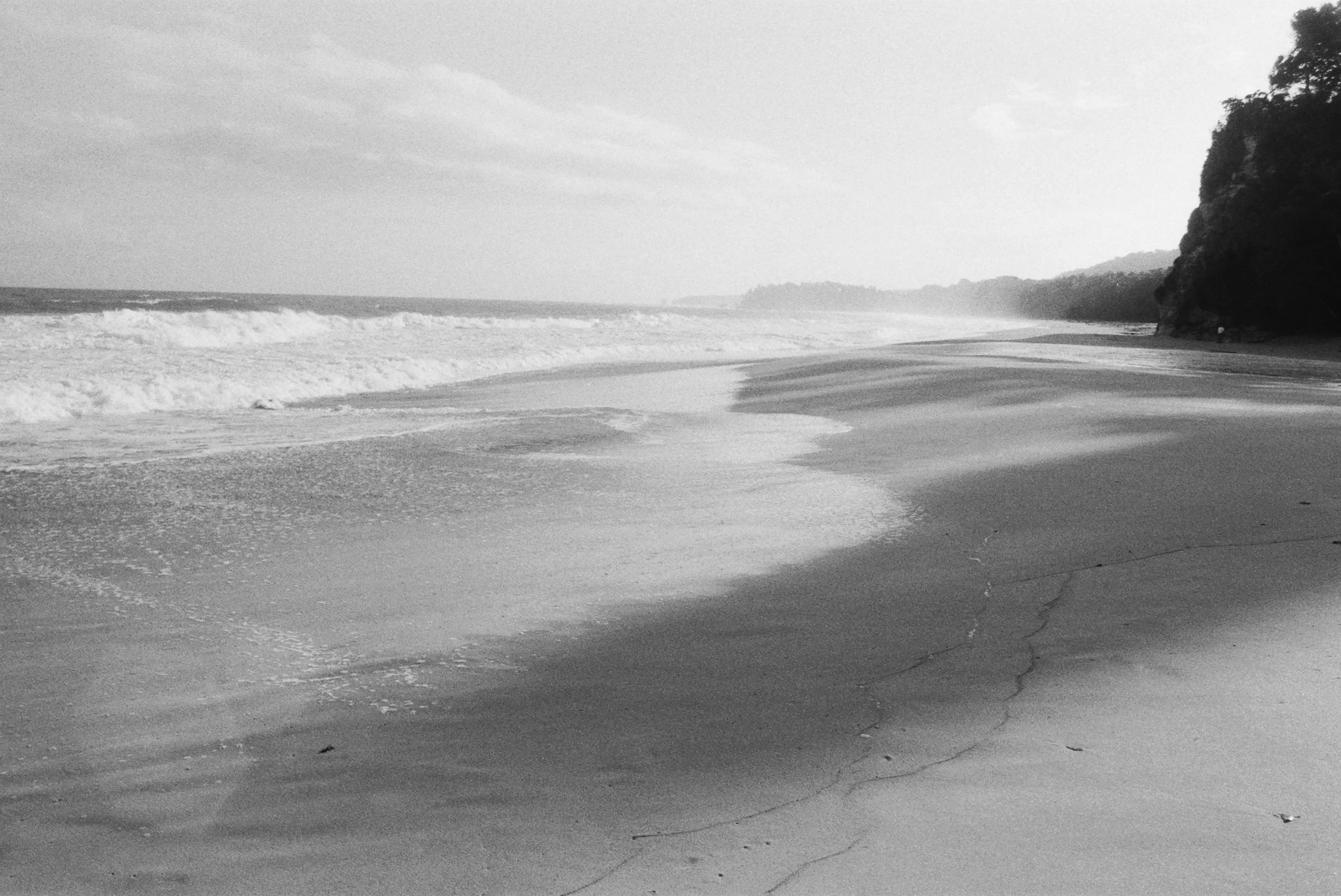
Photo by Alexandra Ágoston
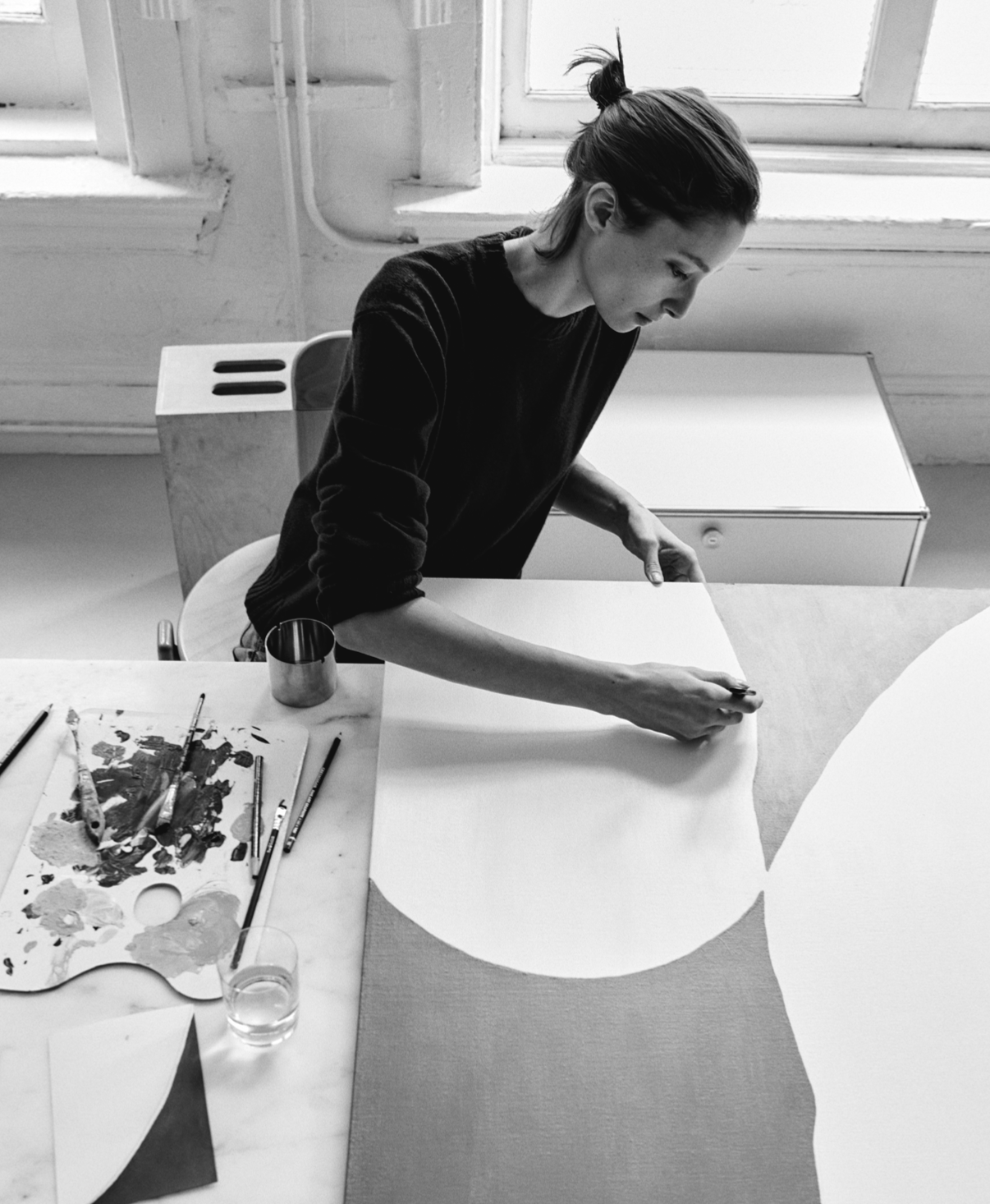
Photo by Chris Colls
Model, artist, environmental advocate and Parley Ambassador Alexandra Ágoston was born in Australia but now lives in New York, a stone’s throw from our SoHo office. A muse to Jean Paul Gaultier, Dior by John Galliano and Comme des Garçons, she has graced the covers of Vogue, Numéro and Harper’s Bazaar – and now features in the latest edition of Rika Studios Paper.
In the printed magazine, she tells studio founder Ulrika Lundgren that “I grew up on the coast. The wild beaches were a part of my life, and a part of who I am. All the natural elements are strong and powerful in Australia: the sun, the ocean, the wildlife. It’s very humbling. As a child, you are taught that nature is the greater force, and that to live with it you need to learn its ways and respect it. I think having a deep connection to nature is essential in trying to protect it.”
Following a lifetime of love for nature and a cover shoot on the Great Barrier Reef for a Harper’s Australia issue dedicated to ocean conservation, Alexandra reached out to Parley to join forces – explaining she’s “excited to be a small part of the greater purpose of respecting and protecting our Earth.”
As part of her guest editor role for Rika, she caught up with Parley founder Cyrill Gutsch to talk all things ocean, future materials and making a difference in New York City.
Q&A
ALEXANDRA ÁGOSTON: The ocean is the lifeblood of our existence, creating and sustaining life. How much do we really know about the deep dark ocean, and what is your favorite ocean fact?
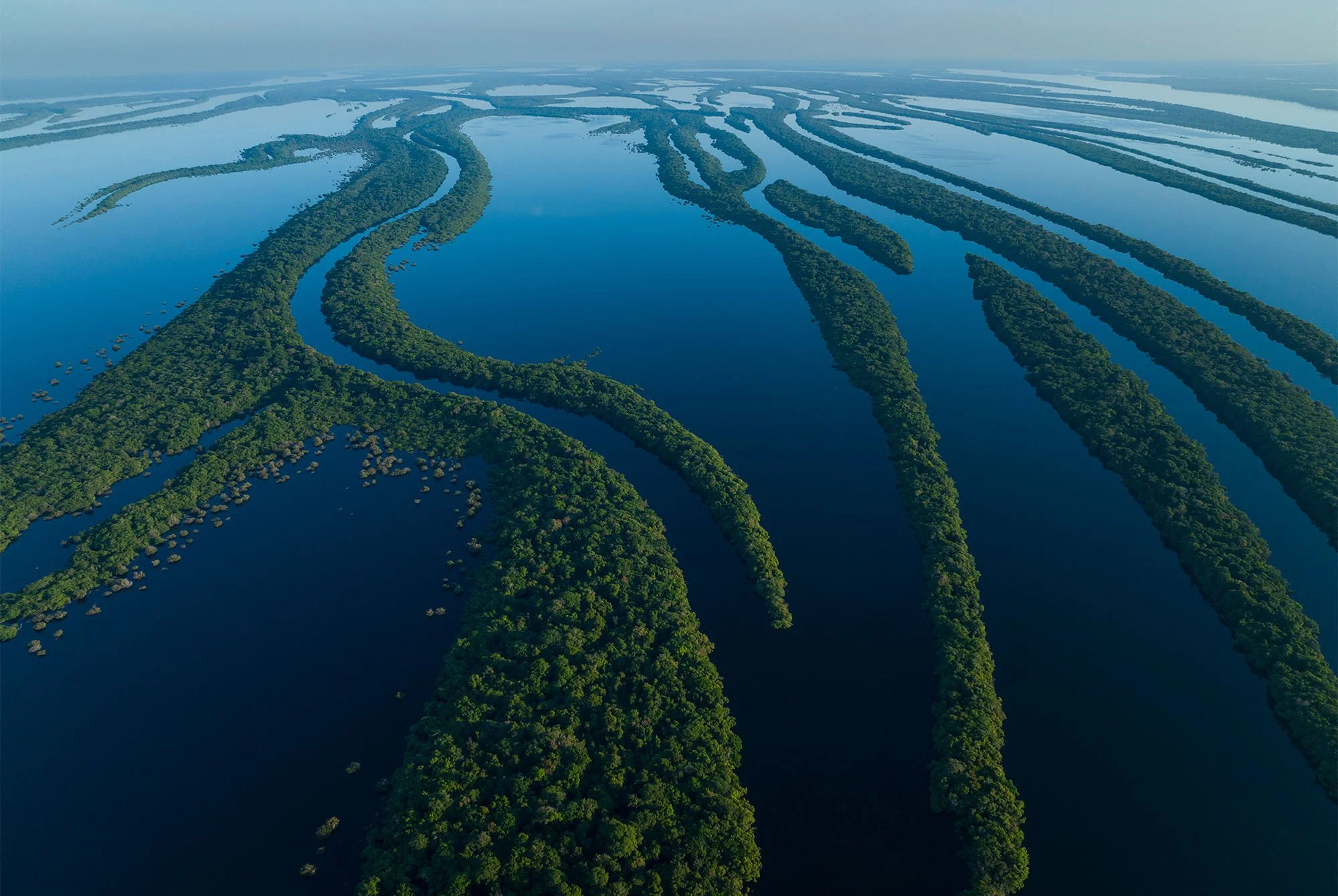
CYRILL GUTSCH: The uncomfortable truth is that we know more about the surface of the moon than about our own ocean. And that should worry us, because the ocean is not a backdrop, it’s our operating system. Every second breath we take comes from marine life. Without the ocean, there is no us.
What fascinates me most is that the ocean is still full of discoveries that completely change how we understand life itself, like the recent findings around so-called “dark oxygen” generated in the deep sea. It reminds us that nature is infinitely more intelligent than our industrial systems.
But maybe the most powerful fact is this: the ocean wants to heal. If we simply stopped the pressure – overfishing, pollution, extraction – it would begin to regenerate. The ocean is resilient, but not invincible. We are not witnessing its death; we are witnessing a stress test. And we are failing it. This is not just about saving the ocean. It’s about ending our war against it.

AA: We’re neighbours in New York, both living in SoHo, in such a fast-paced city. What are some small, daily acts we can practise to respect and protect the ocean?
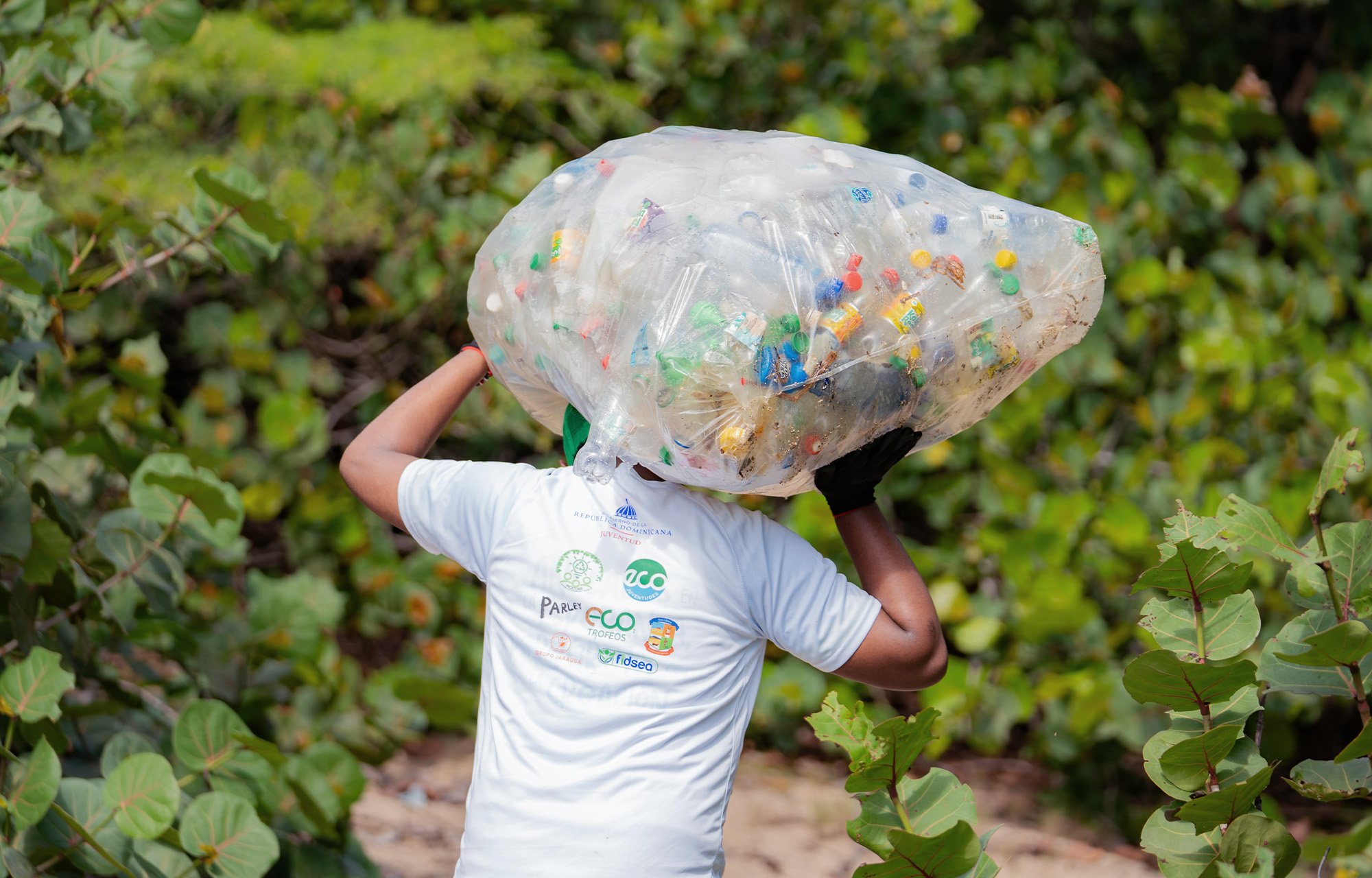
CG: We live at one of the world’s epicenters for consumption and culture, a place where ideas, products, and behaviors scale fast. What happens here rarely stays here. That gives us influence, but it also gives us responsibility. We need to understand that there is no “away.” Every plastic cup, every synthetic fiber, every toxic material continues its journey and most of those journeys end in the ocean.
On a daily level, it starts with material awareness. Ask what things are made of. Choose fewer things, but choose better ones. Support systems that are actively replacing harmful materials, not just compensating for damage. And slow the cycle down… speed is the silent driver of destruction.
But this isn’t about personal perfection. It’s about leverage. Daily actions only matter when they turn into pressure. Use your voice. Demand better materials, better design, better infrastructure. Individual choices alone won’t change the system, but collective signals will. Industries respond to momentum. The task is to create enough of it that change becomes inevitable.
“As a child, you are taught that nature is the greater force, and that to live with it you need to learn its ways and respect it. I think having a deep connection to nature is essential in trying to protect it.”
Alexandra Ágoston
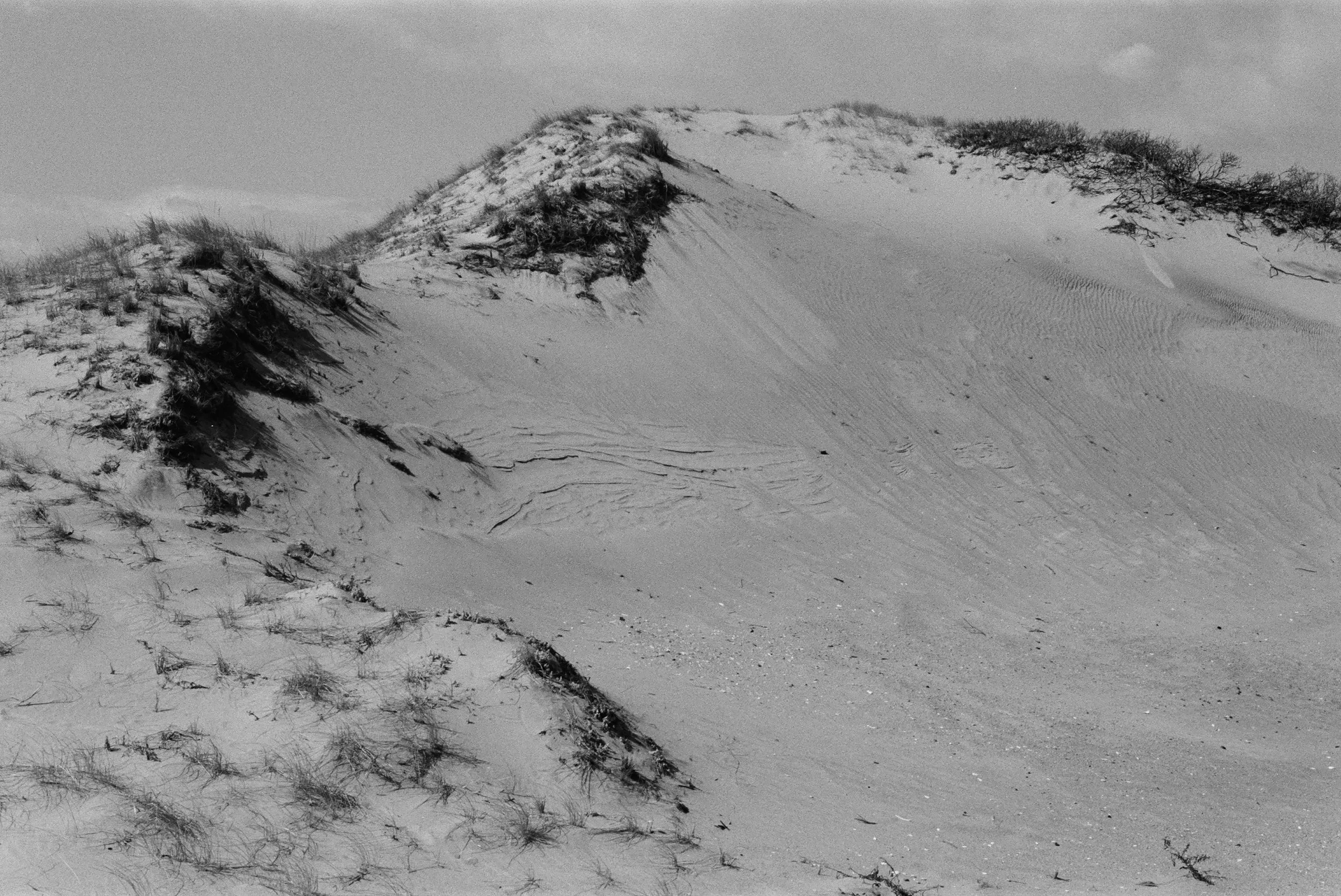
Photo by Alexandra Ágoston
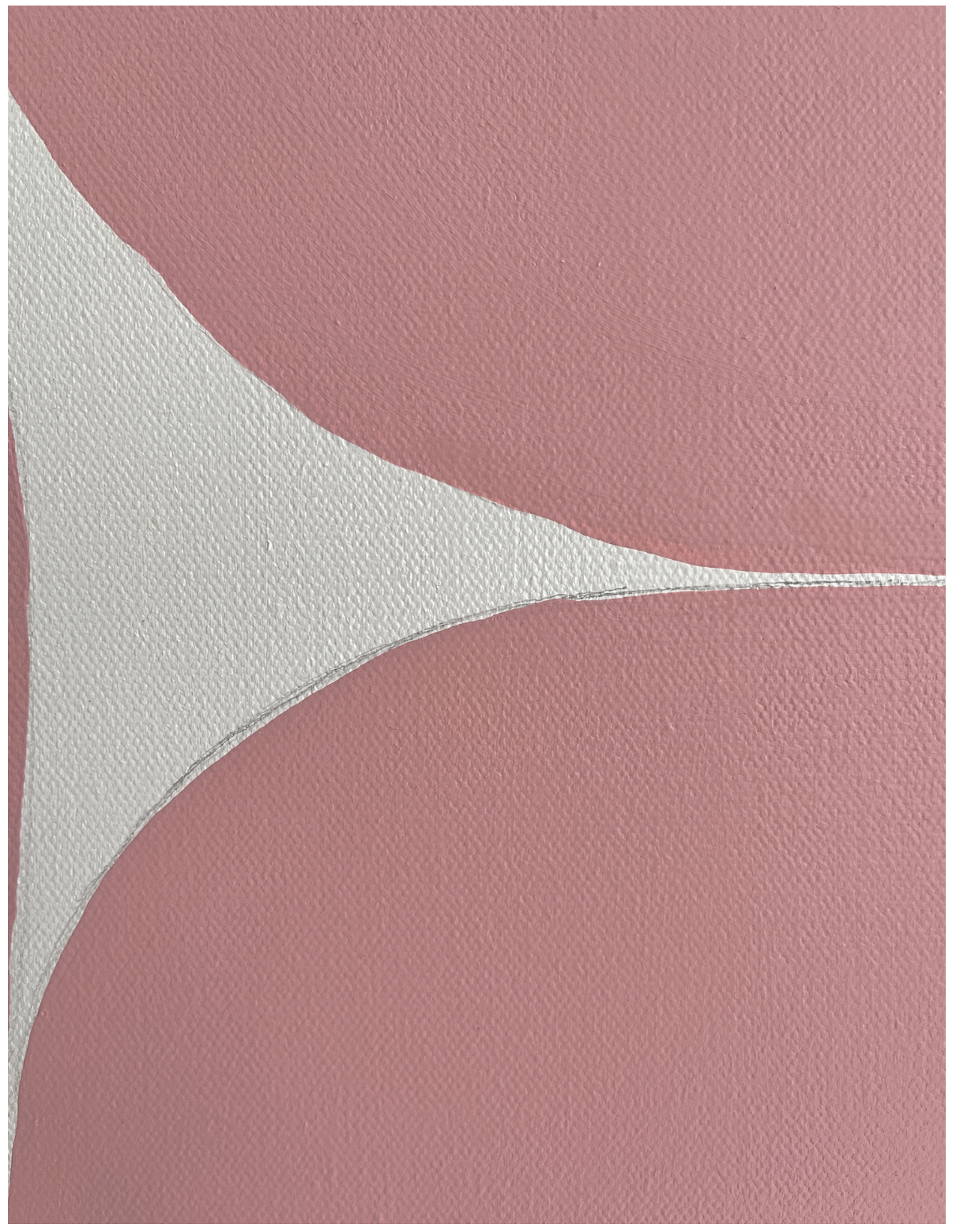
Acyrilic on canvas, 2019, by Alexandra Ágoston
AA: And on a global scale, how can we restore the delicate balance between humanity and nature, and what changes do we need to activate?
CG: We need to fundamentally redesign the way our civilization is built. Our current system is based on extraction, toxicity, and short-term profit. Nature is treated like a free warehouse and an infinite dumping ground. That model is over. This is why we talk about a Material Revolution. Materials are the beginning of everything. They define supply chains, labor, waste, emissions, and ultimately our relationship with the planet. Recycling helps us buy time, but it’s not the solution.
With Parley Future Material, we are working on the next chapter: materials that are designed to exist in harmony with nature. Bio-based, non-toxic, regenerative materials that can return safely to the Earth, like a leaf falling from a tree.
Our role is to be a test pilot. We take the risk out of innovation by prototyping these materials in real products, real industries, real collaborations, especially in fashion, where speed and influence are powerful. Once a material works at scale, the system can change. That’s how revolutions actually happen. Quietly at first, then all at once.
“Our role is to be a test pilot. We take the risk out of innovation by prototyping these materials in real products, real industries, real collaborations – especially in fashion, where speed and influence are powerful.”
Cyrill Gutsch — Founder of Parley

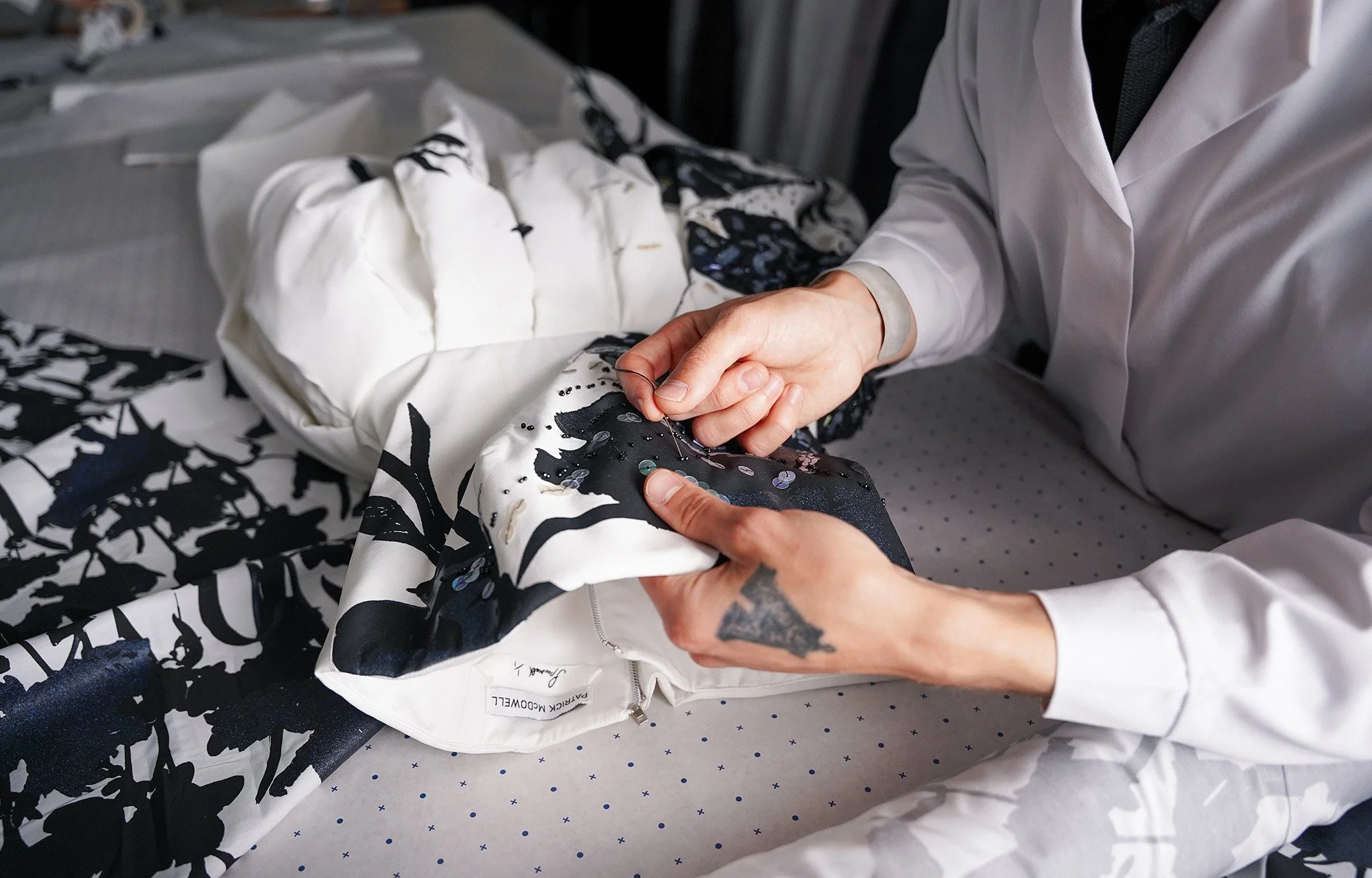
NUVI are crafting fabrics and materials from marble, chalk and even flowers
AA: The last time we met we spoke about the essential connection between creativity and environmental preservation, how do these two worlds align so powerfully together?
CG: Because creativity moves faster than destruction. Science gives us facts. Policy gives us frameworks. But creativity gives us momentum. And without momentum, nothing actually changes. People don’t fall in love with data or regulations, they fall in love with ideas, with beauty, with a vision of a future they want to be part of.
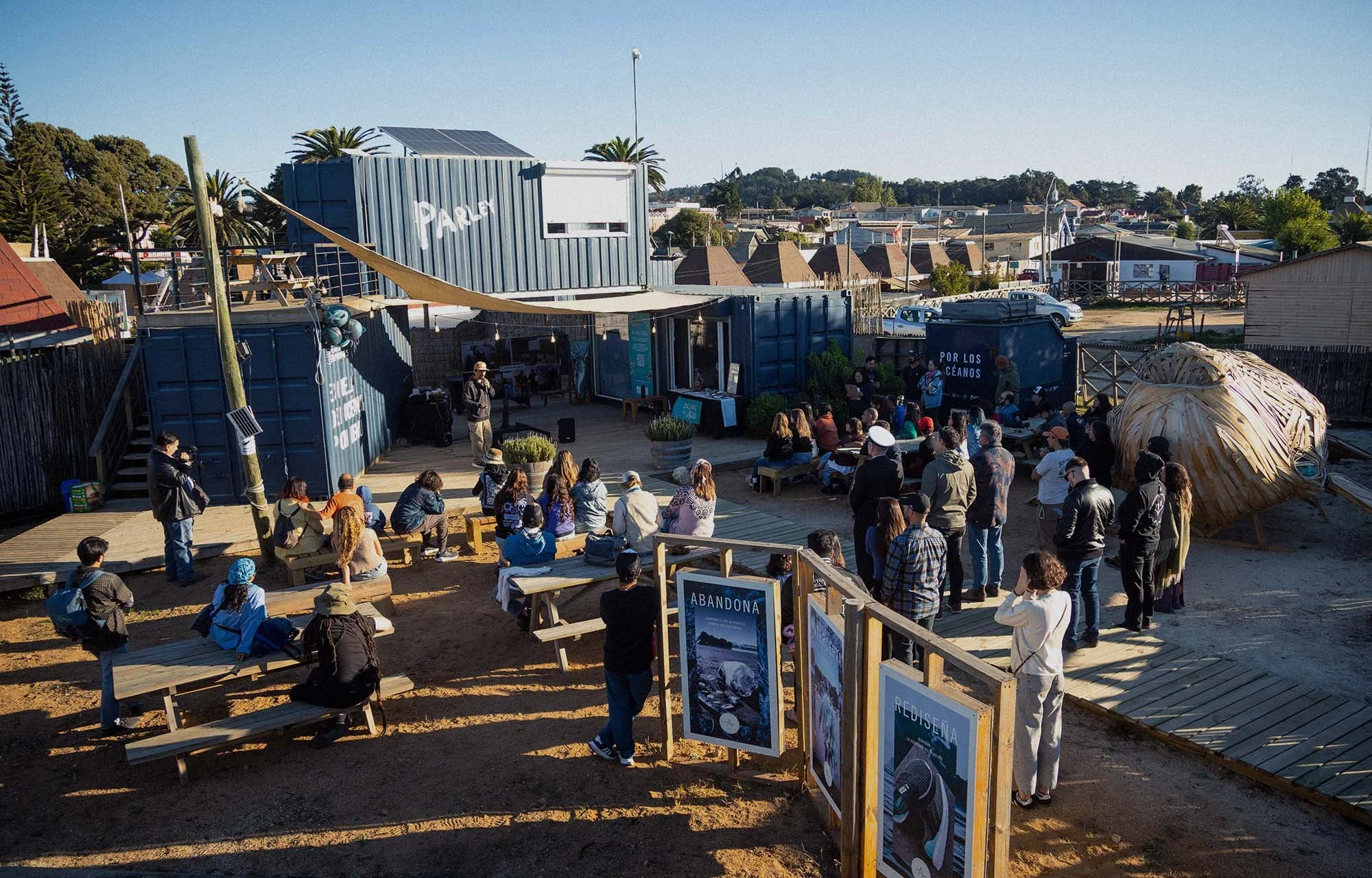
At Parley, creativity is our intervention tool. We used it to turn marine plastic from a symbol of failure into a symbol of possibility, transforming waste into something desirable, something people were proud to wear. That wasn’t a material innovation alone; it was a cultural shift.
With Parley Future Material, creativity goes even deeper. It becomes a translator between biology, technology, and culture helping complex material science cross the gap into everyday life. Designers, artists, and innovators don’t just make eco innovation visible, they also make it aspirational. Creativity is what is pulling innovation forward.
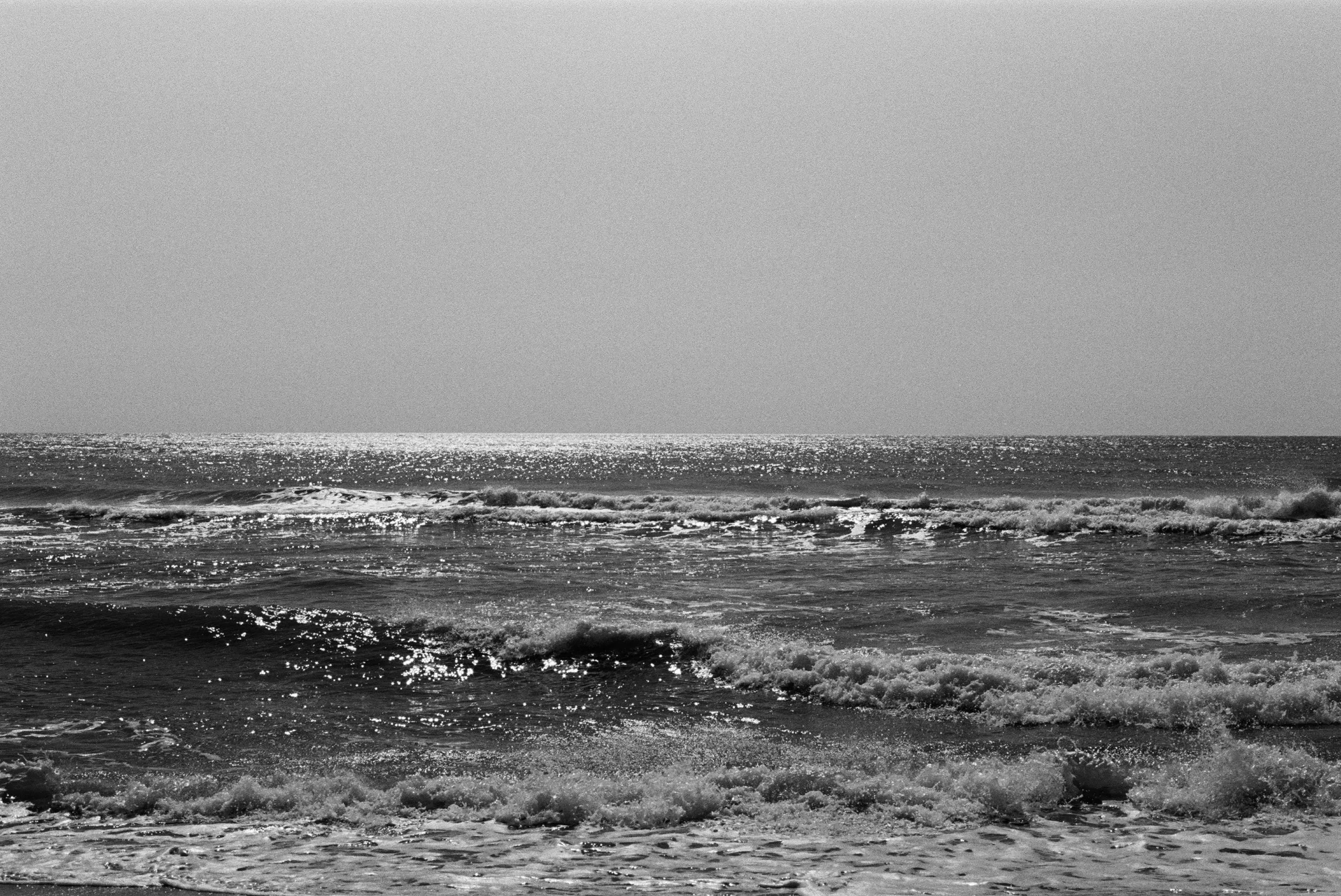
Photo by Alexandra Ágoston
AA: What is Parley’s statement for the future?
CG: Our statement is simple: we are here to negotiate a peace treaty between humankind and nature. The age of plastic is up. The time of fossil fuels is over. We are starting a Material Revolution to redesign our world, and end the destruction of the oceans. The future is not about “doing less bad.” It’s about being good by design. Materials that heal instead of harm. Systems that regenerate instead of extract. We are here to make the Earth’s survival the ultimate luxury.
AA: Thank you Cyrill! I’m so inspired by you and the great work of Parley. The power, the beauty, and the fragility of our oceans and our capability to create a world where it thrives.

This interview originally appeared in Rika Studios Paper Edition No. 12, created by Rika Studios and curated by Alexandra Ágoston. The full, printed paper is available for purchase here. Our thanks to Alexandra and Ulrika for kind permission to rework and reprint the piece, and for sharing the photography and artwork featured.
READ MORE